
Last updated November 25, 2026
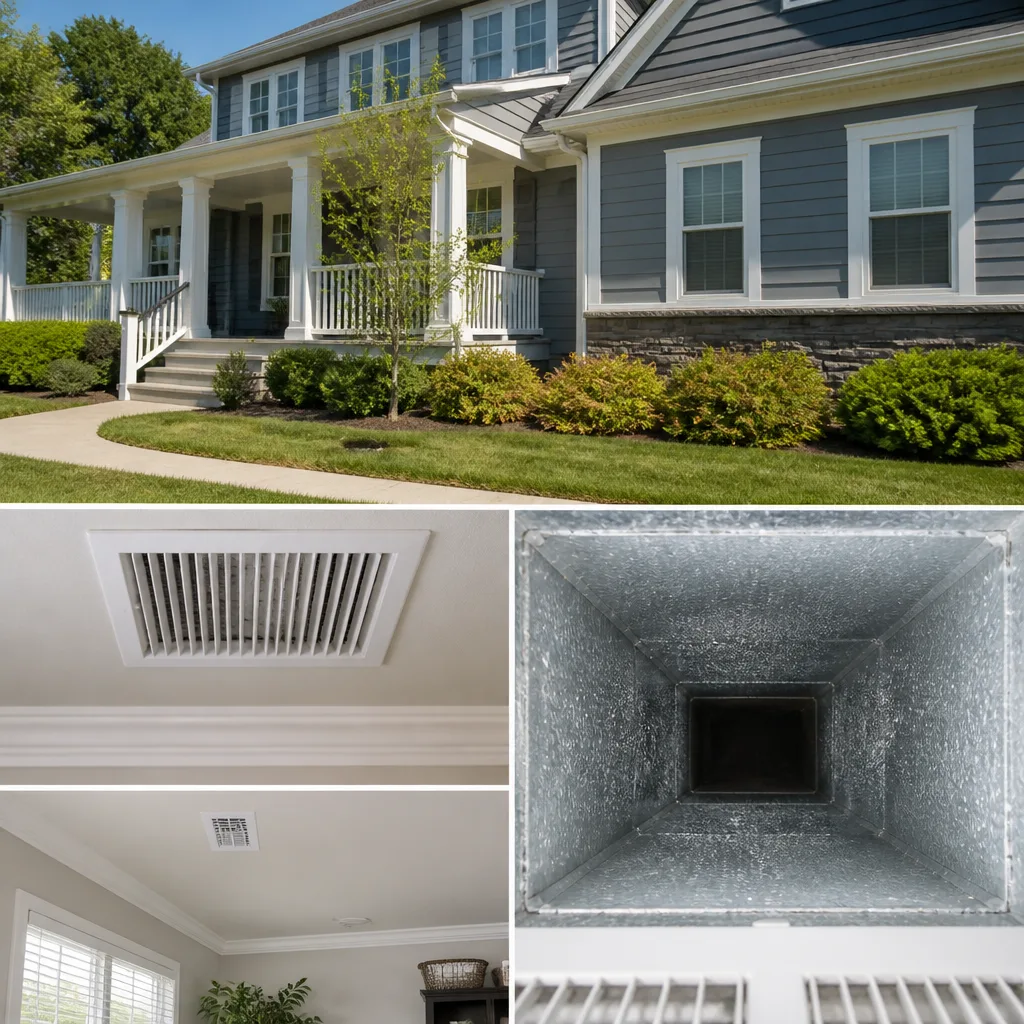 Whole-home duct cleaning
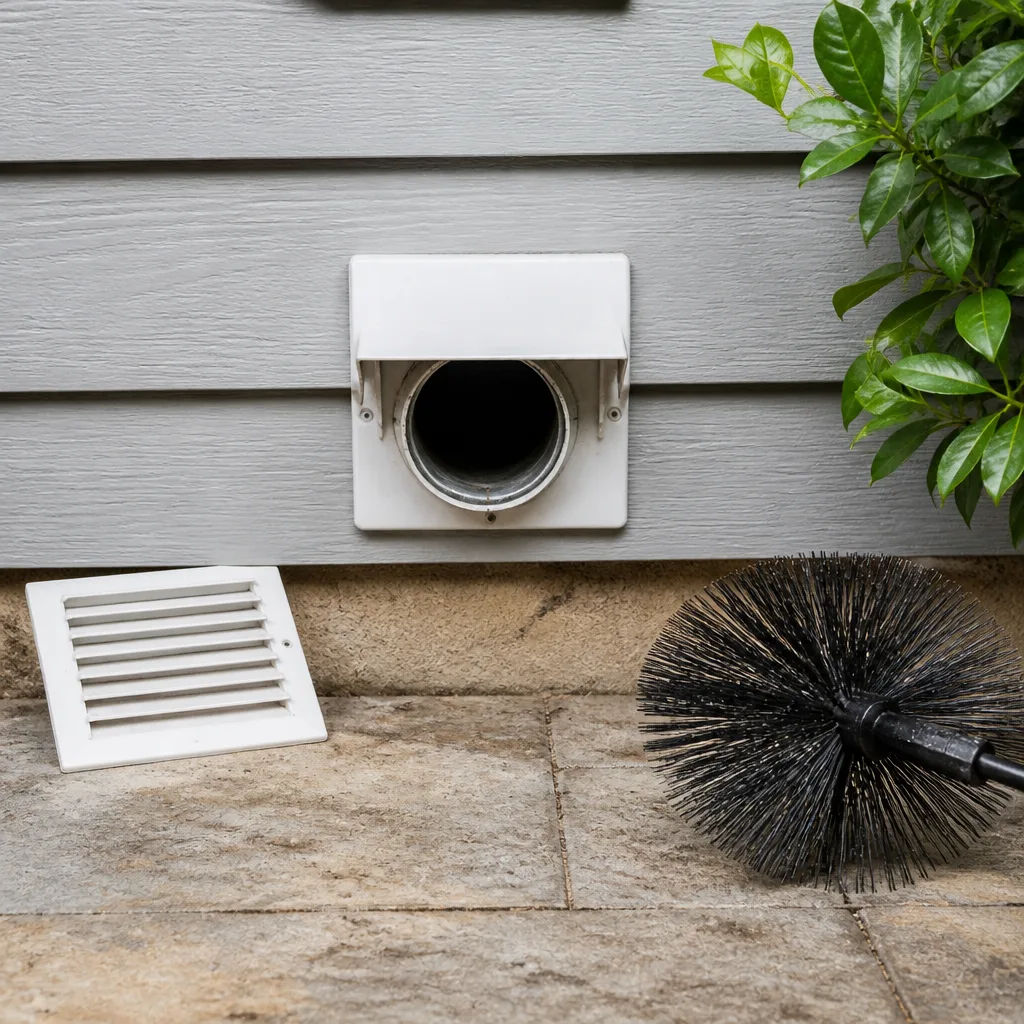 Dryer vent cleaning
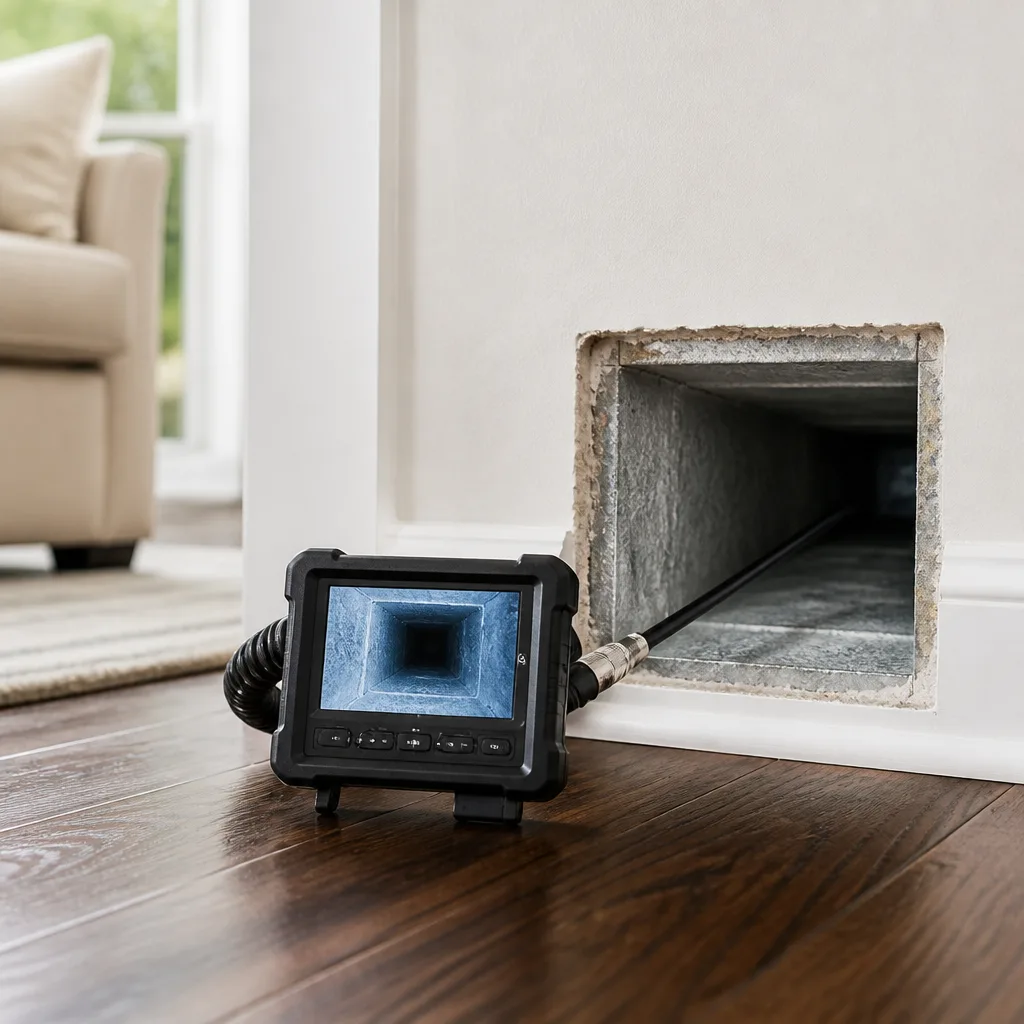 Camera inspection
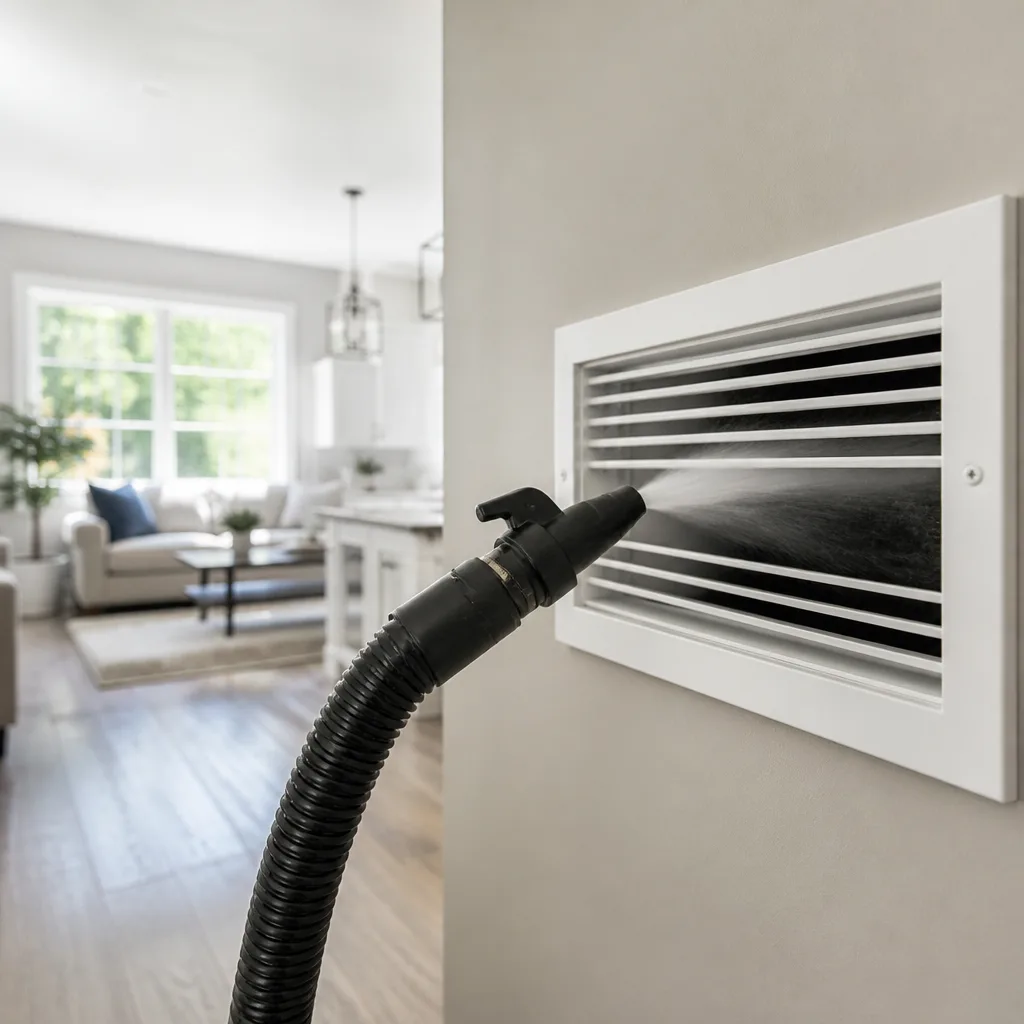 Sanitizing & deodorizing
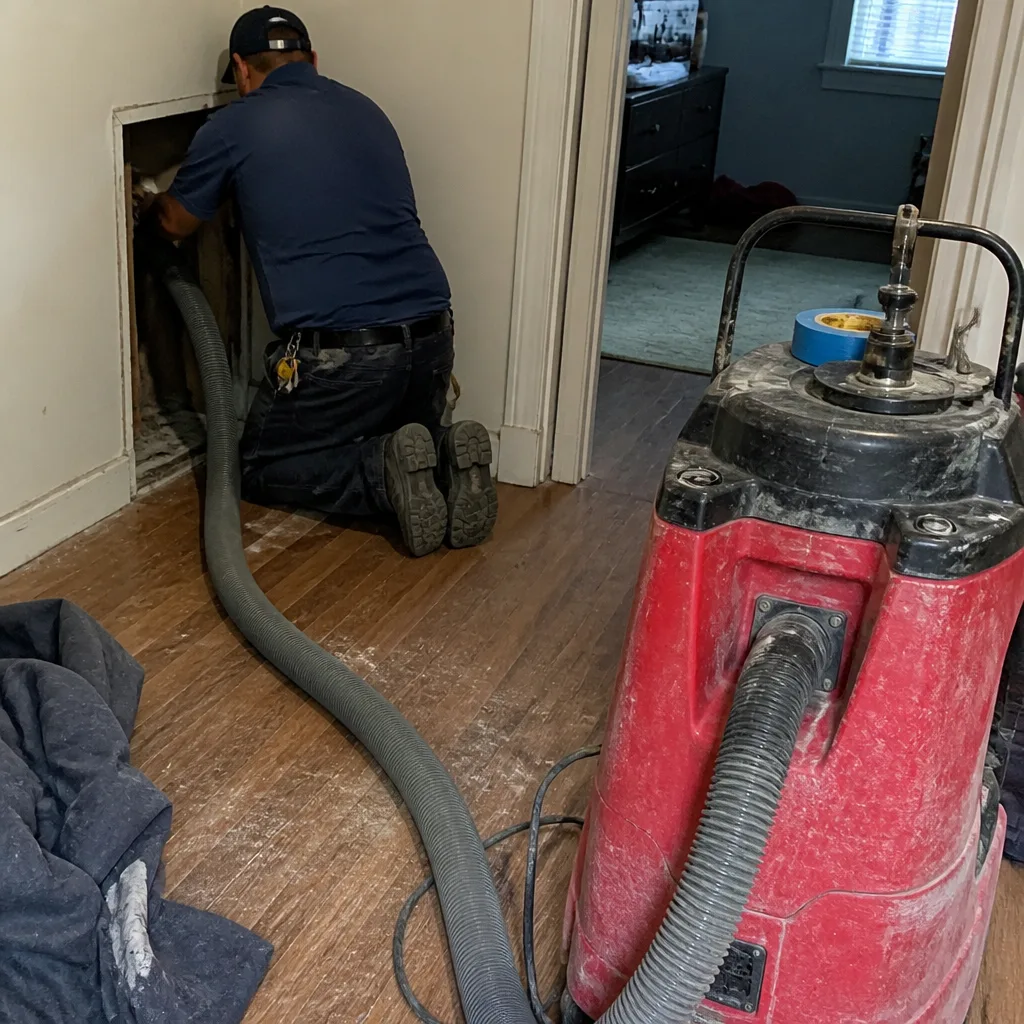
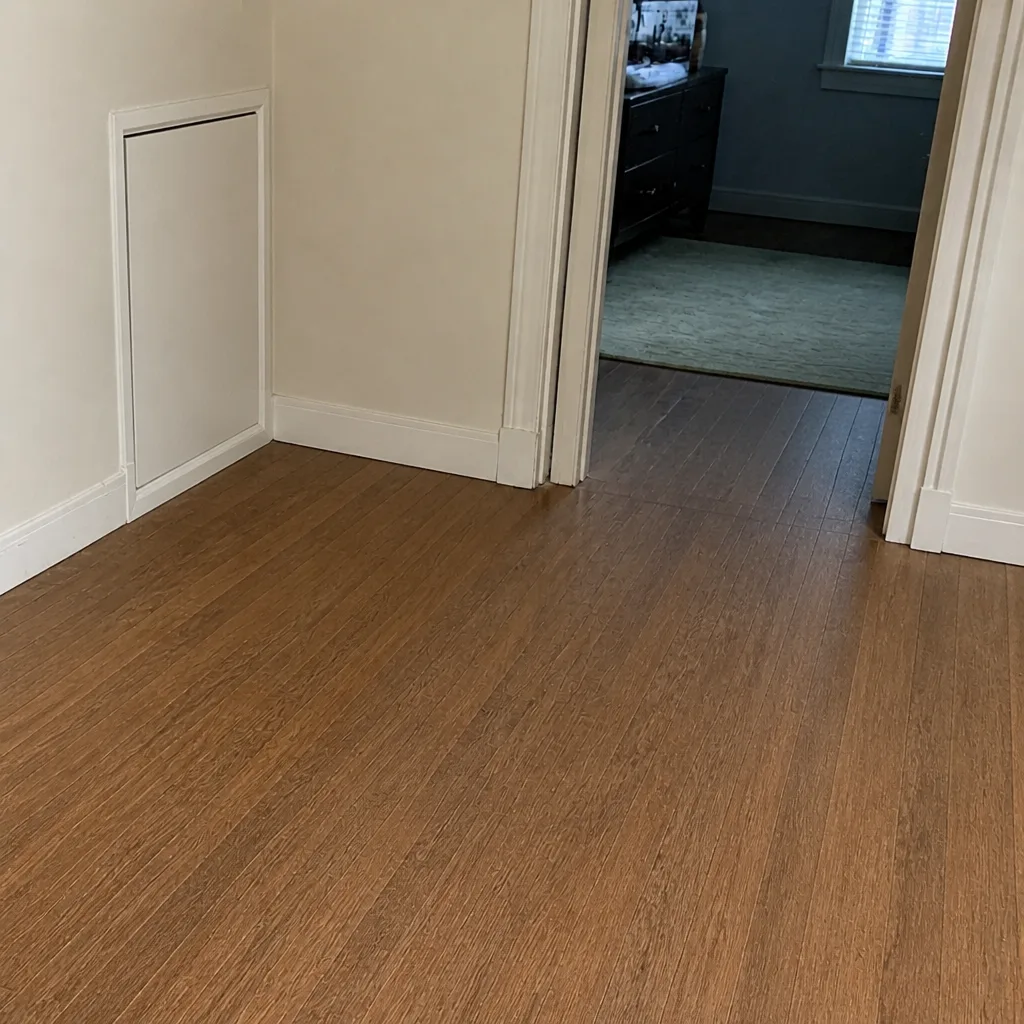
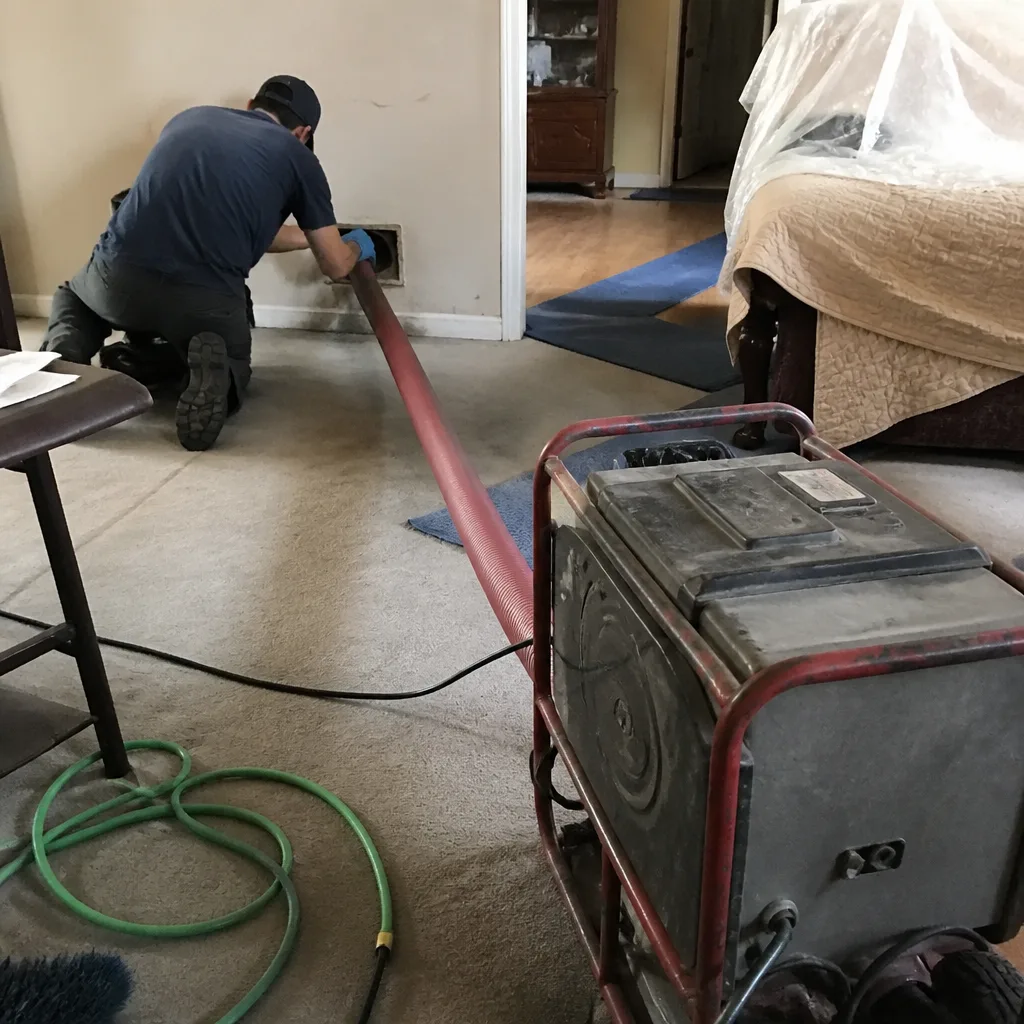
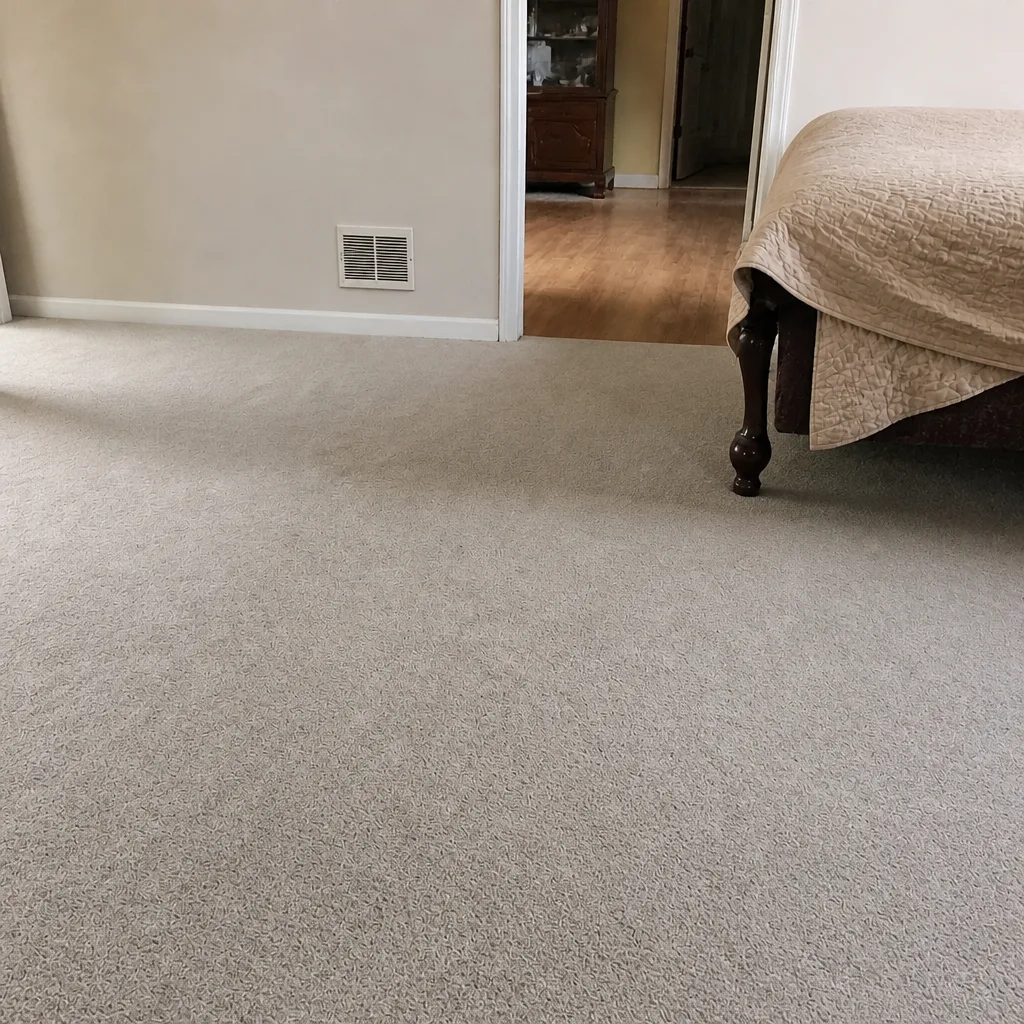
Whole-system duct and dryer vent check with before-and-after photos - you see exactly what came out of your vents
That "$99 whole-house special" is a bait ad - the real number appears once they are in your hallway, or the "clean" is a shop-vac at the register. We photograph the inside of your ducts before and after instead.
DIY vs Professional Air Duct Cleaning: The St. George Homeowner’s Decision Guide
A shop-vac at a register is the duct cleaning equivalent of washing your car by wiping the door handles. You’ve made contact with the surface, but nothing underneath has changed. This is the part most DIY videos skip: the debris that matters isn’t sitting where your vacuum can reach. It’s coating the trunk lines, settled on the interior walls of long runs, and packed into the plenum where the air handler pushes it back into your rooms every cycle. Consumer equipment can’t pull it loose, and it can’t capture it once it does. In this guide we’ll show you the physics behind that gap, the maintenance tasks that genuinely help a St. George home, the situations where DIY becomes a real risk, and how to decide which path fits your system.
Styles & brands we work with
- Whole-home duct cleaning
- Dryer vent cleaning
- Camera inspection
- Sanitizing & deodorizing
Quick Answer
DIY methods clean what you can see at the registers; professional cleaning removes debris from the system interior using equipment that generates far more static pressure and airflow than any consumer vacuum. For St. George homes with visible dust, post-renovation debris, or confirmed contamination, professional source-removal cleaning is the only method that reaches the trunk lines. For routine upkeep between professional visits, a few DIY habits genuinely help.
Table of Contents
- Why the DIY vs Professional Question Is Really About Physics
- The Numbers: CFM and Static Pressure Requirements
- What DIY Maintenance Actually Helps (And How to Do It Right)
- When DIY Duct Access Goes Wrong in Older St. George Homes
- The ‘Cleaning Theater’ Problem in DIY Videos
- A Decision Matrix: When Professional Cleaning Is Non-Negotiable
- Questions to Ask Before You Choose a Method
- Common Mistakes to Avoid
- When to Call a Professional
- Frequently Asked Questions
- The Bottom Line
Why the DIY vs Professional Question Is Really About Physics
The instinct to handle duct cleaning yourself makes sense. It looks like vacuuming, and you already own a vacuum. But the work isn’t about scrubbing a surface you can reach. It’s about creating enough negative pressure inside a sealed system to lift settled particulate from the duct walls, suspend it in the airstream, and capture it before it settles somewhere else. That requires containment plus airflow, working together.
When a technician cleans ducts professionally, two things happen at once. A high-volume vacuum pulls the system into negative pressure so loose material travels toward the capture point, and a contact-cleaning tool – like the air-driven whips and brushes in a Rotobrush system – physically agitates the duct walls so the material releases. Without the agitation, heavy material stays stuck. Without the negative pressure, agitation just throws dust into the room.
Consumer vacuums do neither of these things at scale. A shop-vac pressed against a register gets some airflow at the register grille, maybe a foot into the branch line. The trunk lines and plenum – the big rectangular channels that move air across the whole house – might as well be a different building. In our experience across St. George homes, that’s exactly where the heaviest accumulation lives, because it’s where airflow drops and particulate falls out of suspension.
- What DIY addresses: surface dust at the register, loose material within a foot or two of the grille, visible lint on the closest branch fitting.
- What DIY leaves untouched: the trunk lines, the plenum, the interior walls of every branch, and the evaporator coil area where microbial growth tends to start.
- Why that’s the whole point: the material that circulates into your living space is the material sitting in those untouched sections, not the register you already wipe down.
The Numbers: CFM and Static Pressure Requirements
Source-removal duct cleaning requires roughly 2,000 to 5,000 CFM (cubic feet per minute) of capture airflow with enough static pressure to keep the entire system in negative pressure during cleaning. Consumer-rated HEPA shop-vacs typically peak around 100 to 200 CFM with much lower static pressure. That’s a difference of more than an order of magnitude, and it’s not a difference you can close with a longer hose or a fancier nozzle.
Static pressure is the resistance airflow must overcome to move through a duct. A consumer vacuum fighting a 20-foot branch line and a trunk loaded with debris runs out of pressure long before the trunk beyond the branch. Professional rigs – Nikro HEPA vacuums paired with contact-cleaning tools – are built for exactly this resistance and can run the whole cleaning under sustained negative pressure without losing the seal.
| Equipment Class | Typical Airflow | What It Reaches |
|---|---|---|
| Household canister vacuum | Roughly 50-100 CFM | Register surfaces and a few inches of branch |
| Consumer HEPA shop-vac (5-15 gal) | Roughly 100-200 CFM | One branch line, limited depth |
| Professional source-removal system | Roughly 2,000-5,000 CFM in the sealed system | Full branch, trunk lines, plenum, coil area |
That’s why a technician with the right equipment can tell you what came out. A consumer setup can show you what came off the front of the register. The two are different jobs that share vocabulary. Our team uses Rotobrush contact-cleaning systems and Nikro HEPA technology because the physics of the work demands that class of equipment – not because it looks better on a truck.
What DIY Maintenance Actually Helps (And How to Do It Right)
DIY maintenance has a real place in a St. George home’s air system – it just doesn’t replace professional cleaning. These tasks genuinely reduce the dust load your system sees between cleanings.
- Clean the register grilles and return covers. Remove the screws, wash the grilles in warm soapy water, dry them fully, and reinstall. Don’t spray cleaner into the opening – you want the grille clean, not moisture in the duct.
- Upgrade your filter to the right MERV rating. A MERV 8 filter is usually a good balance for a typical system; jumping to MERV 13 on a system not designed for it restricts airflow and costs you efficiency. Check your filter monthly in dusty months and replace it when it loads up.
- Seal the gaps at the filter slot and around floor boots. A bead of foil tape over an obvious gap is cheap and effective. Larger gaps deserve a professional duct sealing visit, but small ones are fair game.
- Clear the dryer vent line – carefully. Disconnect the dryer, run a vent brush through the line, and check the exterior flapper for lint build-up. The lint trap only catches a fraction of what the dryer produces, and the rest accumulates in the vent. If the run is long, has multiple elbows, or goes through a wall with no clean access point, leave it to a pro.
- Keep return grilles unobstructed. A return blocked by a couch or a bookshelf pulls less air and pushes the system to work harder. Two inches of clearance above a return is a reasonable minimum.
None of these steps reach the system interior. They reduce what settles next. That’s an honest, useful role for DIY maintenance – and it’s a very different role than “DIY duct cleaning.”
On the professional side, dedicated dryer vent cleaning is worth treating as a safety service rather than an upsell. Your dryer vent is the one air pathway in the house with a documented fire risk attached, and clearing it properly matters in a way that clearing a register doesn’t.
When DIY Duct Access Goes Wrong in Older St. George Homes
Some duct systems punish DIY access quickly. Older areas of St. George – the older blocks off Victory Boulevard, the neighborhoods around Silver Lake, and stretches of Rosebank and Stapleton – have housing stock where a duct line isn’t just a metal tube. It’s a tube wrapped in a specific era of material, connected with tape from a specific era, and supported in ways that hold up fine until someone pulling on a shop-vac hose discovers otherwise.
Three failure modes we see:
- Asbestos-containing duct wrap. Older rigid duct systems sometimes have an exterior wrap that contains asbestos. It doesn’t become dangerous until someone disturbs it. A homeowner inserting a brush through a register opening and tearing the wrap has created a problem that requires a licensed abatement specialist – not an HVAC technician. If you don’t know the age of your duct wrap, don’t cut into it.
- Brittle flex duct. Flex duct from earlier decades gets brittle with heat cycling. A vacuum nozzle dragged through an elbow can crack the inner liner, and once that liner fails, the duct sheds fibers and dust into the airstream with every cycle. What was a cleaning problem is now a duct replacement.
- Disconnected joints. A joint that was barely sealed when it was installed can pop apart under the pull of a shop-vac. Once it’s disconnected, you’re not pulling debris toward the vacuum – you’re pulling it into a wall cavity.
Professional equipment doesn’t magically make old ductwork safe – but professional technicians know how to inspect what they’re about to clean and can flag wrap concerns before they touch it. Duct repair and sealing, when it comes up, addresses the structural cause rather than the symptom. That’s a core part of the scope in St. George Air Duct Cleaning Pros, because a system that’s losing air into a crawlspace doesn’t benefit from a cleaning that ignores the leak.
The ‘Cleaning Theater’ Problem in DIY Videos
Watch a DIY duct cleaning video and you’ll usually see the same shot: a vacuum nozzle shoved into a register, a plume of dust bursting back into the room, and a proud homeowner looking at the camera as if the job is done. What that plume actually proves is that the air is moving. It doesn’t prove anything about what moved, or where it went.
That dust cloud is entirely compatible with two very different outcomes. In one, the dust was pulled from near the register into a sealed vacuum and captured. In the other, the dust was disturbed, pushed sideways into an adjacent branch line, redistributed through the return, and blown back into the room for the next few days while the actual accumulation deeper in the system stayed put. Because the homeowner has no way to inspect the interior of the trunk line, both outcomes look identical on camera.
Professional cleaning sidesteps this with before-and-after documentation. A technician opens the system at the plenum and takes photos of the interior before cleaning, again after. When the work is done properly, those photos look dramatically different. When it isn’t, they don’t – and you know before the invoice is signed, not after.
The other thing professional cleaning does is run the whole system under negative pressure with HEPA capture. Debris can’t escape into the room, because there’s nowhere for it to go except the vacuum. That single design difference is why source-removal cleaning works and why “shop-vac into a register” is closer to stirring than to cleaning.
A Decision Matrix: When Professional Cleaning Is Non-Negotiable
Not every St. George home needs a professional cleaning right now. But some situations aren’t optional. Here’s how we think about it.
| Situation | Recommendation |
|---|---|
| Recent renovation or construction | Professional – drywall dust and construction debris need source removal before it coats the coil |
| Confirmed mold on duct surfaces or coil | Professional – requires sanitizing with proper equipment (Abatement Technologies air filtration is one example) |
| Rodent or vermin evidence in the system | Professional – removal plus sanitizing plus a repair assessment for openings they entered through |
| Visible dust plumes from registers every cycle | Professional – system is re-entraining debris faster than a filter can capture it |
| Older home with unknown duct wrap | Professional inspection first, cleaning second |
| Routine upkeep between cleanings | DIY is reasonable – registers, filters, filter-slot tape, dryer vent |
| Home is 3-5 years past the last professional cleaning, no symptoms | Either path is defensible; a professional inspection can tell you whether the timing is right |
The renovation case catches people off guard. Drywall dust is fine and abrasive, and it travels everywhere. A filter catches some of it, but the amount that gets past reaches the coil fins and the interior of the trunk, where it cakes into the surfaces you can’t see. Post-renovation is exactly the situation where a professional cleaning prevents a much more expensive HVAC cleaning down the road – or soiling a coil to the point of failure.
Our air duct cleaning service is built around these scenarios, because these are the ones that actually pull homeowners into the decision.
Questions to Ask Before You Choose a Method
Whatever path you pick, ask the same questions. If the answers are vague, keep looking.
- What equipment do you use? Contact-cleaning tools and HEPA vacuums from brands like Rotobrush and Nikro are a reasonable baseline. A shop-vac is a tell.
- Do you inspect the system interior before quoting? Trunk lines, plenum, and coil area – photos before and after.
- Will you show me before-and-after photos of my own ducts? Not stock photos, not a video from another job. Yours.
- Is the price per system, or per vent? Per-vent pricing is how low-ball quotes scale up. A whole-system price agreed before the work starts protects you.
- What does the written estimate include, and what could add to it? Extra charges for “hard to reach” spaces should be in the written number, not a surprise on the invoice.
- Can you identify duct repair or sealing needs if you see them? If the answer is “we only clean,” you’ll need a second vendor for the structural fix – which means the first visit didn’t solve the problem.
Straightforward answers here are a better sign than any credential. We’ve found homeowners in St. George tend to be more comfortable with a technician who can explain the equipment than one who can’t.
Common Mistakes to Avoid
- Assuming a shop-vac at a register counts as cleaning. It reaches inches into one branch and pulls nothing from the trunk lines – where most of the accumulation actually is. You’ve cleaned the front door of a house that needs the whole floor done.
- Renting a shop-vac from a home center and calling it done. A rented unit gets you more reach than a dryer hose, but not the pressure or containment to remove what’s stuck on duct walls. Agitation is missing, and agitation is the whole job.
- Opening the plenum “to see what’s in there” on an older system. In St. George housing stock that predates the 1980s, that’s the moment you find out whether your duct wrap has asbestos in it. Let a professional inspect first – disturbed wrap is far costlier than a cleaning.
- Skipping the dryer vent because the lint trap looks empty. The lint trap doesn’t catch most of what the dryer produces. Accumulation in the vent run is the leading driver of dryer fires, and it builds invisibly.
- Chasing a per-vent quote as if it’s a total. A quote that says “$69 for the first vent and $15 each additional” is bait. The number that matters is the price for the whole system agreed before anyone opens the door.
- Using a boosted MERV filter in a system built for lower restriction. A MERV 13 filter in a system spec’d for MERV 8 cuts airflow and strains the blower. The filter upgrade should match the system, not the marketing.
- Judging the work by how dramatic the dust cloud looks. A big cloud of dust proves the air is moving, not that the debris was removed. Look for before-and-after photos of your own system interior instead.
When to Call a Professional
Call a professional if any of these describe your home: you’ve finished a renovation in the last year, you have visible dust plumes from registers, someone in the house reacts to every cycle of the HVAC, you’ve found rodent evidence in the system, there’s visible mold at a register or on the coil, or your home is in an older part of St. George with ductwork you’ve never had inspected. Those are exactly the situations where DIY access creates more risk than benefit.
Call (888) 848-7351. We answer 24/7. Fast dispatch from 7am to 7pm, Sunday through Friday. St. George Air Duct Cleaning Pros offers free estimates in St. George, and the price is set per system by the written estimate before any work begins. Our technicians have up to 11 years of experience, and we work with Honeywell and Aprilaire systems when a whole-home air quality upgrade makes sense alongside the cleaning.
Frequently Asked Questions
Most residential whole-system cleanings in the St. George area fall into a mid-three-figure range, and the written estimate you receive is the price you pay. The exact number depends on the number of branches, how much accumulation is in the system, and whether a coil cleaning or a duct sealing step is part of the scope. Call (888) 848-7351 for an exact quote – the estimate is free.
Cheap quotes are usually per-vent teasers that only include a surface-level pass at each register, and the final invoice grows once the technician is on site. A real whole-system price covers the trunk lines, plenum, and coil area – not just what you can see. Ask for the per-system number in writing before work starts, and ask what’s included. Call (888) 848-7351 if you want a straight answer on the whole-system price.
Ask for before-and-after photos of your own system interior – taken at the plenum and trunk line, not stock photos. A technician with the right equipment can show you what the duct walls looked like before cleaning and what they look like after, and those two images are hard to fake. Call (888) 848-7351 to schedule a visit with documentation included.
Most homes do fine on a schedule that follows the big events – post-renovation, after moving in, or when symptoms show up – rather than a calendar. A house with pets, allergy-sensitive occupants, or ongoing construction nearby may need it more often. A professional inspection can tell you whether you’re due. Call (888) 848-7351 to book one.
No. Consumer and rental vacuums generate a small fraction of the airflow and static pressure needed to pull debris off duct walls, and they don’t have the contact-cleaning tools that agitate the duct interior to release material. They reach the register and a foot or two past it; the trunk lines and plenum stay untouched. Call (888) 848-7351 if you want the full system addressed.
Have it inspected before any cleaning attempt, professional or DIY. Older duct wrap in St. George housing stock can contain asbestos, and older flex duct becomes brittle enough that a brush or nozzle can crack the liner. A professional inspection tells you what you’re dealing with before you commit to a method. Call (888) 848-7351 to schedule one.
Yes. Alongside air duct cleaning, we handle HVAC cleaning, dryer vent cleaning, duct repair and sealing, and air quality sanitizing – so a single visit can address the whole air pathway rather than sending you to separate contractors for each piece. See St. George Air Duct Cleaning Pros for the full scope, and call (888) 848-7351 to talk through what your system needs.
The Bottom Line
DIY duct cleaning isn’t a shortcut – it’s a different job. A shop-vac at a register creates a small amount of airflow at the surface and leaves the trunk lines, plenum, and coil area untouched. Professional cleaning uses equipment in a class consumer gear can’t reach, with enough negative pressure and agitation to remove debris rather than redistribute it. DIY maintenance has a real role: register cleaning, filter upgrades, filter-slot tape, and dryer vent upkeep all genuinely reduce the load your system sees between professional visits. But post-renovation, confirmed contamination, and older-home ductwork are situations where DIY creates more risk than benefit. Our technicians have up to 11 years of experience, and we’ll tell you which category your system falls into.
Call (888) 848-7351 to schedule a free estimate in St. George. We answer 24/7. Fast dispatch from 7am to 7pm, Sunday through Friday. The price is set per system by the written estimate, and before-and-after photos of your own ducts are part of the visit.
Written by the team at St. George Air Duct Cleaning Pros.
See the difference
 Before
 After
 Before
 After
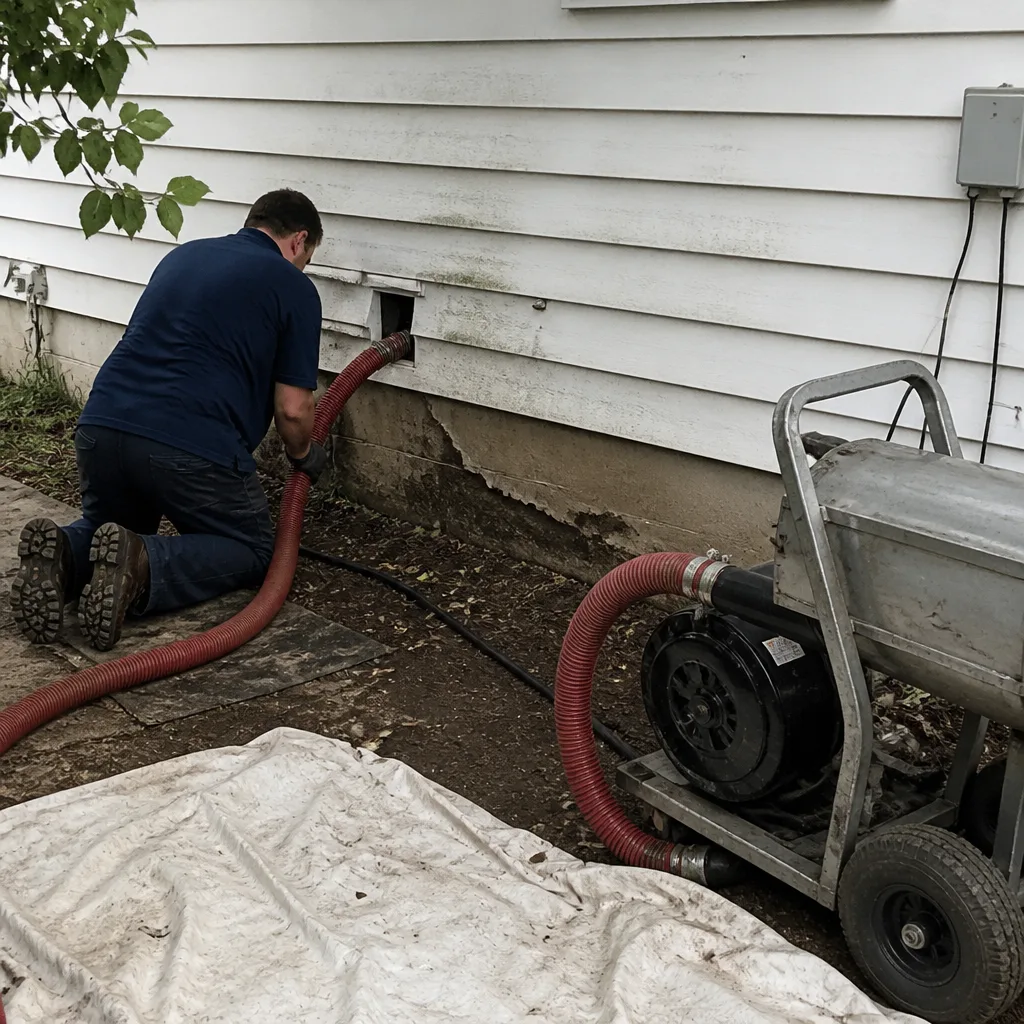 Before
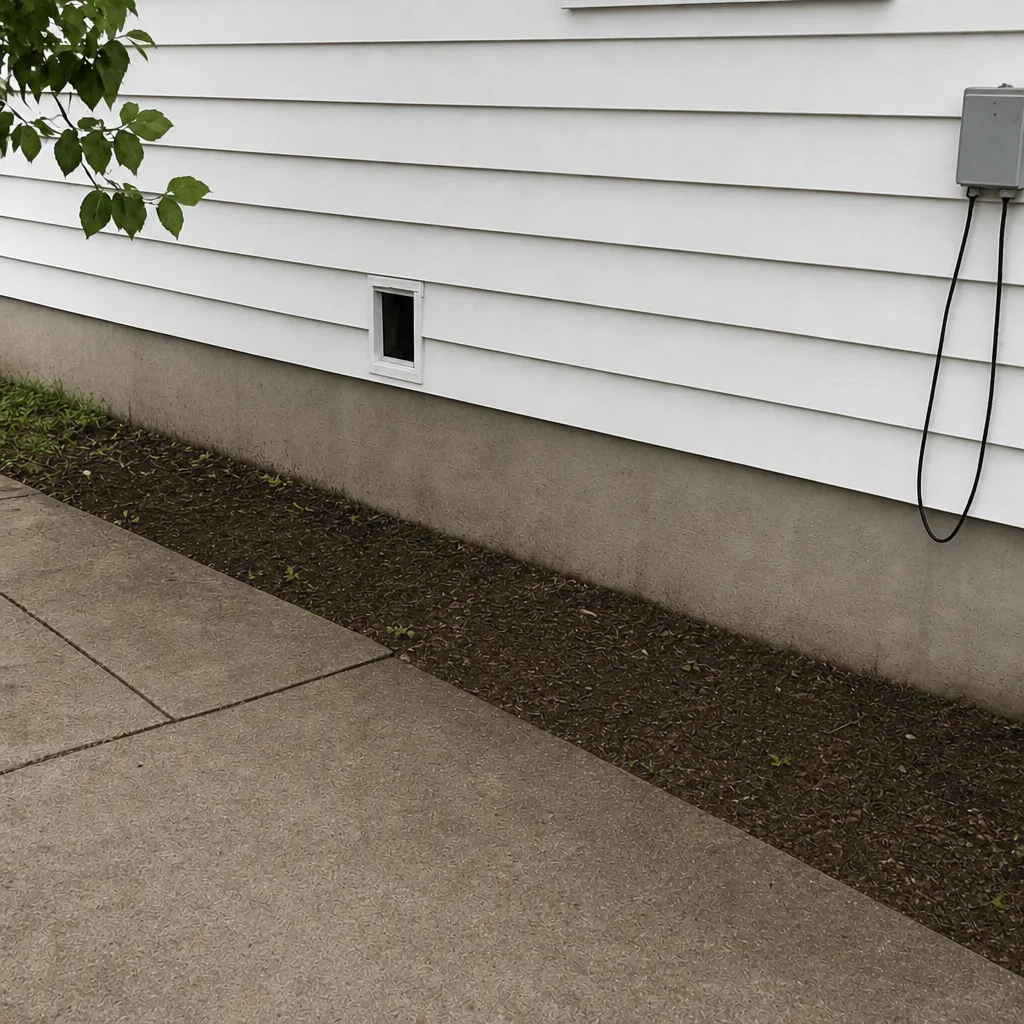 After