
Last updated November 25, 2026
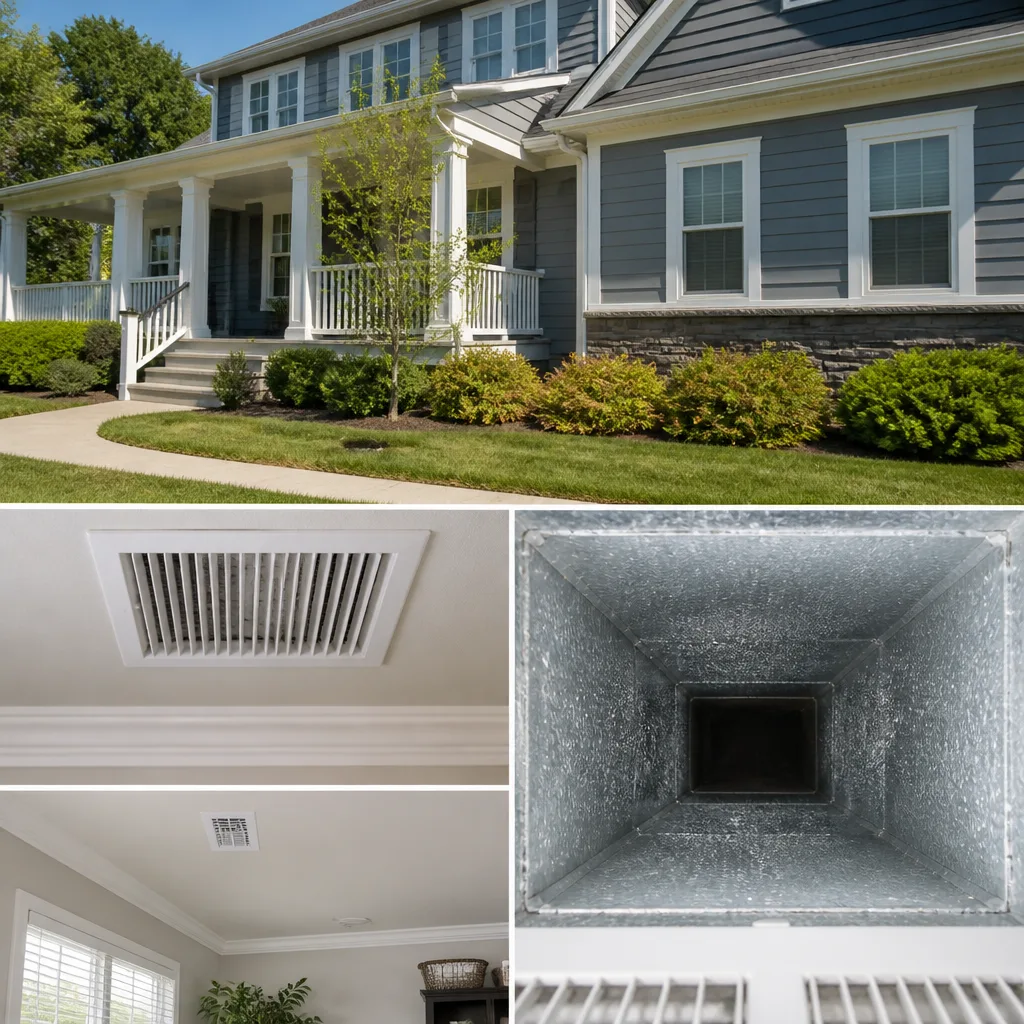 Whole-home duct cleaning
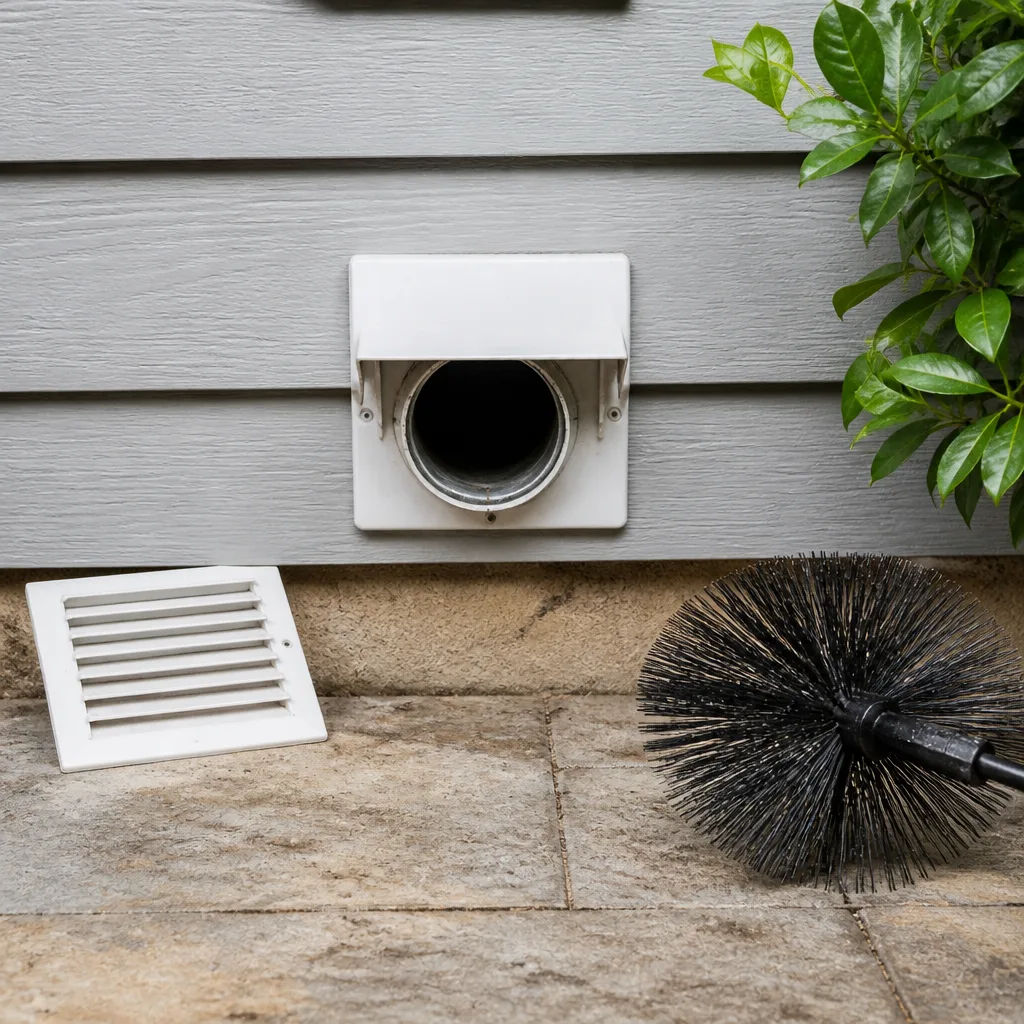 Dryer vent cleaning
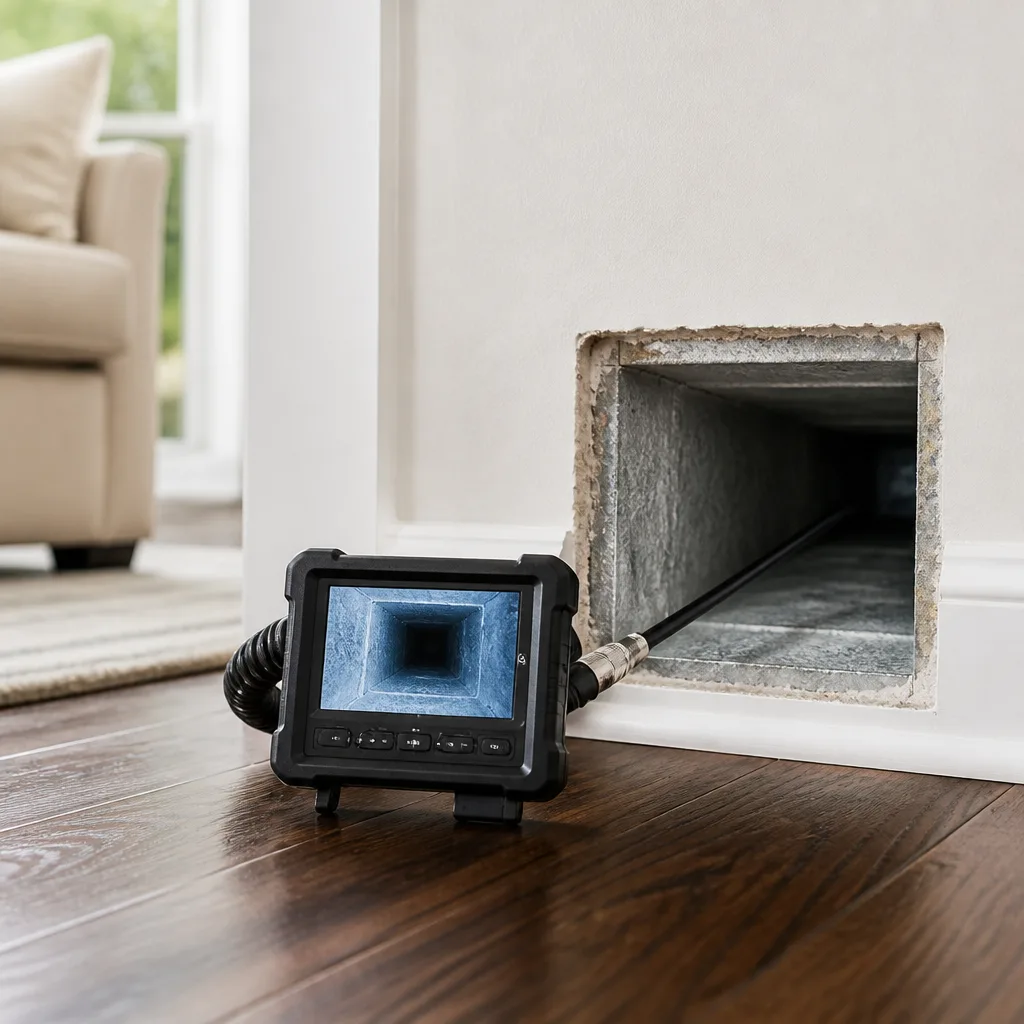 Camera inspection
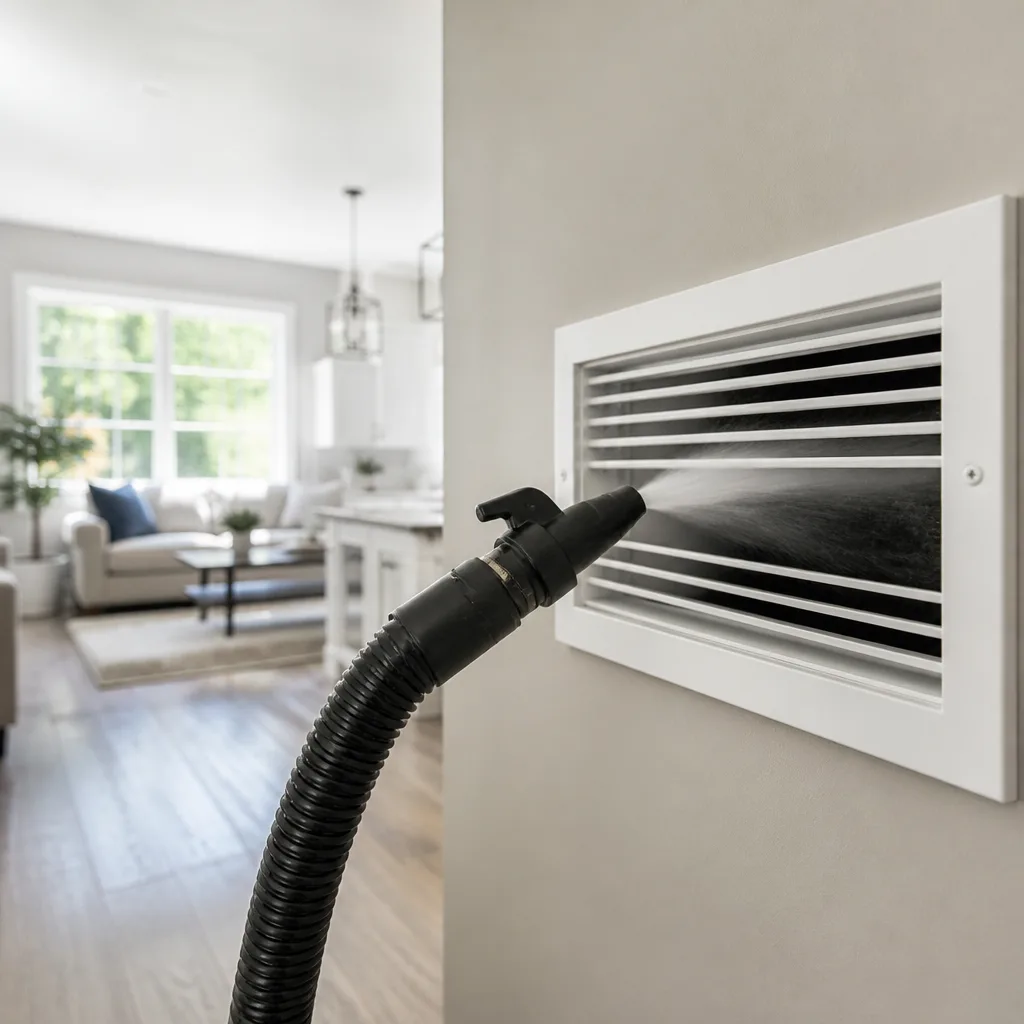 Sanitizing & deodorizing
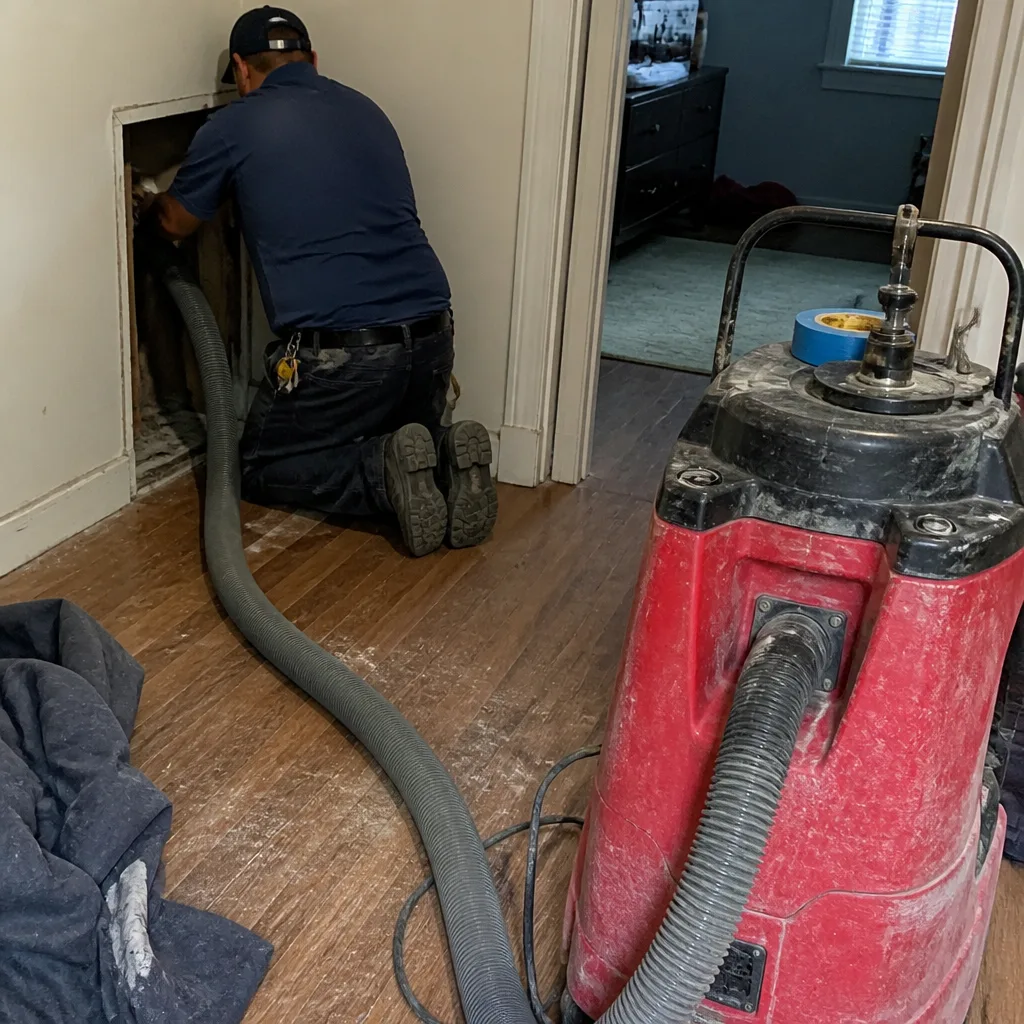
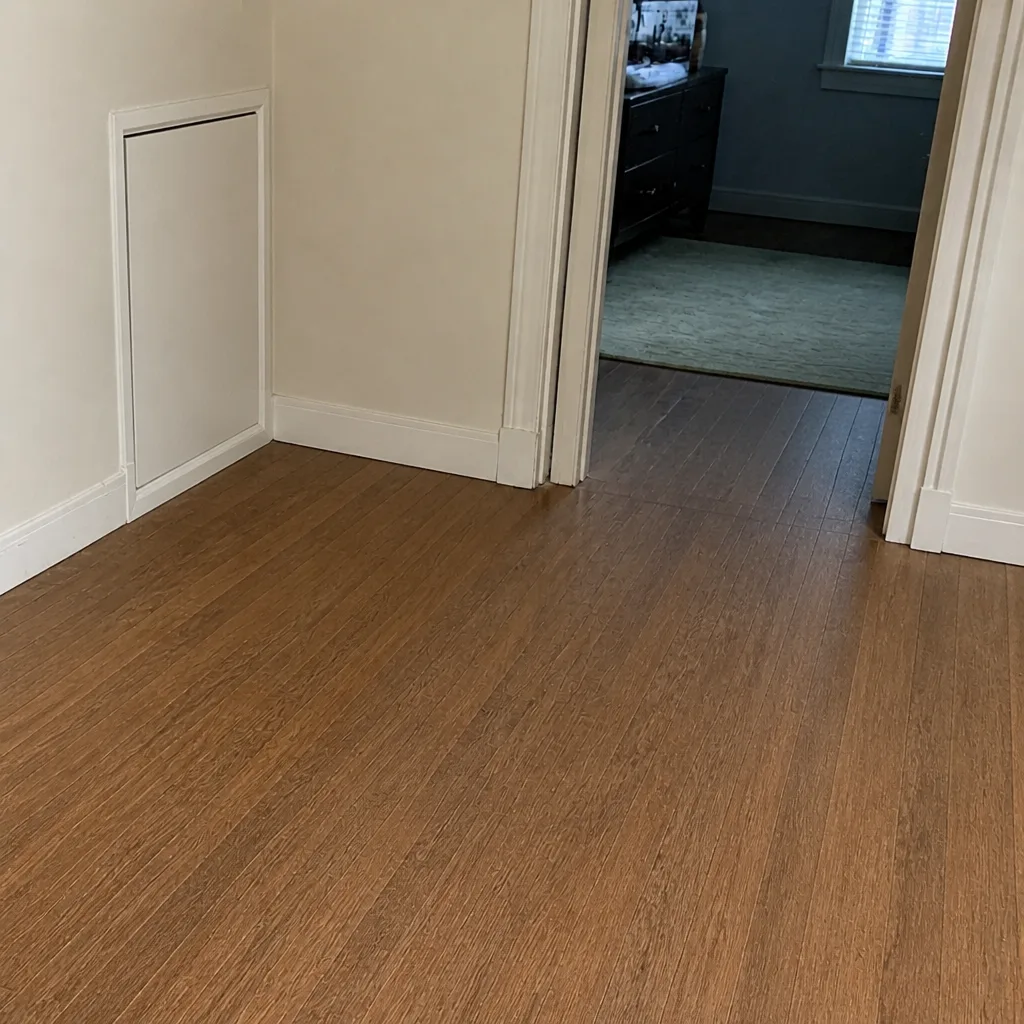
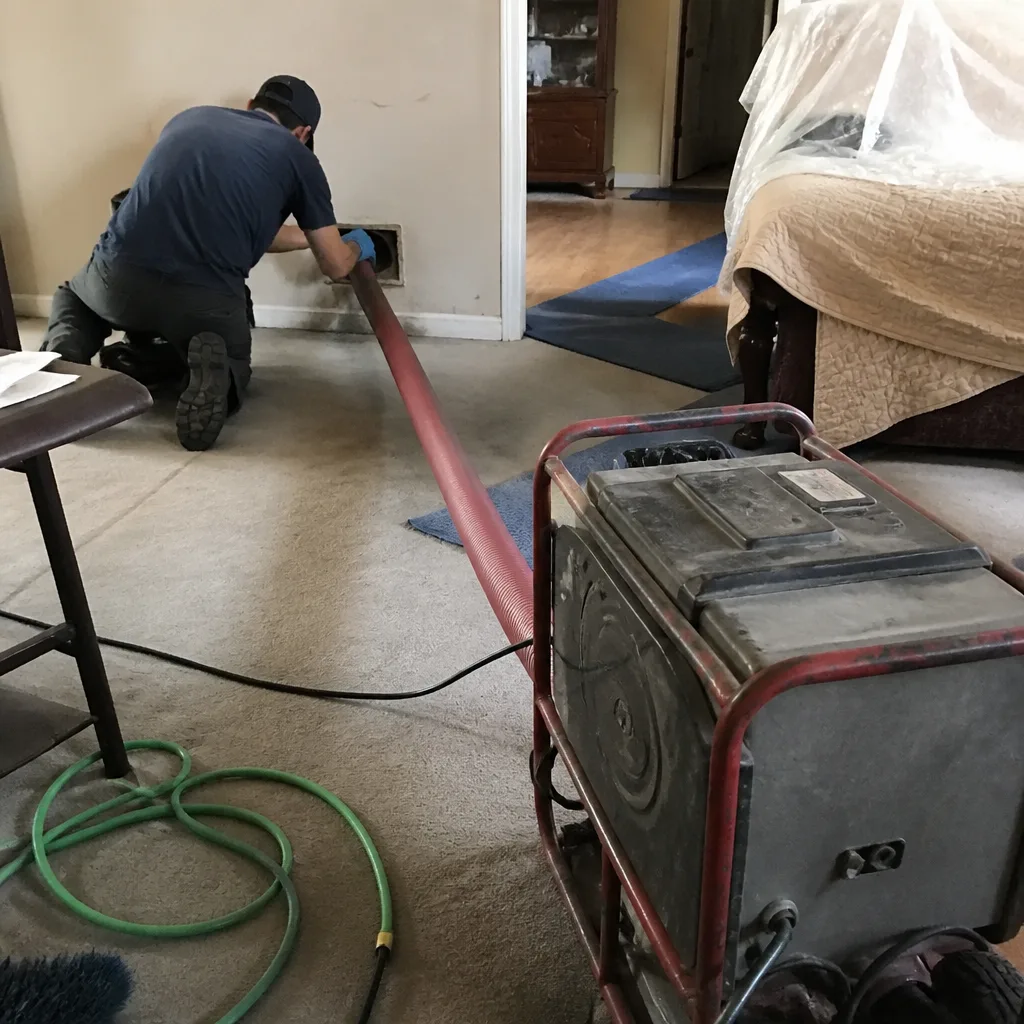
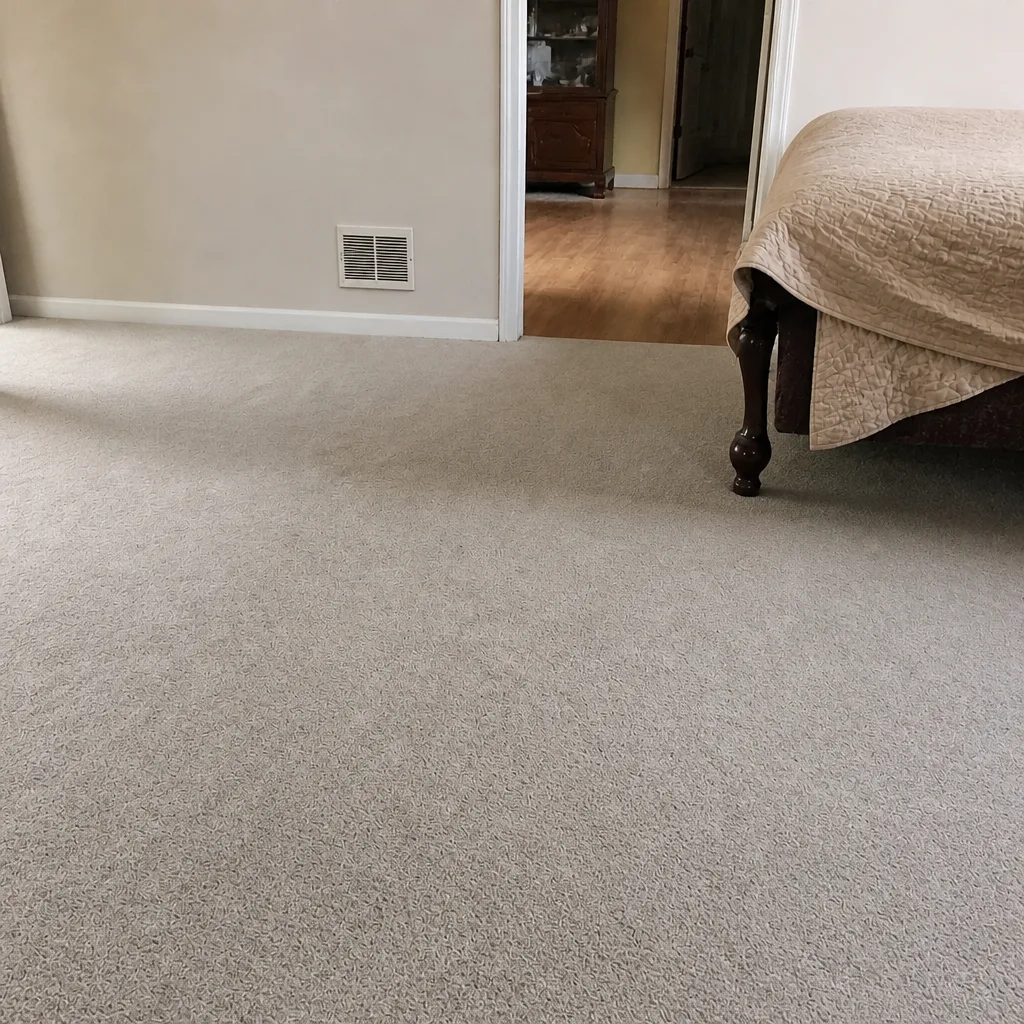
Whole-system duct and dryer vent check with before-and-after photos - you see exactly what came out of your vents
That "$99 whole-house special" is a bait ad - the real number appears once they are in your hallway, or the "clean" is a shop-vac at the register. We photograph the inside of your ducts before and after instead.
Air Duct Cleaning Maintenance Checklist for St. George Homeowners
If your St. George home was built before 1980 and has never had a duct inspection, your “maintenance” checklist is already starting from a deficit, not from zero. That’s the counterintuitive part most national templates miss: they hand every homeowner the same annual list and pretend a 1950s semi-attached house on a tight street lot ages the same way a new build does. It doesn’t. Older St. George homes carry decades of renovation dust, undersized returns, and seams that have quietly opened behind the drywall. In this guide we’ll walk through a month-by-month checklist tuned to how St. George actually seasons, filter intervals broken out by home age bracket, how to self-inspect registers between professional visits, and what to document so a future buyer or insurer has real records. Not generic advice. A working calendar.
Quick Answer
Air duct maintenance in St. George works best as a year-round rhythm, not a once-a-decade event: change filters every 1 to 3 months depending on home age and household, do a visual walkthrough of every supply register and return grille each season, and book professional whole-system cleaning every 3 to 5 years, more often in pre-1970 homes or after major renovation. Two seasonal anchors matter most: a September check before heating season and a May check after the spring pollen peak. Everything else in this guide fills in the detail between those two dates.
Styles & brands we work with
- Whole-home duct cleaning
- Dryer vent cleaning
- Camera inspection
- Sanitizing & deodorizing
Table of Contents
- Why St. George Homes Need Their Own Checklist
- Month-by-Month Maintenance Calendar
- Filter Change Intervals by Home Age Bracket
- How to Self-Inspect Registers and Return Grilles
- Checklist for Multi-Family and Attached Row Homes
- What Records to Keep After Every Service Visit
- Dryer Vent: The Fire-Safety Item People Skip
- What to Do Yourself vs. What Needs a Professional
Why St. George Homes Need Their Own Checklist
St. George is the densest borough on Staten Island and one of the oldest settled parts of the island. Housing stock runs from late-1800s row homes near the ferry terminal to mid-century detached houses toward the south and east edges, with a lot of 1970s and 1980s construction in between. That mix matters because duct systems were installed under different eras of building code, with different materials, and with very different expectations of seal tightness. What’s clean by a 1990s standard isn’t clean by today’s.
Two local conditions push contamination faster than the suburban average a national checklist is built around:
- Renovation dust from a tight neighborhood. In St. George, houses sit close together and remodels don’t happen in isolation. When one house on a block gets gut-renovated, dust and debris get pulled through the air intakes of nearby homes. Duct systems catch what the neighborhood throws at them.
- Older building stock with open seams. Pre-1970 ductwork in St. George was often assembled with mechanical fasteners and foil tape that has since dried out. That means the system isn’t just moving air through the house; it’s pulling air through wall cavities, crawl spaces, and basements. Duct repair and sealing is often the fix that actually matters here, not another vacuum pass.
If you’re new to the topic, St. George Air Duct Cleaning Pros is a good starting point for understanding the full scope of what a duct system consists of. The checklist below assumes you already know that ductwork is more than the ducts themselves.
Month-by-Month Maintenance Calendar
Here’s the calendar we give St. George homeowners. Adjust the exact dates to your own heating and cooling patterns, but the sequence holds.
- September (pre-heating-season check). Your HVAC is about to flip from cooling to heating. Before the first real cold snap, replace the filter, walk every register to confirm airflow, look for visible dust streaking around the grille frames, and listen for whistling or a hard whoosh at the return. This is also the right month to book professional HVAC cleaning if it’s been a few years, so you’re not doing it in the middle of a December cold stretch.
- October. Check the exterior dryer vent flap on the outside of your house. If it stays stuck open, you’re inviting cold air and pests in; if it stays shut while the dryer is running, you’ve got a blockage. Both are worth a phone call.
- November through February. Filter changes continue on schedule. If your heating bills rise more than you’d expect for the season, note it. Rising bills with no change in usage is one of the earliest signs of duct leakage.
- March. The heating season winds down. Do a filter change and a quick visual once-over of every register. If you had any cold rooms over the winter (rooms that never quite got warm even with the heat running), note them now; those are the diagnostic clues a technician needs.
- April through early May (post-pollen check). The pollen peak has passed; whatever it dropped into your system is now sitting in the supply trunks and grilles. Change the filter, do a full register inspection, and if you skipped professional cleaning last year, this is the month to schedule air duct cleaning so pollen and spring debris don’t recirculate all summer.
- June through August. Cooling season. Filter changes continue. Check for condensation or moisture at any register serving a room over a crawl space or basement; St. George’s humid summers make any minor leak a bigger problem than it would be further inland.
Two anchor dates carry most of the weight: September, before heating, and May, after pollen. If you do nothing else on this checklist, do those two.
Filter Change Intervals by Home Age Bracket
Filter advice that says “every three months” is technically correct in some houses and dangerously late in others. Here’s how we break it down by St. George housing type.
Pre-1970 construction
Older St. George homes, especially those near the waterfront edges of the neighborhood and the row-house blocks, were built in an era of looser duct sealing. Filter changes every 4 to 6 weeks is realistic if the house has pets, a smoker, or ongoing renovation nearby. The filters load faster because the system is pulling more airborne debris from cavities and return paths that modern systems would have sealed off.
1970 to 2000 construction
This is the majority of St. George’s housing stock. Duct sealing is better than pre-1970 but rarely tight by today’s standards. Filter changes every 2 to 3 months generally work, unless the home is on a busy street or has had a kitchen or bathroom remodel in the last two years. Renovation dust lingers in the system for far longer than the actual construction work; plan on monthly filter changes for at least six months after any significant remodel.
Modern builds (2000 onward)
Tighter construction means less infiltration from the outside but more recirculated air inside. Filters in a modern St. George home catch the same household dust, pet dander, and cooking aerosol faster because there’s less outside air to dilute it. Three-month changes are usually adequate, but if you’ve added pets or a family member has developed allergy symptoms, test a 6-week interval and see if the filter loads out before the change.
One note worth saying plainly: there’s no benefit to changing filters more often than they actually load out. Look at the filter when you pull it. If it’s still mostly white, you changed too early. If it’s grey all the way through, you waited too long.
How to Self-Inspect Registers and Return Grilles
You don’t need tools to spot early signs of duct problems. You need a flashlight and ten minutes per register, once a season. This is the checklist we walk customers through on the phone.
- Visible dust streaking on the grille face. A light film is normal. Black streaks radiating from the edges or corners usually mean air is bypassing the frame, which means dust is being pushed out of the wall cavity around the duct, not through it.
- Discolored insulation or black dust around the register frame. This suggests air is coming through a gap between the register and the drywall. In St. George’s older homes this is very common and it’s a seal-and-repair issue, not a cleaning issue.
- Airflow feel. Hold your hand up to each register with the system running. Every register in the same zone should feel roughly the same. One register noticeably weak is a sign of a disconnected duct or a blocked run.
- Sound. Whistling or a hard rush of air at the return grille is a sign the return is undersized or partly blocked. Rattling means a loose duct connection.
- Smell. A musty smell that’s stronger at some registers than others is a moisture problem in the duct run serving that side of the house. Don’t ignore it.
- Temperature. Rooms that never reach the same temperature as the rest of the house, every season, point to a duct issue rather than an HVAC equipment issue.
Take a photo of each problem register with your phone. When you eventually call a technician, those photos save a lot of diagnostic time and make the visit more productive.
Checklist for Multi-Family and Attached Row Homes
St. George has a significant number of attached row homes and multi-family buildings, and these have specific duct issues that a detached-home checklist misses entirely.
- Shared wall penetrations. In attached homes, duct runs often pass through the shared wall between units. If the penetration isn’t sealed on both sides, one unit’s air (and dust, and smell) can travel into the neighbor’s unit. Check for air movement around any duct penetration on shared walls, and have it sealed properly. This is one area where duct repair and sealing is worth doing for its own sake, not just as part of a cleaning.
- Common hallway air infiltration. Multi-family buildings with a common hallway often have return air paths that leak into the corridor. That’s not just an energy loss; it’s a way for cooking smells, hallway dust, and moisture to enter your apartment’s system. If your apartment always smells like the hallway, you have a return path problem.
- Individual unit filters. In multi-family St. George buildings, each unit usually has its own air handler and filter. Confirm the filter is on your own system and change it on your own schedule, even if the building has a property manager handling other maintenance. You can’t assume someone else is doing it.
- Dryer vent coordination. In attached and multi-family homes, dryer vents often run through shared cavities or up exterior walls. If your dryer vent cleaning is overdue, the fire risk doesn’t stop at your unit line. This is worth coordinating with the owner or property manager.
- Party-wall duct runs behind kitchens. Common in row-house kitchens, these runs are often the last ones inspected because they’re behind cabinetry. If you’ve never had them looked at, they’re the highest-probability unknown in the house.
The self-inspection tips in the previous section apply the same way here, but add shared-wall checks to your seasonal list.
What Records to Keep After Every Service Visit
Most homeowners keep the invoice and nothing else. That’s the wrong record. Here’s what actually matters two, five, or ten years later, whether you’re selling the house or filing a homeowner’s insurance claim.
- The service date and the technician type. Date is obvious. Company name matters because it lets a future buyer verify the work was done by a legitimate operation. Rotobrush and Nikro equipment is professional-grade; a company using it will say so on the invoice.
- Before-and-after photos. Ask for these on every visit. If your provider doesn’t offer them, ask why not. Photos of the same return grille before and after are the simplest, most honest proof of work.
- The condition report. Any notes on duct condition, seal integrity, disconnected runs, or moisture issues. This is what an HVAC company or buyer’s inspector will want to see. If the report says “ducting in the northwest bedroom has separation at the boot,” you want that on file, not just in a technician’s memory.
- Scope of work performed. Specifically what was cleaned, sealed, or repaired. “Cleaned ducts” is not useful documentation; “cleaned supply and return trunks, sealed two boots at kitchen and hallway return, cleaned dryer vent, replaced Aprilaire filter” is.
- Dryer vent cleaning records separately. Dryer vent cleaning is a fire-safety service and should be documented as its own item, with a date. If you ever need to show an insurer or a buyer that the vent was maintained, this is the record that matters.
- Any air quality equipment installed or serviced. If you have a Honeywell or Aprilaire filter or air quality component as part of your system, the model and service history belong in the same file.
Keep all of this in a single folder (physical or digital) alongside your HVAC service records. It costs nothing to keep and it’s worth real money the day you need it.
Dryer Vent: The Fire-Safety Item People Skip
Dryer vent cleaning is the item on this checklist that has nothing to do with comfort or energy bills. It’s the item that addresses an actual fire risk, and it’s the one homeowners skip most often because nothing feels wrong until something does.
Lint accumulates in the dryer vent run steadily, regardless of how careful you are about cleaning the lint trap after each load. A partially blocked vent forces the dryer to run hotter and longer, which accelerates lint drying and increases the risk of ignition. In older St. George homes with long vent runs or multiple 90-degree turns, blockage builds faster than in a modern short-run installation.
The practical checklist item: have the dryer vent inspected and cleaned at least annually in a typical household, and more often if the run is long, the dryer is older, or the household does a lot of laundry. Signs it’s overdue include clothes taking two cycles to dry, the dryer cabinet feeling hot to the touch at the end of a cycle, or visible lint buildup around the exterior vent flap. If any of those are true, don’t wait for the annual date.
This is often the service that reveals why a St. George homeowner originally called about duct cleaning. Once we’re in the house for air duct cleaning, it makes sense to look at the dryer vent and the HVAC air handler in the same visit.
What to Do Yourself vs. What Needs a Professional
Some of this checklist is genuinely a homeowner’s job. Some of it isn’t, and pretending otherwise wastes your time or risks damage to your system.
What you can and should do yourself
- Filter changes (this is the single most valuable DIY item on the list).
- Visual register and return grille inspection, with photos.
- Cleaning the exterior grille and vent flap as needed.
- Keeping a documentation folder for every service.
- Noticing changes in airflow, temperature, smell, and energy use and writing them down.
What needs a professional
- Whole-system duct cleaning with equipment that can reach the trunk lines and boots, not just the register face.
- Duct repair and sealing, which requires access to the duct runs inside walls and crawl spaces and proper sealing materials.
- HVAC air handler and component cleaning, which involves the equipment inside the unit itself.
- Dryer vent cleaning on long or complex runs.
- Any air quality equipment recommendation or installation involving Honeywell or Aprilaire components.
The right professional setup matters here. Rotobrush contact-cleaning systems reach the interior duct surfaces directly; Nikro HEPA vacuums capture what’s loosened; Abatement Technologies air scrubbers handle post-cleaning air filtration. Consumer-grade shop vacuums do not do any of these things at the scale a full system requires. That’s not a sales point. It’s just what the equipment is built to do.
One caution: high-tension components inside your HVAC system, gas connections, and any electrical panel work are not homeowner tasks. Leave them to a trained professional, always.
Common Mistakes to Avoid
- Treating duct cleaning as a one-time event. A single cleaning resets the clock; it doesn’t stop it. St. George homes need a schedule, not a memory. If you can’t remember the last visit, that’s your cue to book one.
- Filter changes by calendar instead of by loading. A “change every three months” rule ignores the fact that a pre-1970 St. George home with pets and a nearby remodel needs a filter four times as often as a modern condo. Look at the filter, not the wall calendar.
- Skipping the return grille inspection. Most homeowners check supply registers and ignore returns. Generally, that’s backwards: returns tell you more about what’s actually coming back through the system.
- Ignoring rising energy bills. A gradual 10 to 15 percent rise in heating or cooling costs over a single season, with no change in usage, is a duct-leak signal. Don’t just switch to a cheaper energy plan; get the ducts looked at.
- Cleaning without sealing. In older St. George homes, cleaning a leaky duct system just clears the debris that will be back in six months. Duct repair and sealing is the fix that actually sticks.
- Skipping the dryer vent because it seems fine. The vent risk doesn’t announce itself. Annual dryer vent cleaning is the standard; skipping it because “nothing feels wrong” is how the fire-safety item gets missed.
- Not keeping records. A gut feeling that “we had the ducts cleaned a few years ago” isn’t documentation. Neither is a text message from a neighbor. Keep the invoice, the photos, and the condition report together in one place.
See the difference
 Before
 After
 Before
 After
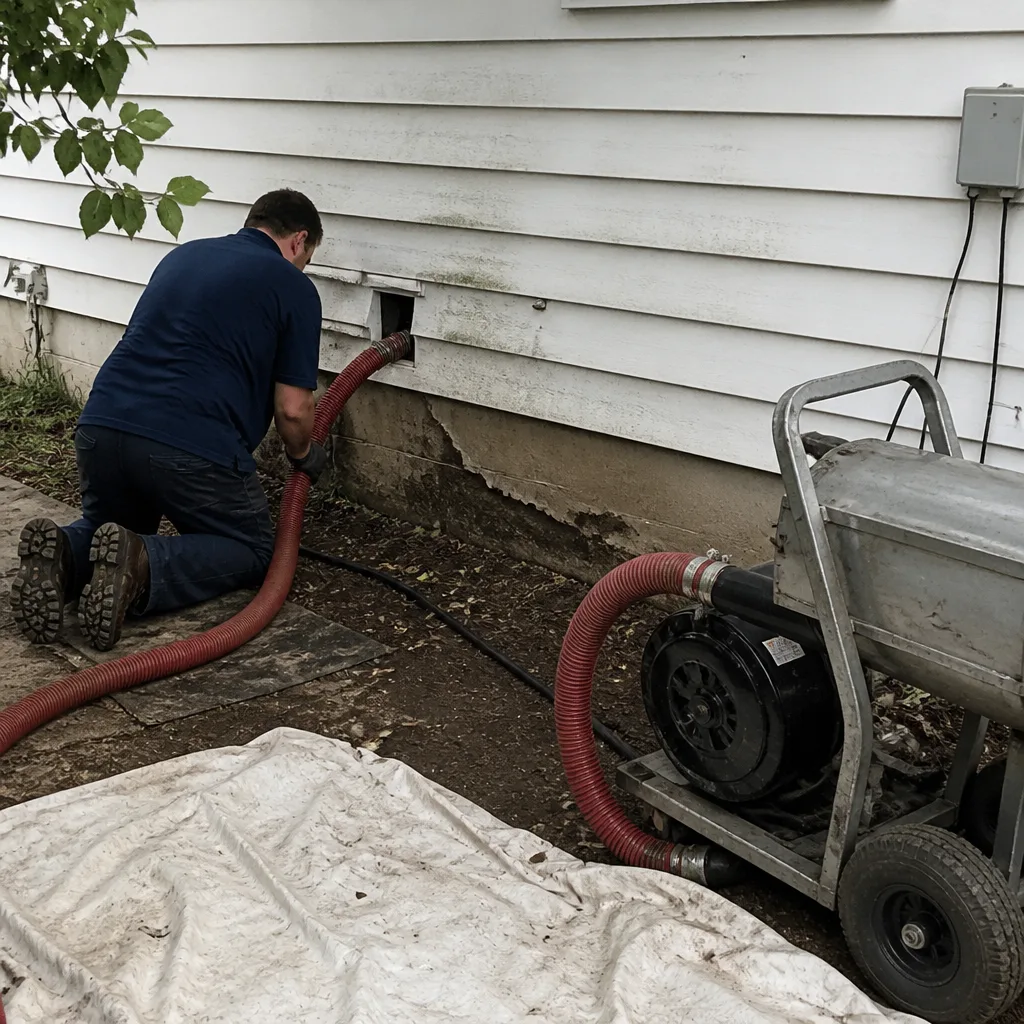 Before
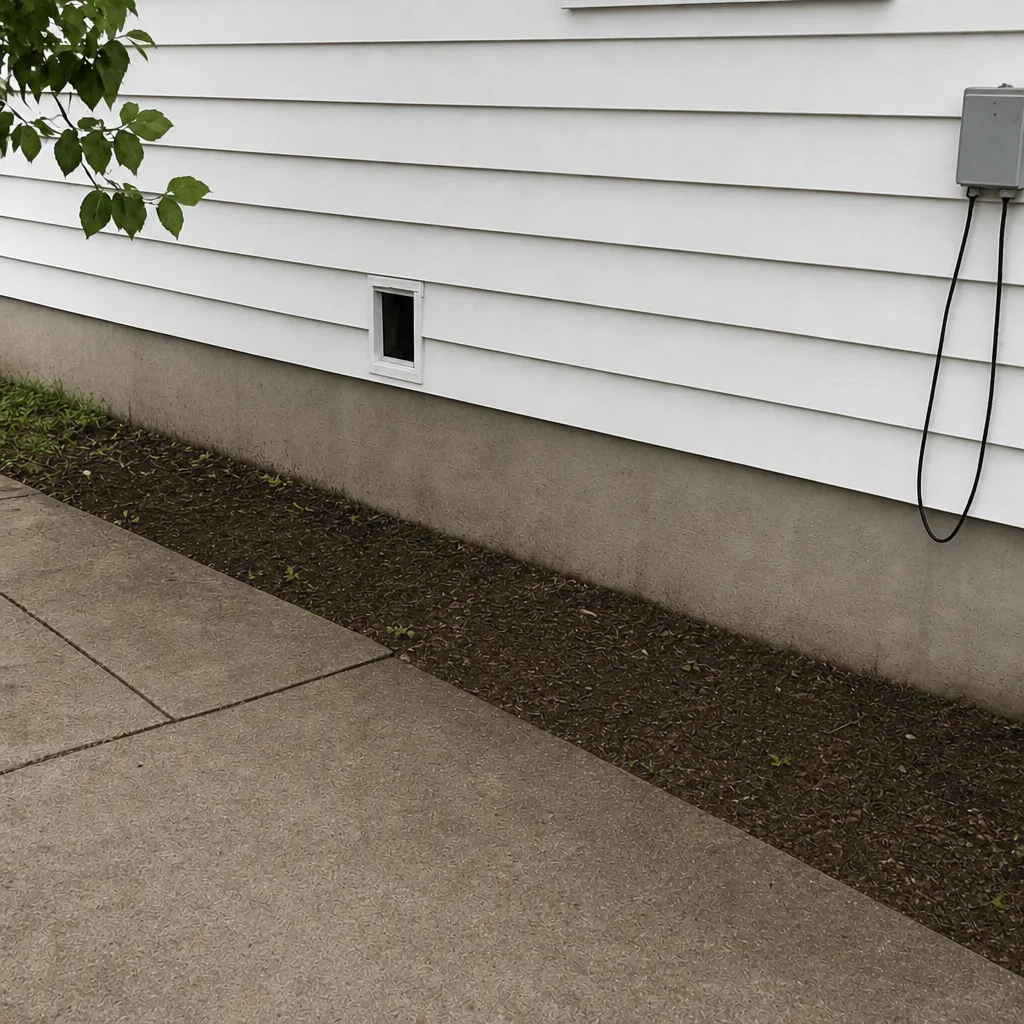 After
When to Call a Professional
Specific scenarios that mean the checklist becomes a service visit: you’ve moved into a St. George home and don’t know its service history; you’re seeing visible dust streaking or dark residue around register frames; airflow at any register has dropped noticeably; a room never warms or cools to match the rest of the house; you smell musty or stale air from specific registers; your heating or cooling bills have jumped without a usage change; you’ve recently finished a remodel; or your dryer vent hasn’t been cleaned in a year and the dryer is running hot or slow.
St. George Air Duct Cleaning Pros offers free estimates in St. George. Call (888) 848-7351. We answer 24/7. Fast dispatch from 7am to 7pm, Sunday through Friday. The local pro is licensed and insured as their state requires, and you’ll get one flat price per system agreed before work starts, plus before-and-after photos of your own ducts.
Frequently Asked Questions
Every 3 to 5 years for most St. George homes, and every 2 to 3 years for pre-1970 housing stock where duct seams are often looser and renovation dust from the neighborhood infiltrates faster. Homes with pets, allergy-sensitive occupants, or recent remodels should lean toward the shorter end of that range. If you’ve just bought a house in St. George and don’t know when the last cleaning happened, treat it as overdue. Call (888) 848-7351 for an exact quote; estimates are free.
Yes, but the timeline shifts. A post-2000 St. George build has tighter duct seals and less infiltration than older construction, so the filter interval can stretch and the professional cleaning interval can sit closer to the 5-year mark. The register inspection, the filter changes, and the dryer vent cleaning still apply on the same schedule. What changes in newer homes is that seal repairs are less likely to be needed during the first two decades.
It depends on the size of the system, the number of ducts, and whether sealing or repair work is included, which is why we quote per job, not per feature. There’s no teaser coupon price; the written estimate you get on site is the price you pay, and it’s agreed before work starts. Some low-ball quotes in this area turn into a much larger invoice once the technician is on site, and the way to protect yourself is to ask for the full scope in writing and before-and-after photos of your own ducts. Call (888) 848-7351 for an exact quote; estimates are free.
Ask for before-and-after photos of the same return grille on every visit, and ask for a written condition report naming any problems found. Rotobrush contact-cleaning and Nikro HEPA equipment both allow the work to be documented, not just performed. If a provider can’t provide photos, that’s a signal. Call (888) 848-7351 for an exact quote; estimates are free.
Every 4 to 6 weeks is realistic for pre-1970 construction, especially if there’s a pet, ongoing renovation nearby, or a family member with allergies. The system in those homes pulls more debris from cavities and return paths than a modern sealed system does, so the filter loads faster. Test the interval on your own filter: if it’s still white at the 6-week mark, stretch it; if it’s grey all the way through, shorten it.
Yes. Cleaning removes debris; sealing fixes the reason the debris comes back. In older St. George homes with taped or mechanically fastened duct seams, the system pulls air through cavities and unconditioned space, which raises energy bills and reintroduces dust within months. Duct repair and sealing is often the higher-value line item in a full-system visit. Call (888) 848-7351 for an exact quote; estimates are free.
The Bottom Line
Duct maintenance in St. George works as a rhythm, not an event. Set the two anchors first: a September check before heating season and a May check after the pollen peak. Between those, keep filter changes calibrated to your home’s age bracket, do a photo-based register inspection each season, and check the dryer vent on its own annual schedule. If you’re in a pre-1970 St. George home, especially near the denser row-house blocks, keep the documentation folder current and treat duct repair and sealing as part of the plan, not an optional add-on. When the checklist outgrows DIY, call (888) 848-7351 for a free estimate. We answer 24/7. Fast dispatch from 7am to 7pm, Sunday through Friday.
Written by the team at St. George Air Duct Cleaning Pros.