
Last updated November 25, 2026
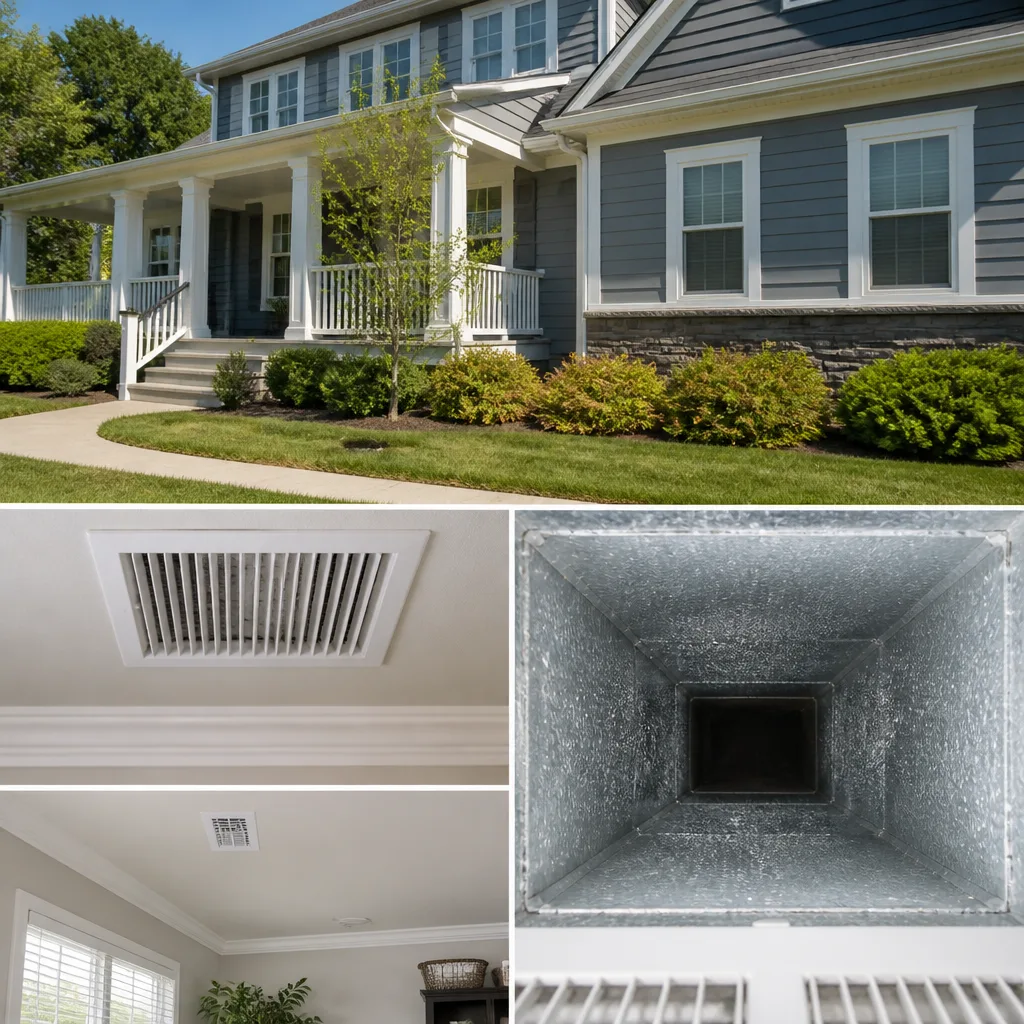 Whole-home duct cleaning
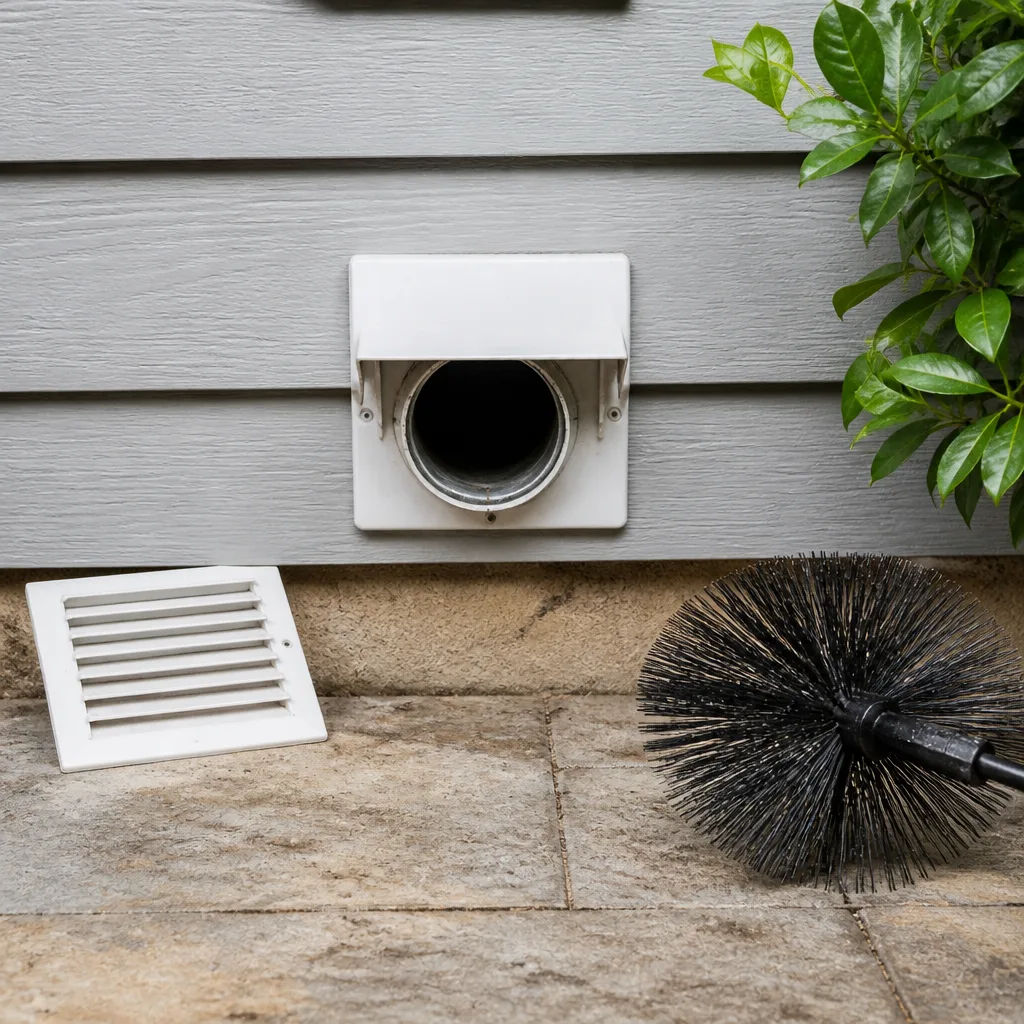 Dryer vent cleaning
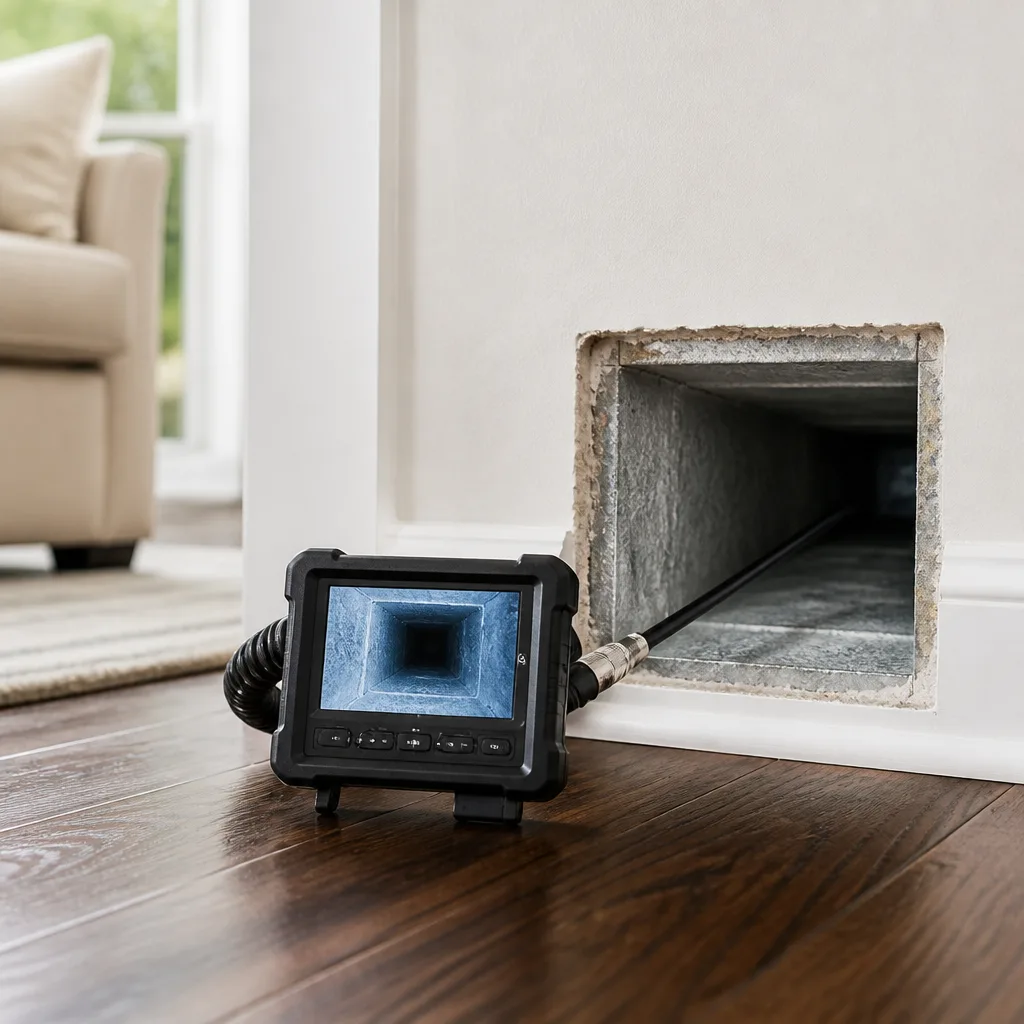 Camera inspection
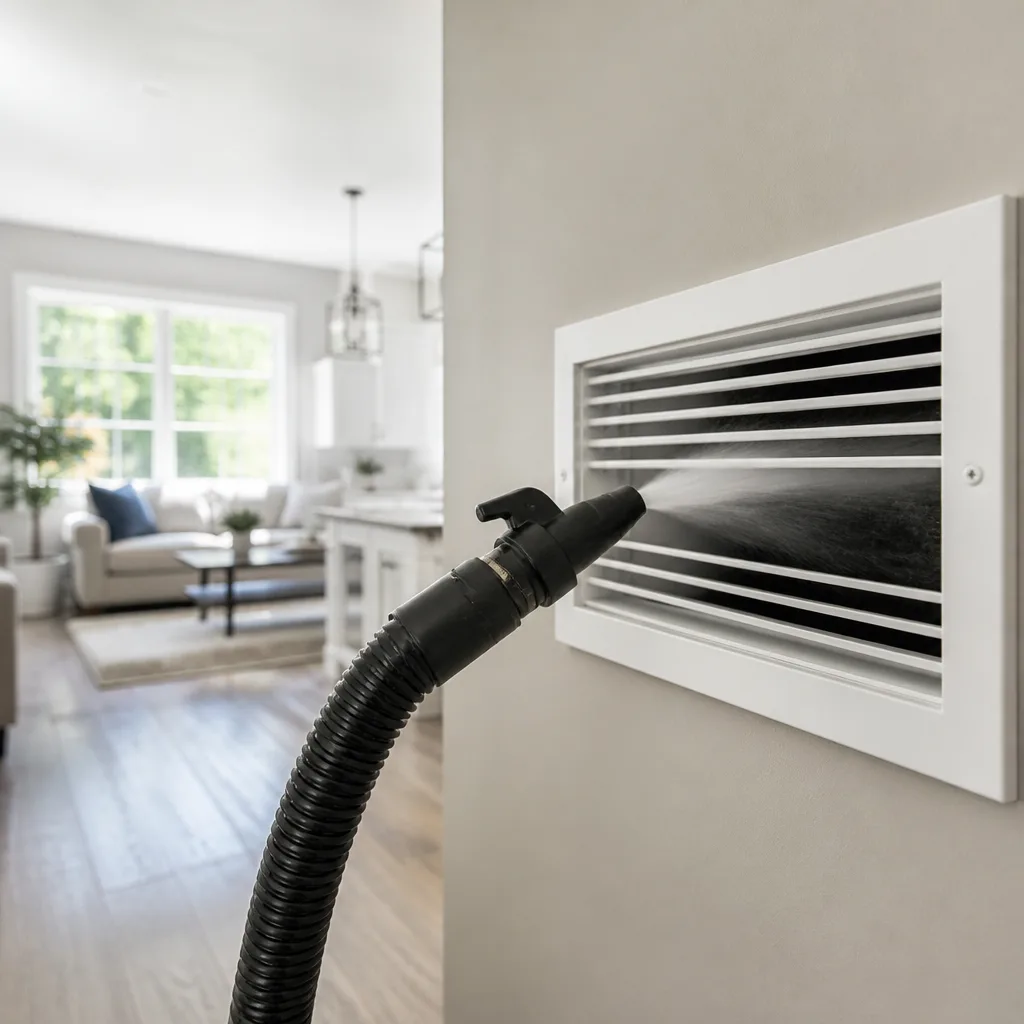 Sanitizing & deodorizing
Whole-system duct and dryer vent check with before-and-after photos - you see exactly what came out of your vents
That "$99 whole-house special" is a bait ad - the real number appears once they are in your hallway, or the "clean" is a shop-vac at the register. We photograph the inside of your ducts before and after instead.
Air Duct Cleaning Troubleshooting in St. George: Common Problems and How to Fix Them
If your upstairs rooms are always warmer than downstairs, your thermostat isn’t lying, but your ducts might be. Most homeowners in St. George blame weak airflow and dust on the HVAC unit itself, then spend money on a service call that finds nothing wrong with the equipment. What they usually have is one specific duct condition with one specific fix. Four symptoms point to four different problems under the floor and inside the walls, and the repair is different for each. This guide maps each symptom to its mechanical cause so you know what you’re dealing with before anyone touches your system.
Quick Answer
Weak airflow usually means a crushed or collapsed flex duct, uneven room temperatures usually mean a disconnected trunk line or a badly leaking joint, sudden dust usually means a return-side breach pulling attic or crawlspace air into the system, and a musty smell usually means moisture entering at a specific joint. Cleaning removes debris, but it only holds if the ducts are sealed first. A breach that stays open after cleaning will pull the same contamination straight back in.
Styles & brands we work with
- Whole-home duct cleaning
- Dryer vent cleaning
- Camera inspection
- Sanitizing & deodorizing
Table of Contents
- How Do You Match a Symptom to the Right Duct Problem?
- Weak Airflow From One or Two Vents
- Uneven Temperatures Room to Room
- Sudden Dust and Debris Spikes
- Musty Odor and Moisture Intrusion
- How to Inspect Your Ducts Before You Call Anyone
- Why St. George’s Humidity Swings Cause Specific Duct Failures
- Cleaning vs. Sealing vs. Repair: Which Comes First?
How Do You Match a Symptom to the Right Duct Problem?
The whole diagnostic game comes down to matching what your house is doing to what’s happening inside the duct runs. A symptom is not the problem. A symptom is a signal that points to a mechanical cause, and once you know the cause, the fix is often obvious. That’s the approach our technicians take on every call in St. George, and it’s the one that saves you from paying for a cleaning that won’t solve anything.
Here’s the map. Match your symptom to the cause, then work toward the right repair.
- One vent weak, others strong: likely a crushed, kinked or collapsed flex duct on that branch line.
- Whole upstairs weak or warm: likely a disconnected or separated trunk line, or a boot that pulled free at the register.
- Dust spike after the system runs: likely a return-side breach in the attic or crawlspace pulling unfiltered air into the loop.
- Musty smell that gets stronger when the system turns on: likely moisture intrusion at a specific joint, often where a duct passes through unconditioned space.
Each of these is a different mechanical failure. That’s why a single “system tune-up” or a quick vacuum of the trunk line so often fails to fix the complaint. If the cause is a broken branch or a torn return, no amount of cleaning will restore the airflow. You have a structural problem, and structure comes first.
In St. George, the attic runs take the worst of it. A duct system that runs through a 140-degree summer attic and then gets hit by a cold winter morning puts a lot of stress on the tape and mastic at every joint. A visual inspection of accessible runs, plus a static pressure check at the air handler, tells you far more than a phone diagnosis ever will. The team here is set up for that kind of diagnostic, and we bring the equipment to do it in one visit.
Weak Airflow From One or Two Vents
If one register pushes noticeably less air than the others, you almost always have a branch-line problem, not a blower problem. The most common cause is a flex duct that got crushed or kinked during installation, insulation work, or a later renovation. Flex duct is designed to be fully stretched and gently routed. Bundle it in a tight corner or lay something heavy across it, and the air has nowhere to go. On a proper inspection, the run looks fine from the outside because the inner liner is what collapsed. The exterior sleeve is still intact, but the airflow is choked off. That’s why homeowners often assume the equipment is “getting weak” when the real problem is a duct that’s been sleeping in the same bad position for years.
Less often, a damper on that branch is closed or stuck partway. If you can reach the damper handle at the air handler or in the trunk line, a gentle check of its position is a reasonable first step. Don’t force it. Stuck dampers and broken linkage are a technician job, not a homeowner job, because a damper that suddenly pops open sends a full blast of system pressure into a branch that may not be seated properly at the boot.
If the weak vent is on a long run and the register boot itself is visibly sealed with old gray tape, that’s your second suspect. We see a lot of aged tape in St. George homes. The tape dries, cracks and lets go behind the wall, so the run looks connected at the register but is separated a foot or two back. A pressure reading tells you the branch is open to attic air. A visual check behind the boot confirms it. A pro can often re-seat and seal that joint from inside the system without opening more drywall than necessary.
When the airflow problem is systemic, the return side deserves a look too. A starved return in a central hallway is not a cleaning problem, it is a sizing and sealing problem, and fixing it usually means adding capacity or closing a leak. Our team has the Abatement Technologies filtration gear to keep the workspace clean while that repair happens, which matters in an occupied home.
Uneven Temperatures Room to Room
If the thermostat says 74 and the upstairs bedroom says 84, don’t rush out to buy a bigger unit. A temperature split between floors, or between the middle of the house and a far room over the garage, is one of the most reliable indicators that a trunk line has separated. A main trunk can come apart at a joint, a takeoff collar can pull free, or a run can disconnect from the plenum at the air handler. The air has to go somewhere, so it blows into the attic, the crawlspace or the wall cavity, and the room at the end of the run keeps shorting on supply.
Here’s the sequence our technicians follow for this specific complaint:
- Measure the split. Compare the room in question to the thermostat on a steady day so you have a real number to work from.
- Check register pressure. A tissue or a hand test tells you if supply air is arriving at all. No supply at the far register points to a break between the plenum and the room.
- Static pressure at the air handler. A reading that is high on the supply side but quiet at the far vent is the signature of a separated trunk.
- Visual check of accessible runs. Flexible duct in the attic is often visible from a safe walkway. Look for drooping sections, tape that has let go, or a run that crosses an open space with no support.
- Seal and verify. Once the break is found, we re-tape the joint with mastic, add mechanical support and re-run the pressure check to confirm the fix.
If the disconnected run isn’t the whole story, a duct repair and sealing job is where most of the gain comes from. In St. George, a well-sealed distribution system often makes a bigger difference to even temperatures than a unit change. We work in Honeywell and Aprilaire product ecosystems for the parts of the job that go beyond the duct itself, so the zone control and filtration match the equipment you already have.
Sudden Dust and Debris Spikes
A room that starts collecting dust faster than it used to is usually not a filtration problem. It’s a return-side breach. The return duct pulls air back to the air handler, and if that run is intact, it pulls filtered household air. If it has a tear, a separated joint or a boot that has pulled away from the plenum, it pulls whatever air is sitting next to it, including attic insulation fibers, crawlspace dirt and the fine red desert dust that builds up in every St. George attic and crawlspace. That unfiltered particulate gets distributed to every room in the house, so the dust shows up on every surface, not just under one vent.
The order of operations matters here, and this is where a lot of homeowners lose money. Cleaning a duct system with an open return-side breach simply recirculates the contamination straight back through the system. You clean the trunk, then run the unit and watch a fresh layer of dust arrive from the attic. Before any cleaning, the return side needs a visual check across its full length and its joints sealed. Then the cleaning happens. Then a post-cleaning verification with a HEPA-equipped vacuum and an air scrubber confirms the particulate stayed out.
Our technicians run Rotobrush contact-cleaning equipment and Nikro HEPA vacuums for exactly this reason. The contact tools bring the debris back to the vacuum, and the HEPA unit keeps a negative pressure on the work zone so nothing escapes into the rest of the house. The Abatement Technologies filtration side of the gear handles the post-cleaning air wash. For St. George homes, where the fine reddish dust is unavoidable in any attic space, catching that dust before it climbs into the supply trunk is a big part of the job.
If the dust returns within a month of a cleaning, the breach was never closed. That’s the test. Call back and get the return side re-inspected.
Musty Odor and Moisture Intrusion
A musty smell that gets stronger when the air handler kicks on is one of the easier problems to diagnose and one of the harder ones to fix without taking a duct run apart. Odor that shows up only when the system is running points to a moisture source inside the airstream, and moisture almost always comes in at a joint or a seam where the duct meets unconditioned space. Once that joint is wet, the material grows a microbial film, and the blower pushes that smell into every room in the house.
The most common spots to check, in order, are:
- Where a run passes through an unconditioned attic or crawlspace. Condensation forms on the outside of the outer jacket when the surface temperature drops below the dew point.
- Where a flex duct meets a boot or a plenum. A gap that’s supposed to be sealed with mastic but has been taped badly or never sealed at all lets damp attic air leak into the airstream.
- Under a bath fan or a kitchen hood. Moisture that should be vented outside can leak back into a nearby duct joint.
- The air handler cabinet itself. A wet pan, a clogged condensate line or a pan that is overflowing wets the cabinet and starts the smell from the inside.
Please note: mold remediation and pest control are not services we offer. If a suspect joint shows active growth or pest activity, we will point you to a specialist. What we can do is the structural side of the job. We locate the leak, seal the joint with mastic, fix the air-sealing so the moist air no longer infiltrates, and clean the duct system once the source is closed. Honeywell and Aprilaire ecosystem components can handle the filtration and humidity side of the fix so the moisture problem doesn’t come straight back.
How to Inspect Your Ducts Before You Call Anyone
You can learn a lot before anyone drives out. A careful look at the accessible parts of your system, plus a basic pressure test, tells you whether you’re dealing with a collapsed run, a disconnected trunk, a return-side breach or a moisture problem. Here’s the sequence we recommend to St. George homeowners who want to understand their own system before they commit to a repair.
- Turn the fan on and walk every register. Use the palm of your hand at each one. Note which ones feel strong, which are weak, and which are silent. A silent register on one branch line points to a collapsed or disconnected run.
- Note the room temperatures. Give the system a day to stabilize. Write down the split between the thermostat and the rooms that feel off. A steady split of several degrees is your number to work from.
- Look for dust on the supply side. A thin film of dust on a kitchen counter or a bedroom shelf that keeps coming back points to the return side.
- Sniff near the returns right after the fan starts. A musty smell that arrives with airflow is a moisture leak in a joint.
- Do a visual check of anything you can safely reach. From a safe walkway, look at the flex runs in the attic and the joints at the air handler. Look for drooping runs, kinked sections, gray tape that has cracked and come loose, and any run that is touching something hot or sharp.
- Do not climb into the attic or crawlspace. Insulation, heat, sharp fasteners and unstable walking surfaces are a real hazard. If the run is not visible from a safe standpoint, leave it for a technician.
Once you’ve done this walk-through, you’ll know which of the four problems you’re likely facing. From there the call is more focused, and you’ll be able to give the technician a specific complaint instead of a vague “something is wrong with the ducts.”
If you want a thorough, system-level inspection and cleaning in St. George, our team handles that end to end. Read our air duct cleaning page to see what a full system-wide visit involves.
Why St. George’s Humidity Swings Cause Specific Duct Failures
St. George sits in a high desert valley, which most people assume means dry. It doesn’t mean constant. The swings from dry summer to a wet winter, and back again through a muggy monsoon season, put real stress on the materials that hold a duct system together. This is different from what you’d see in a climate where humidity stays roughly even year-round. The swings themselves do the damage. Every time the moisture content in the air changes, the tape at a joint expands and contracts, and every joint on the system takes a small hit. Over enough seasons, that’s what makes an old taped joint fail.
Here’s what we watch for in St. George specifically:
- Condensation on attic runs. A cold duct in a hot, humid summer attic sweats. The sweat collects on the outer jacket and, if there’s a gap, finds a way inside the airstream. That’s the moisture source behind most musty odors in local homes.
- Tape failure after a monsoon. A stretch of high humidity softens the adhesive on old tape. When the dry air returns, the tape pulls tight and cracks. This is why so many duct-leak problems in St. George show up right after the summer and winter transitions.
- Wind-driven debris on the return side. The valley gets gusty during a cold front. If your return-side joint is loose, the wind can push dust and insulation fibers into a leak that was only marginally open the month before.
- Winter heating plus a tight envelope. Modern build-tight homes in St. George run the heater for weeks at a time in winter. With a tight envelope, the return side has to work harder, and any weakness at a return joint becomes a much busier leak path.
The practical takeaway is that duct sealing is not just a comfort fix in this climate. It’s the thing that stops the swing damage from turning into moisture intrusion and dust from your attic. It’s also why our team brings the mastic and the equipment to seal a joint properly on the same visit as a cleaning. Re-taping a joint can work in a pinch, but mastic is what actually holds through a St. George summer-to-winter transition.
Cleaning vs. Sealing vs. Repair: Which Comes First?
The answer is the one that gets the diagnosis right before a single tool comes out of the case. A duct leak or a broken branch needs to be sealed before the cleaning happens, not after. Cleaning a breached system just recirculates the same debris from the attic or crawlspace back into the house. So the professional order is always: find the breach, fix the breach, clean the system, then verify with a post-cleaning check.
Here’s the decision framework our team uses on every St. George job:
- No visible leak and the complaint is general dust or stale air: a full cleaning is appropriate, with the air scrubber running to keep the workspace clean.
- A separated trunk, a pulled boot or a torn return: seal and repair first. Then clean. Skipping the repair wastes the cleaning money.
- A musty smell with visible moisture: locate and seal the joint, confirm the moisture source is closed, then clean. If the source is mold growth or pests beyond the duct scope, refer out.
- Weak airflow on a branch line: repair or re-route the collapsed run, then clean and verify pressure.
- Dryer vent is your concern: that’s a fire-safety job, not a duct-cleaning task. See our dryer vent cleaning page for the full explanation.
If you’re also wondering whether the equipment side of your system needs a wash, our team handles that under the HVAC cleaning service. That one closes out the coil, the drain pan and the blower housing, which are often the “other” source of a smell after the ducts are clean.
When is a DIY fix good enough? If you can safely reach a register boot and the tape is cracked but the duct underneath is intact, a fresh wrap of foil-backed tape buys you time. If the joint is in the attic, or the duct material behind the tape is wet, or the boot is separated from the drywall, call us. A mastic-sealed repair held with mechanical fasteners is the fix that actually survives the next humidity swing in St. George.
Common Mistakes to Avoid
- Assuming the HVAC unit is the problem. A weak blower is much rarer than a crushed duct. Read the pressure readings before you start pricing a new unit.
- Cleaning the ducts before you seal the leaks. On a breached system, cleaning just distributes the same dust back around the house. Seal the return-side breach first.
- Re-taping a joint in the attic and calling it done. Taping a wet joint just traps moisture and lets the tape fail again on the next dry spell. A St. George duct repair needs mastic and mechanical support, not tape over a wet seam.
- Poking a stuck damper yourself. Forcing a stuck damper or a broken linkage can snap a branch or damage a boot. Have it checked as part of a full system visit.
- Using a shop vacuum in the attic. Insulation fibers get stirred into the air, get pulled back into the return, and end up on every shelf in the house.
- Ignoring the return side entirely. Half the dust problems we solve in St. George start on the return. Most homeowner inspections stop at the supply registers.
- Treating the dryer vent like a duct-cleaning afterthought. It’s a fire-safety component, inspected on its own schedule, and it belongs on the same visit as the rest of the system.
See the difference
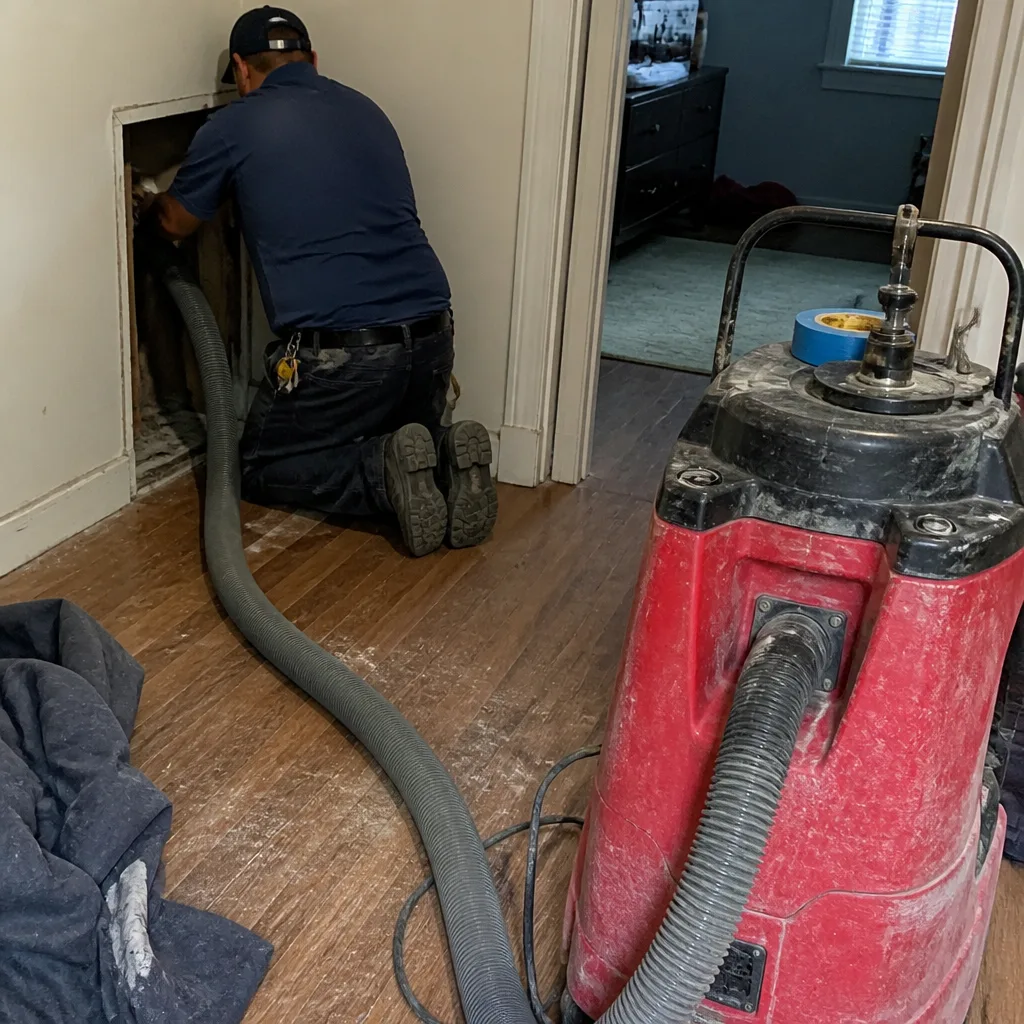 Before
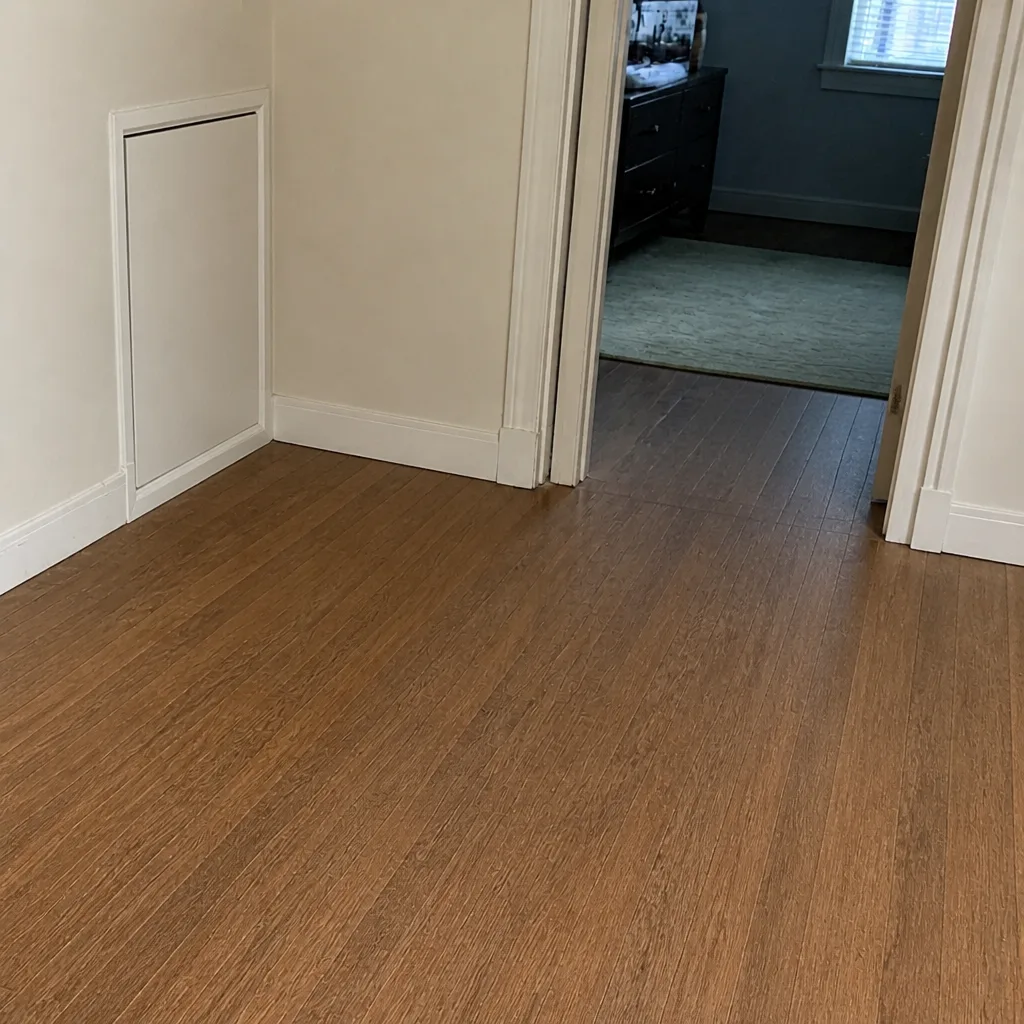 After
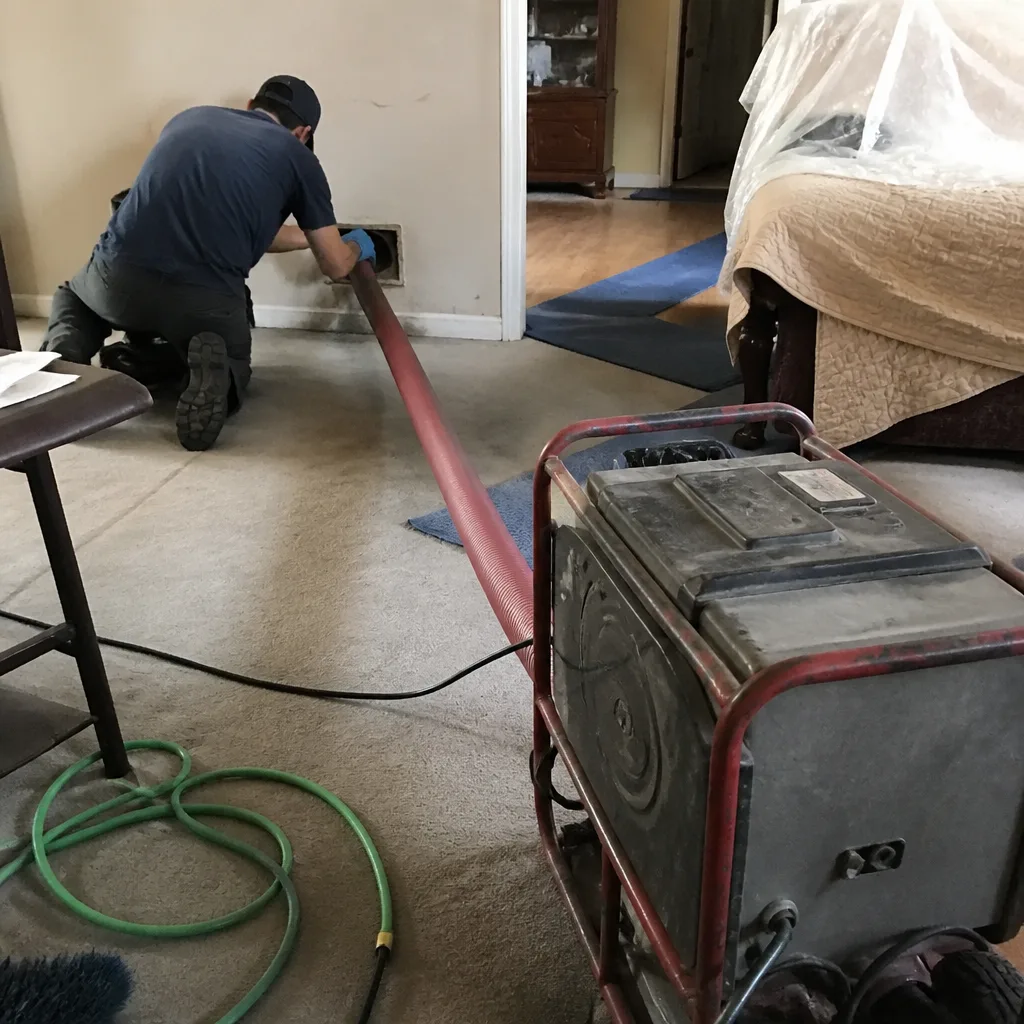 Before
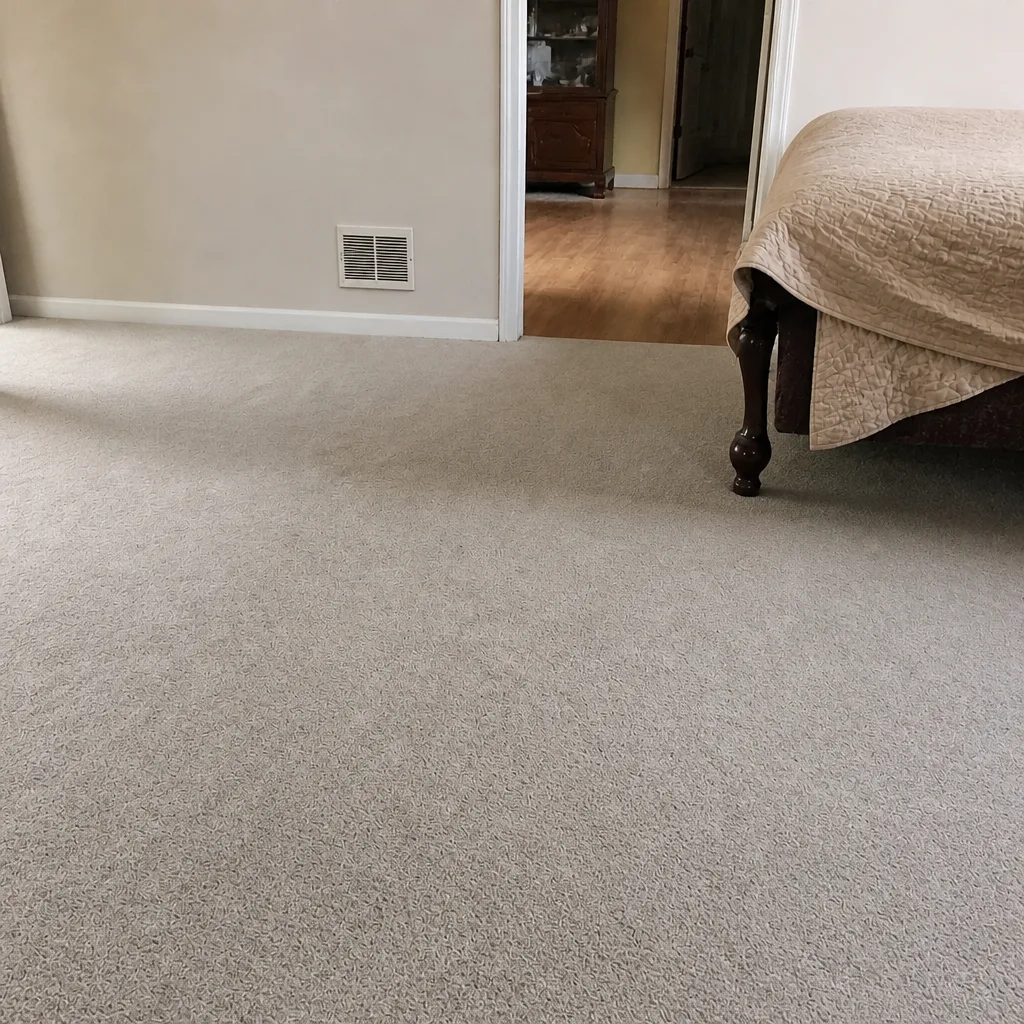 After
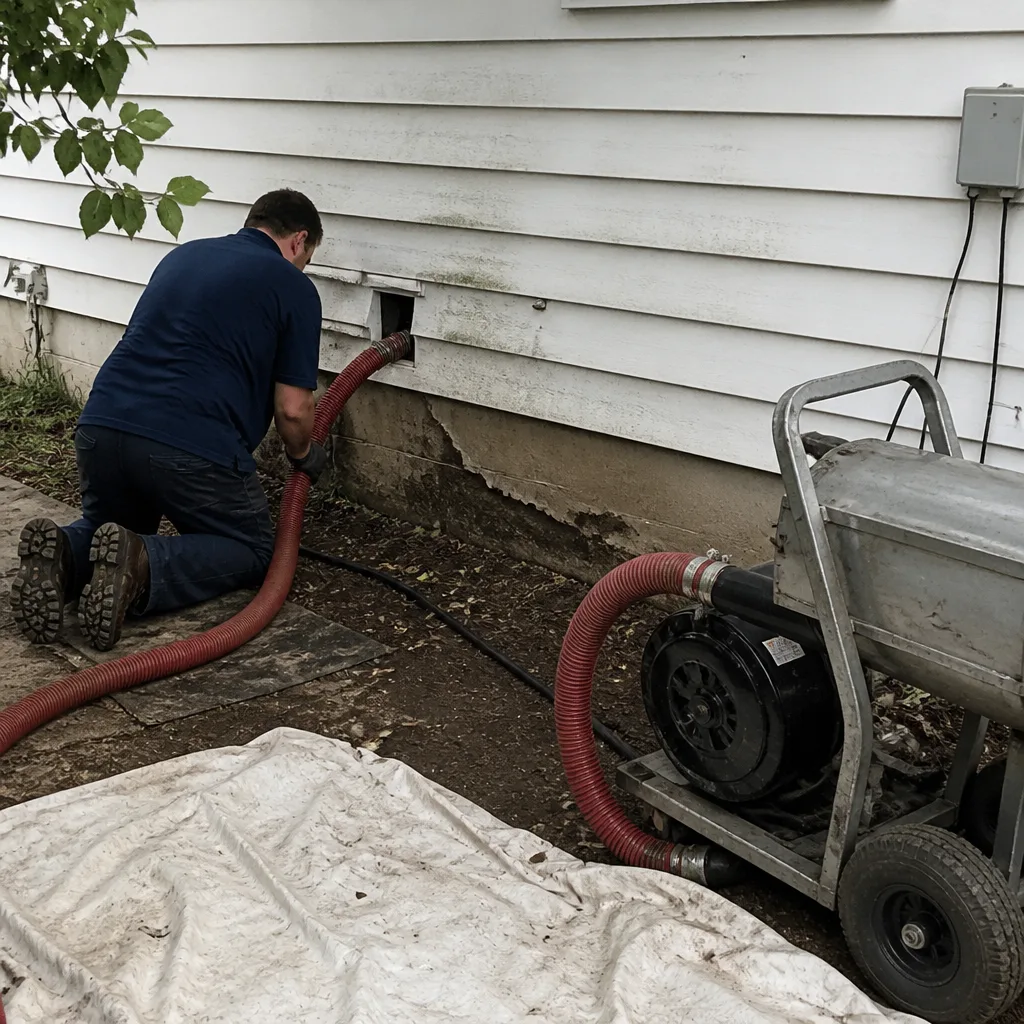 Before
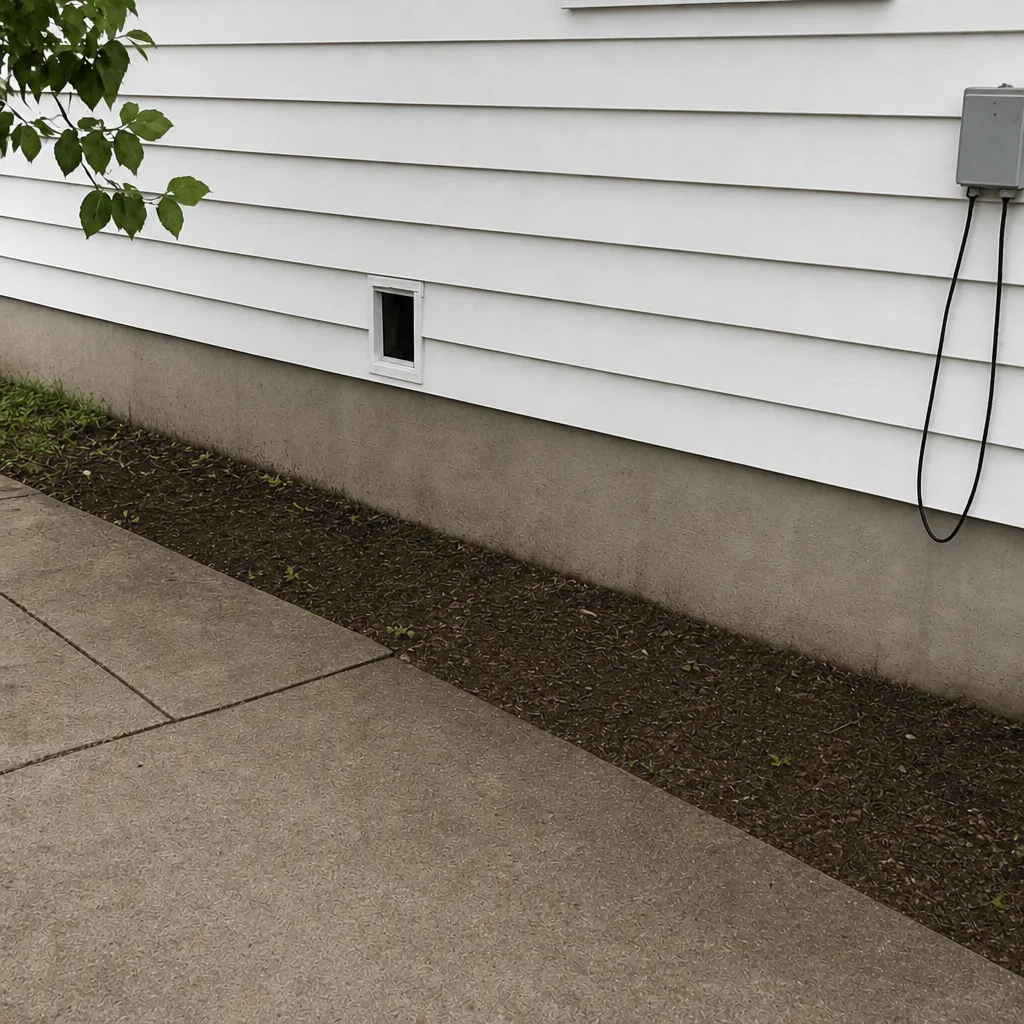 After
When to Call a Professional
Call us when you’ve done the walk-through and you still can’t find the cause. Call when the attic or crawlspace runs are not safely visible, when you can smell moisture in the air, when one room is 8 degrees off the thermostat, or when dust returns to a room within weeks of a cleaning. Call when a dryer vent feels slow to dry a full load. Those are the situations where a technician with a pressure gauge and a HEPA rig finds the problem faster than a series of DIY attempts.
If you’ve already tried re-taping a joint and the leak is back, that’s the point where a mastic-sealed repair makes more sense than another patch. We bring the Rotobrush contact-cleaning gear and the Nikro HEPA vacuum on every job so the repair and the cleaning happen in one visit. St. George Air Duct Cleaning Pros offers free estimates in St. George. Call (888) 848-7351. We answer 24/7. Fast dispatch from 7am to 7pm, Sunday through Friday.
Frequently Asked Questions
Start with a pressure reading and a visual check of the trunk line between the air handler and the upstairs. A steady temperature split almost always means a separated trunk joint or a boot that pulled free, so the supply air is escaping into the attic before it reaches the room. Fix that before you consider a new unit. A sealed trunk often closes the gap on its own. If you want a same-day look at it in St. George, call (888) 848-7351 for a free estimate. We answer 24/7.
Because the return-side breach was never closed before the cleaning happened. If the return duct has a torn jacket or a separated joint, it keeps pulling dust and insulation fibers out of the attic or crawlspace, and the cleaning only removes the layer that was already there. The fix is to seal the breach and then clean. Ask any cleaning company to inspect and seal the return side first.
You can, if the joint is safely reachable, the underlying duct is intact, and the surface is dry. Use foil-backed tape, not cloth tape, and wrap it snugly. But if the joint is in the attic, if the duct material behind the tape is wet, or if the boot has separated from the drywall, a DIY patch will fail on the next humidity swing. Mastic and mechanical fasteners are what actually stay sealed. Call us at (888) 848-7351 and we’ll take a look.
The strongest sign is a musty smell that gets stronger when the blower turns on. That means moisture is inside the airstream somewhere. Next check is to look for a dark ring or condensation on the outer jacket of a duct where it crosses an unconditioned space. If you find active mold growth or pest activity, that’s outside our scope, and we’ll point you to the right specialist. If it’s a wet joint, we can seal it. Call (888) 848-7351 for a free estimate.
Because a St. George climate isn’t steady, it swings. Summer heat and afternoon monsoon humidity, then a cold, dry winter. Every one of those swings expands and contracts the tape and mastic at a joint. An old taped joint takes a small hit each season, and eventually it cracks. That’s why condensation on attic runs and failed joints after a humid stretch are common complaints in town. A mastic-sealed repair holds through those swings far longer than tape does.
Not on the same schedule, no. Dryer vent cleaning is a separate fire-safety service and it deserves its own visit, because the lint load and the airflow path are different from the supply-duct system. We do both as part of our five-service scope, so you don’t need to book a second company. Call (888) 848-7351 for a free estimate. We answer 24/7. Fast dispatch from 7am to 7pm, Sunday through Friday.
The Bottom Line
Most duct complaints in St. George aren’t equipment failures. They’re four specific mechanical conditions with four specific fixes: a collapsed branch line, a separated trunk, a breached return, or a moisture leak at a joint. The DIY check sequence above tells you which one you’re likely dealing with. The order of the fix is what most homeowners get wrong. Seal or repair the breach first, clean the system second, and verify with pressure and visual checks before you pay. If the dust returns within a month, the return side wasn’t closed, and that’s the call to make. Skipping that step is where the money gets wasted.
If the walk-through leaves you with more questions than answers, or if the runs sit in a hot attic you’d rather not crawl through, that’s what we’re set up for. We bring the full diagnostic and cleaning kit, run the fix in the right order, and give you a written estimate before any work starts.
St. George Air Duct Cleaning Pros connects homeowners across St. George with experienced local professionals for St. George Air Duct Cleaning Pros service. Our technicians have up to 11 years of experience, run professional-grade equipment from Rotobrush, Nikro and Abatement Technologies, and work with Honeywell and Aprilaire product systems where a whole-home air quality upgrade makes sense. Call (888) 848-7351 for a free estimate. We answer 24/7. Fast dispatch from 7am to 7pm, Sunday through Friday.
Written by the team at St. George Air Duct Cleaning Pros.