
Last updated November 25, 2026
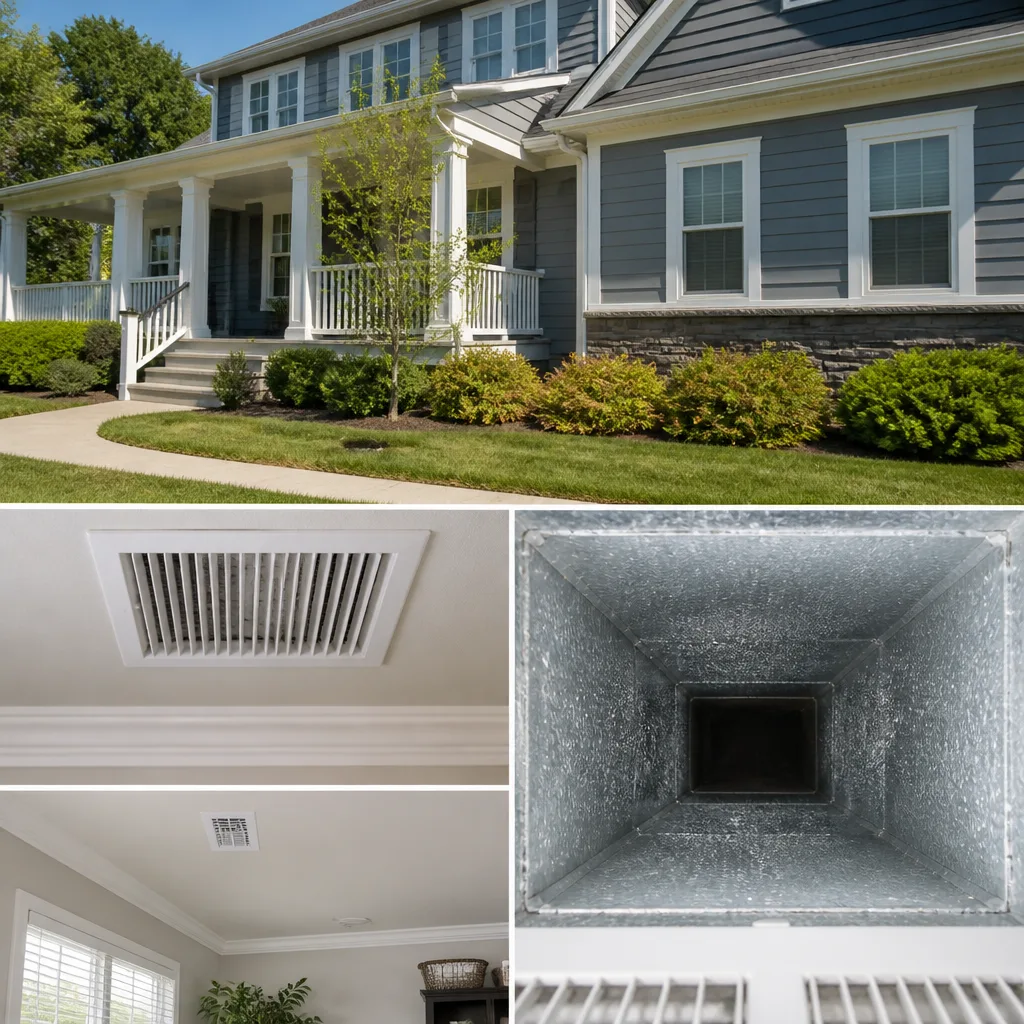 Whole-home duct cleaning
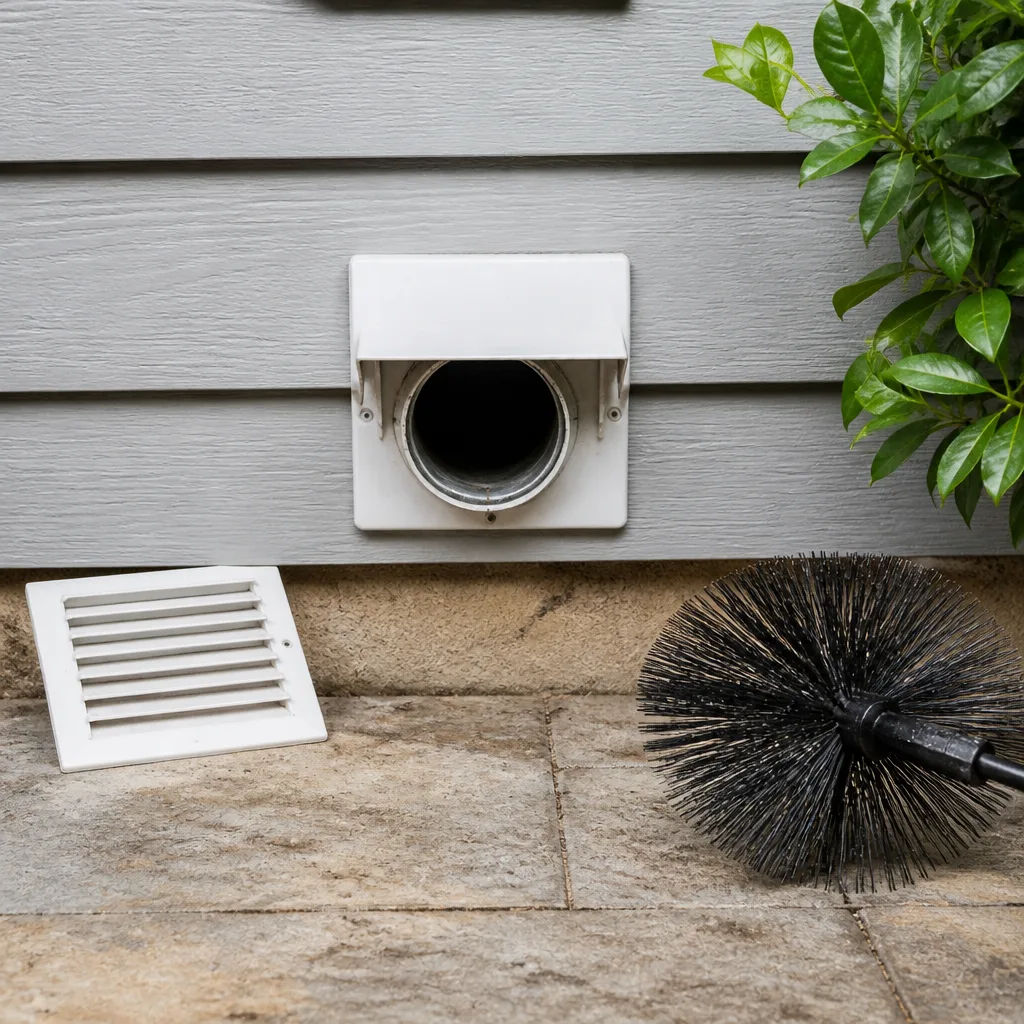 Dryer vent cleaning
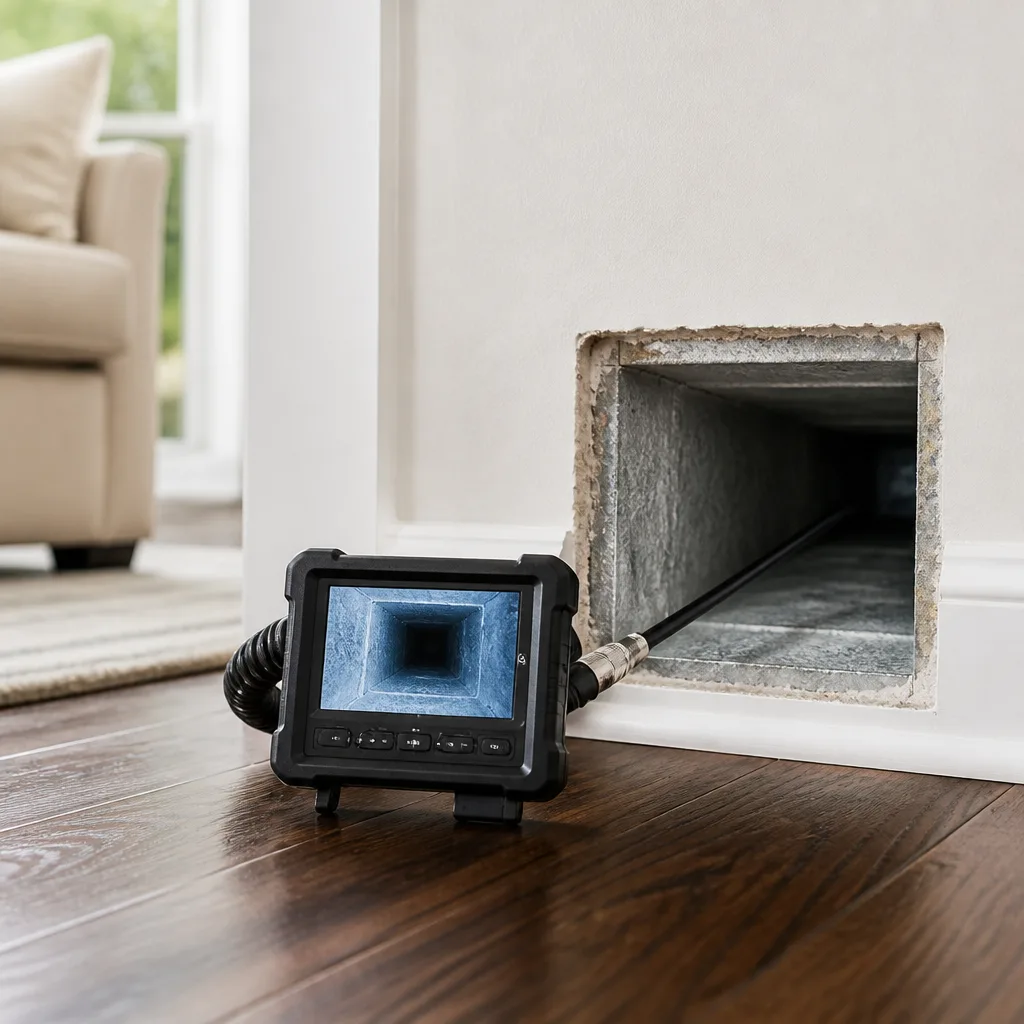 Camera inspection
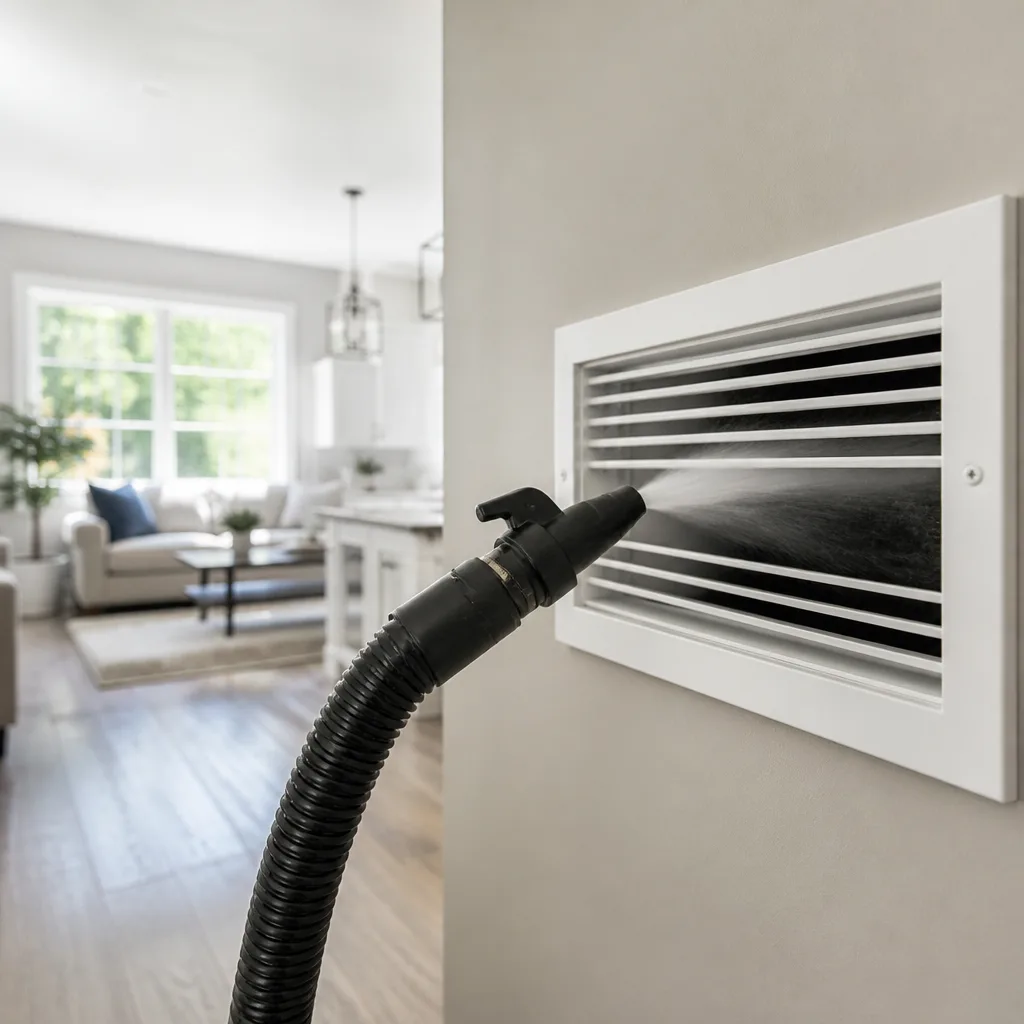 Sanitizing & deodorizing
Whole-system duct and dryer vent check with before-and-after photos - you see exactly what came out of your vents
That "$99 whole-house special" is a bait ad - the real number appears once they are in your hallway, or the "clean" is a shop-vac at the register. We photograph the inside of your ducts before and after instead.
How to Hire an Air Duct Cleaning Contractor in St. George: A Step-by-Step Guide
Asking “are you certified?” tells you almost nothing. In this trade, nearly anyone with a vacuum and a business card can answer yes, and the answer doesn’t reveal whether they’ll actually clean your system or just make a lap around your registers. The more useful question is: “What’s your negative pressure target, and how do you verify you’ve hit it?” That one question separates technicians who understand how a duct system behaves from crews who are selling a surface wipe.
New York puts very little between a homeowner and a bad duct job. Vetting falls to you. This guide walks through what to ask, what to demand in writing, which red flags hide inside a quote, and how to confirm the work was done properly once the van pulls away. We’ll ground it in the realities of St. George homes, from basement mechanicals to the tight access some of these streets present.
Quick Answer
To hire an air duct cleaning contractor in St. George, NY, demand a written scope that follows the NADCA ACR standard, ask about negative pressure and verification, confirm general liability coverage in writing, and refuse per-vent pricing in favor of a flat price per system. Verify the finished job with inspection camera footage or before-and-after photos of the main trunk and return plenum. The right contractor diagnoses the whole air pathway, not just the debris they can reach from a register.
Styles & brands we work with
- Whole-home duct cleaning
- Dryer vent cleaning
- Camera inspection
- Sanitizing & deodorizing
Table of Contents
- Why Duct Cleaning Vetting Falls on You in New York
- The Questions That Actually Separate Good Contractors From Bad
- What the NADCA ACR Standard Language Should Say in Your Written Scope
- Red Flags Hidden Inside a Duct Cleaning Quote
- Truck-Mounted vs. Portable Equipment: What St. George Access Demands
- How to Confirm the Work Was Actually Done
- Insurance and Liability Questions Specific to NY Contractors in Occupied Homes
- Why Duct Cleaning Alone Rarely Solves the Problem
Why Duct Cleaning Vetting Falls on You in New York
New York has no statewide license requirement for air duct cleaning. That means the burden of checking a contractor’s competence, insurance, and methodology sits entirely on the homeowner. A van with a logo and a phone number proves nothing. In most other trades you can at least look up a license number through the state; for duct work, there’s often nothing to look up.
What fills that gap is voluntary certification and standards. The National Air Duct Cleaners Association, NADCA, publishes the ACR standard (Assessment, Cleaning, and Restoration of HVAC Systems). A contractor who works to that standard is telling you something specific about method and accountability. A contractor who isn’t aware of it usually falls into one of two camps: a generalist who added duct cleaning to a menu, or an operator whose entire model depends on speed.
In St. George, that gap plays out in a housing stock with real variation. Some homes have a full basement with clean mechanical access. Others have crawl spaces and duct runs that climb into warm attic zones, where a system loses efficiency long before dust becomes the visible issue. A contractor who shows up expecting a one-size routine will miss half of what’s actually happening. We’ve seen enough of these systems to say it plainly: the homes that benefit most from a real cleaning are often the ones where a quick pass would look “done.”
There’s also the climate angle. St. George summers put real load on a cooling system, and long runtimes pull air through every seam in the ductwork. If ducts are leaky or unsealed, you’re not just moving dust around, you’re paying to condition air that never reaches a room. That’s why the vetting conversation should reach beyond “do you clean ducts” into “do you understand what’s causing the problem.”
The Questions That Actually Separate Good Contractors From Bad
Most homeowners ask whether the contractor is “certified” and whether the price is “reasonable.” Both questions are too easy to game. Ask these instead, and listen for whether the answer is technical or rehearsed.
- “What’s your negative pressure target when you clean, and how do you measure it?” A real answer involves maintaining negative pressure inside the duct system so dislodged debris goes into the collection unit, not into the living space. A vague answer means they haven’t thought about containment.
- “Do you clean the supply and return sides, the plenum, the blower, and the coil?” A full-system cleaning covers the air handler, both plenums, and every branch run. If the answer is “we do the vents,” that’s a surface job.
- “What equipment do you bring?” Look for source-of-truth answers: negative-air machines, HEPA filtration, contact-cleaning tools that actually agitate the duct wall. Brands like Rotobrush and Nikro come up in serious shops because the equipment is built for the job, not for the marketing photo.
- “How do you document before and after?” The right answer includes photos or camera footage of the interior of the duct, not just a list of vents they opened.
- “What’s your pricing structure – per vent or per system?” Per-vent pricing tells you the business model rewards speed. A flat price per system tells you the work is scoped, not counted.
- “Can you provide a certificate of liability insurance naming the homeowner?” If that request stalls, walk.
- “What does your written scope include, and what’s excluded?” The exclusions matter as much as the inclusions. A written scope that says “cleaning per NADCA ACR” with a list of components is a serious document.
- “If you find a disconnected or crushed duct, what happens next?” A real air-pathway contractor repairs and seals. A cleaner-and-leave operation refers you elsewhere or ignores it.
Ask these on the phone before anyone comes out. The way a contractor handles a technical question over the phone is a good preview of how they’ll handle the job. When we talk with St. George homeowners, we’d rather spend fifteen minutes on the phone than have anyone surprised on the day of service.
What the NADCA ACR Standard Language Should Say in Your Written Scope
Before any work begins, you should have a written document that names the standard and lists the components being cleaned. “We’ll clean your ducts” is not a scope. Here’s the language to look for and the elements any serious scope should include:
- Reference to the NADCA ACR standard by name. It should say the work follows “Assessment, Cleaning, and Restoration of HVAC Systems, ACR 2021” or the current edition. If the standard isn’t named, the work isn’t being measured against anything.
- A component-by-component list. Supply and return trunks, all branch runs, supply and return plenums, air handler cabinet, blower wheel, evaporator coil, and registers. Each should be named and marked “clean,” “inspect only,” or “excluded.”
- Containment and negative pressure. The scope should specify that the system will be placed under negative pressure during cleaning, and that HEPA filtration will be used at the collection point.
- Agitation method. Contact cleaning with rotary brushes or air whips that mechanically disturb the duct wall, not just vacuum pull.
- Verification step. A stated inspection method: camera footage, before-and-after photos, or a written post-cleaning walkthrough with you present.
- Restoration clause. Any access holes cut for cleaning must be sealed and insulated afterward. This should be in the scope, not an afterthought.
- Excluded items in writing. If they don’t touch the coil or the blower, that should be a stated exclusion so you know what’s left undone.
A written scope of this kind isn’t a legal nicety. It’s the difference between a document you can hold someone to and a verbal promise. In a trade without licensing, that document is the only real protection you have. Our air duct cleaning scope is built this way, and any operator you consider should be able to produce something similar without being asked twice.
Red Flags Hidden Inside a Duct Cleaning Quote
The quote itself often telegraphs the business model. Read it slowly and look for these signals:
- Per-vent pricing. A quote built on a price-per-register pushes the crew toward speed. The more vents in an hour, the more they earn. It also punishes a homeowner whose home has fourteen registers instead of eight, which has nothing to do with effort.
- A very low teaser number with no scope attached. If the number is dramatically lower than others, something in the scope is missing, usually the plenum, coil, and blower. Those are the components where real problems live.
- Upsell pressure once the technician is inside. “Your ducts are much worse than we thought, that’ll be extra” is a classic. The right contractor sets one flat price per system before work starts and holds it.
- No mention of negative pressure or HEPA filtration. If the equipment list is vague, the containment probably is too. That’s a dust-in-the-living-room risk.
- No before-and-after documentation offered. A contractor who expects you to take their word for it is asking too much.
- No addressable scope for duct repair. If the answer to “what if you find a disconnected duct?” is “we don’t handle that,” you’ll be left with a cleaned system that still loses air.
- Pressure to sign or schedule on the first call. Fair quotes don’t expire in an afternoon.
None of these flags exist in isolation. One or two can appear from an honest operator having a bad day on the phone. A pattern of four or more means the quote is structured to make the visit profitable, not to make the system clean. In a place like St. George, where a lot of quotes circulate in the same neighborhoods, a homeowner who reads two quotes carefully can usually spot the pattern quickly.
Truck-Mounted vs. Portable Equipment: What St. George Access Demands
Truck-mounted units move serious air and pull strong negative pressure, but they need a workable hose run from the vehicle to the duct system. That’s fine on a suburban driveway and impossible when there’s no legal place to park within hose distance. In dense St. George blocks and along streets where no-parking rules are enforced or driveways are narrow, a fully truck-mounted setup simply can’t reach the system.
That’s why a serious contractor carries both. A portable unit with professional-grade HEPA filtration, paired with a proper contact-cleaning tool and strong agitation, will handle tight-access systems cleanly. The key is that the portable equipment has to be professional-grade, not the consumer vacuum at the hardware store.
The equipment tells you a lot. Rotobrush contact-cleaning systems are built around rotary agitation combined with vacuum, so the duct wall actually gets disturbed. Nikro HEPA vacuums deliver the filtration and suction required for containment. Abatement Technologies provides air scrubbers that serious restoration contractors use after the cleaning to filter the air in the work area.
If the answer to “what equipment do you use” is a brand you’ve never heard of, that’s not automatically disqualifying, but ask what the unit is rated for. If the answer is “oh, we’ve got everything,” that’s a warning. When we work with St. George homeowners, we’re clear about what we bring and why, and about whether a truck-mount or a portable unit is right for the access at that particular home. Understanding the limits of each setup is part of knowing the trade.
How to Confirm the Work Was Actually Done
The reason this matters so much is simple: once the crew leaves, the inside of your ducts is invisible. You can’t see whether the trunk was scrubbed or just vacuumed. Verification has to be part of the scope, or you’re relying on trust.
Ask for these before you book:
- Inspection camera footage of the main trunk and return plenum. A real air-pathway contractor will photograph or record the interior of the primary duct sections before and after. Ask to see the footage yourself, not a summary.
- Before-and-after photos of every register and key duct section. Ask for the photos to be taken the day of the work, on your system, tagged with the address or job number.
- A post-cleaning walkthrough with you present. A quick, informed walkthrough covers the blower wheel, coil, and access points. You should be able to look inside at least one access panel and see clean metal.
- Confirmation that access holes were sealed. Any hole cut for cleaning must be sealed and insulated, or you’ve gained clean ducts but added a leak.
- The scope marked as completed. The written scope from step one should be returned to you with each item signed off by the technician. That document is your record.
A contractor who documents this well is doing it because they expect to be checked. That expectation is exactly the pressure that produces a good job. Ask about it up front, and ask to see the record.
Insurance and Liability Questions Specific to NY Contractors in Occupied Homes
Duct cleaning happens inside a home you’re living in, often over carpet and furniture, sometimes near sensitive electronics. General liability insurance is what stands between you and the cost of a broken component, a damaged ceiling, or a dust event that requires professional cleanup.
Ask for a certificate of liability insurance that names you as certificate holder. That means if something goes wrong, the policy is on record for the job at your address. It isn’t the same as a contractor saying “we’re insured,” and it’s not the same as a workforce compensation certificate. Duct work specifically needs liability coverage because the equipment can touch ceilings, walls, and HVAC components.
Ask what happens if the coil is damaged during cleaning, and confirm the answer in writing. Ask whether the contract includes a workmanship guarantee and how long it runs. A contractor working inside occupied homes in NY should be able to answer all this without hesitation.
Homeowners sometimes skip this step because the quote is competitive. That’s exactly when the cost of the insurance becomes the reason to slow down. A quote without verified coverage isn’t a cheaper job; it’s a job with the risk shifted onto you. Our St. George Air Duct Cleaning Pros team treats insurance verification as a routine part of the estimate conversation, not an awkward request.
Why Duct Cleaning Alone Rarely Solves the Problem
Cleaning removes what’s in the ductwork. It doesn’t fix what’s wrong with the ductwork. Those are different problems, and in St. George they often show up together. A duct run with a disconnected joint, a crushed flex section, or a plenum seam that was never sealed will keep pulling attic air or crawl-space air into the system, no matter how well it was cleaned.
This is where duct repair and sealing belongs in the same visit as cleaning. Ask your contractor whether they scope the system for leaks and disconnected runs. If they don’t, you’re getting half the job.
Air quality sanitizing is the next layer. After cleaning and sealing, sanitizing treats the surfaces where microbial growth can settle, and filtration products from Honeywell and Aprilaire can manage particulate and humidity more broadly across the home. Guardsman products come up when a contractor is discussing the respiratory picture of a specific system. None of this is a substitute for fixing leaks. All of it belongs in a conversation about the whole air pathway.
There’s also dryer vent cleaning to consider, which is a fire safety service, not a maintenance nicety. Lint accumulation inside a dryer vent is a documented cause of residential fires, and the fix is a proper vent cleaning done by someone who can inspect the full run. A company that handles all of these in one scope means one visit rather than three vendors. If your duct system needs a full mechanical attention, pair cleaning with HVAC cleaning in the same visit.
Common Mistakes to Avoid
- Accepting per-vent pricing because it sounds transparent. Per-vent pricing rewards speed. Ask for a flat price per system, and treat it as a sign of a scoped job.
- Trusting a verbal scope. In a trade without NY licensing, the written document is the only thing you can hold anyone to. Ask for NADCA ACR language and a component list before booking.
- Skipping the insurance certificate. “We’re insured” is not a certificate of liability. Ask for the document with you named.
- Assuming cleaning is the end of the job. Cleaning doesn’t seal leaks. If the scope doesn’t include duct repair and sealing as an option, the air loss continues after the crew leaves.
- Not asking to see verification footage. Photos and inspection camera footage are standard for a serious contractor. Not being offered them is the mistake most homeowners make.
- Waiting until the system is obviously failing. By the time dust is visible or allergy symptoms flare, the system already has a problem. A walkthrough before the season’s peak load in St. George prevents surprises.
- Treating dryer vent cleaning as optional. It’s a fire safety item, not an upsell. Schedule it alongside a duct visit if the run hasn’t been checked.
See the difference
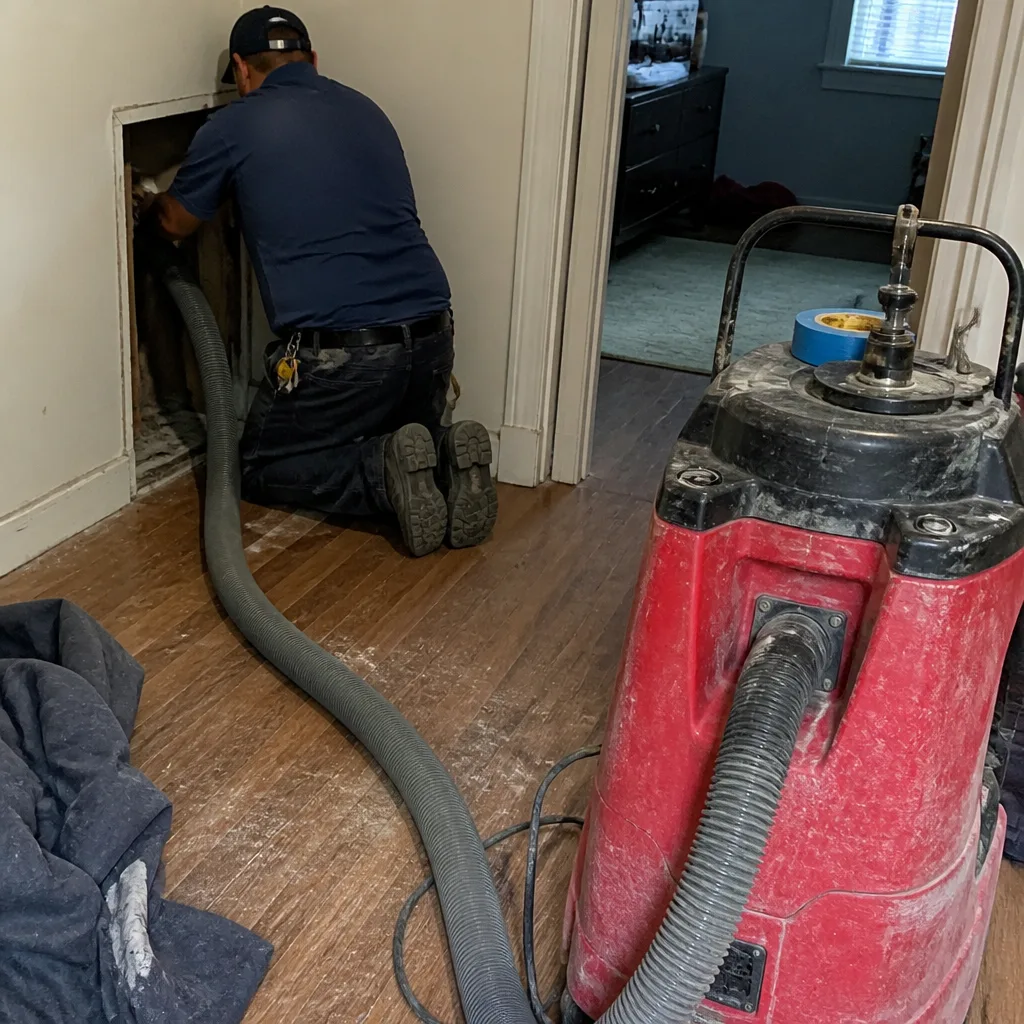 Before
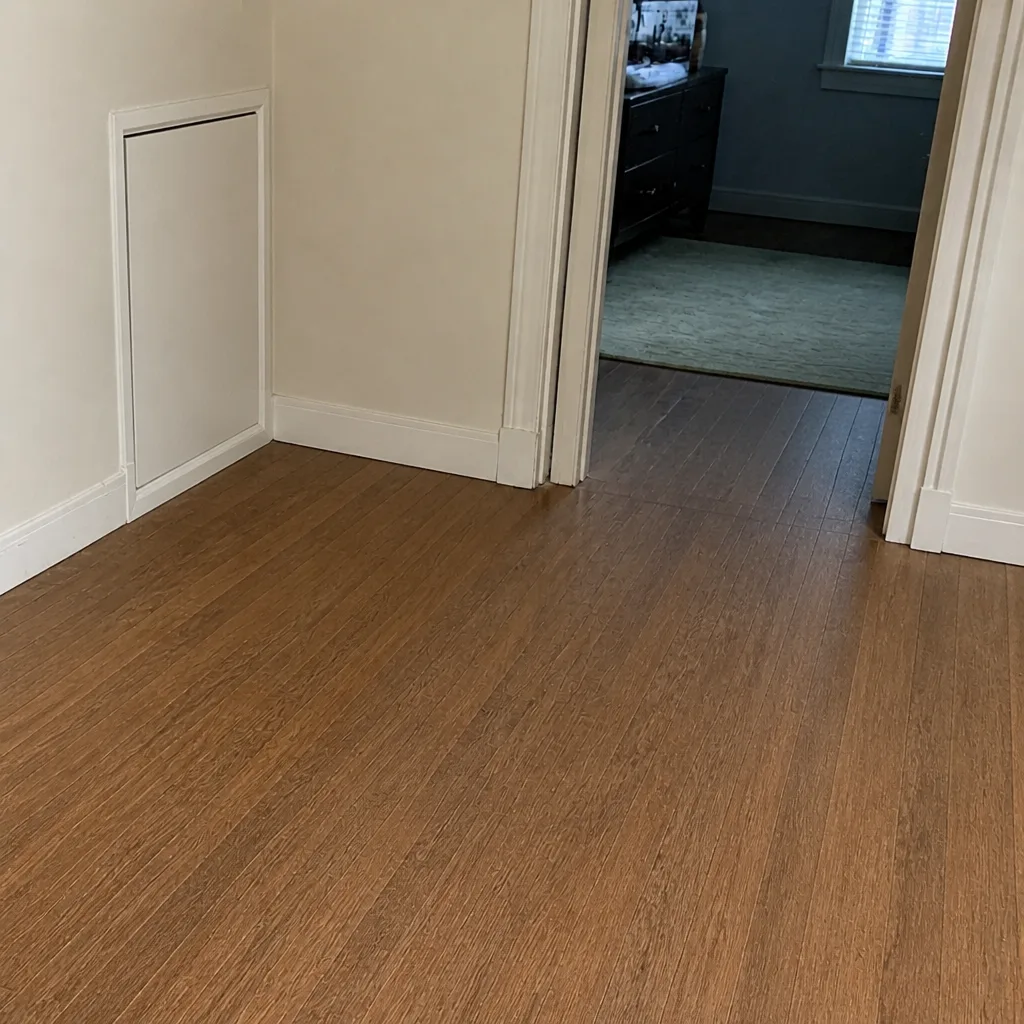 After
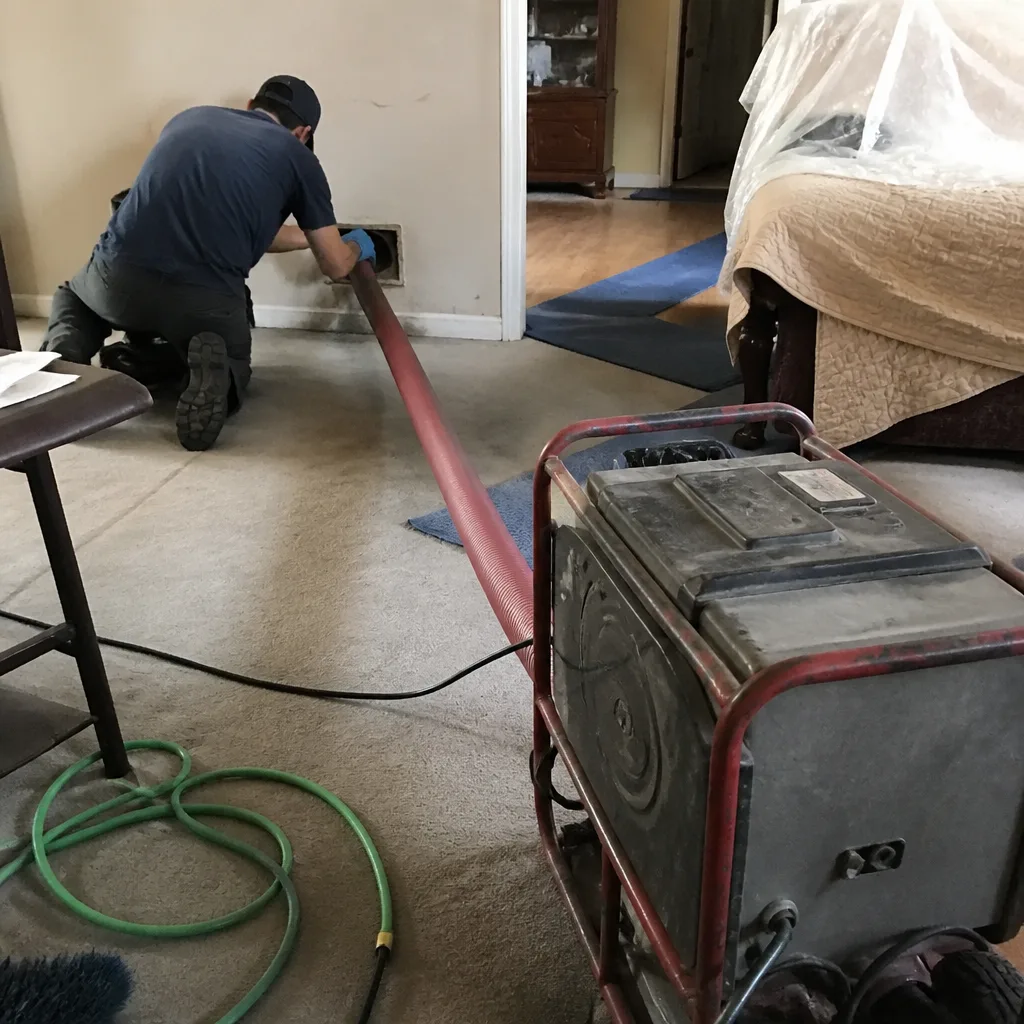 Before
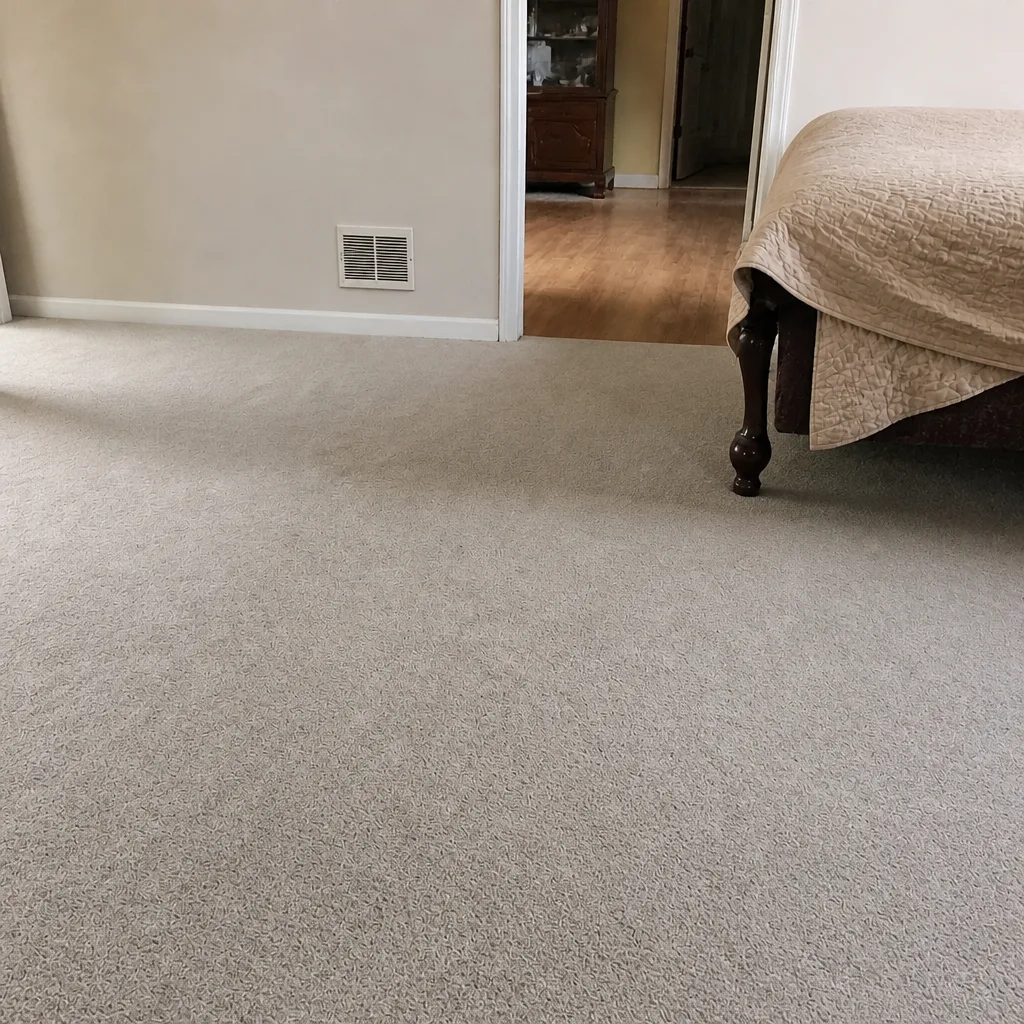 After
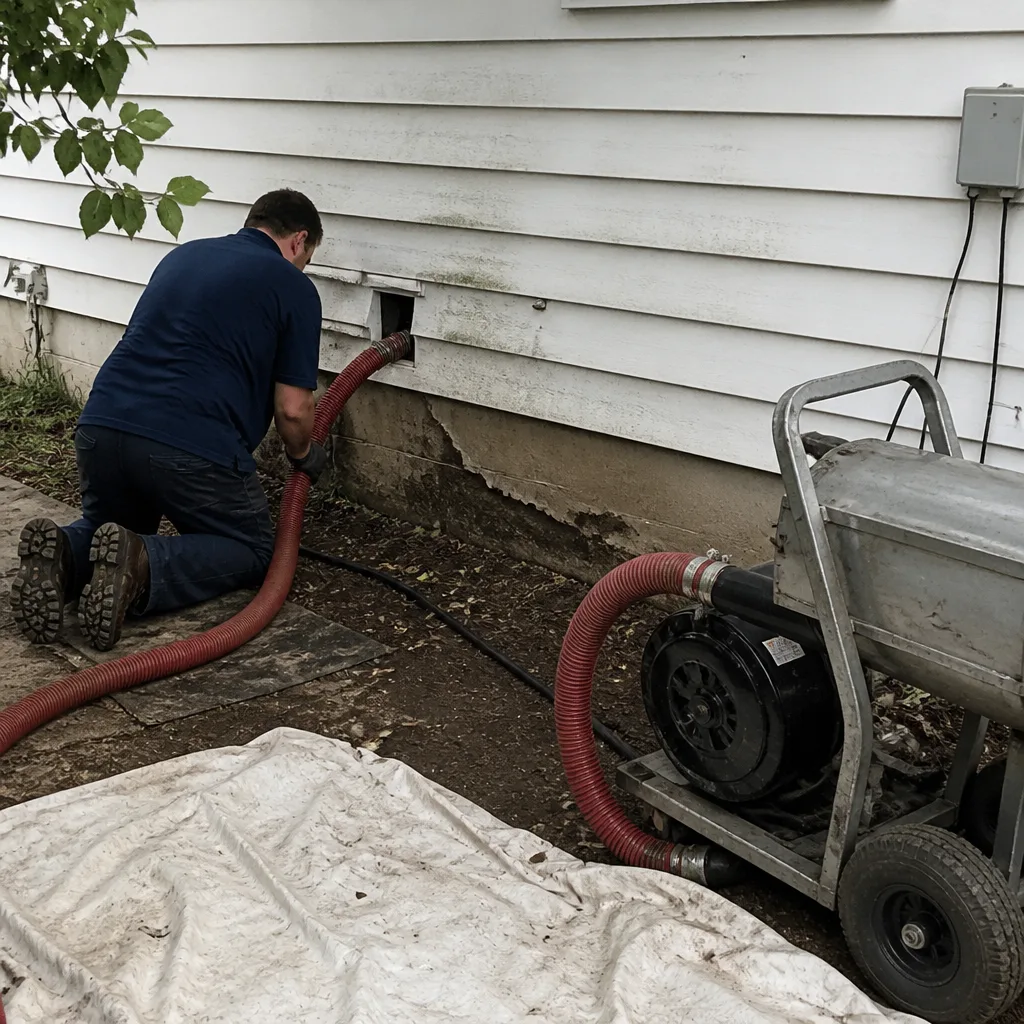 Before
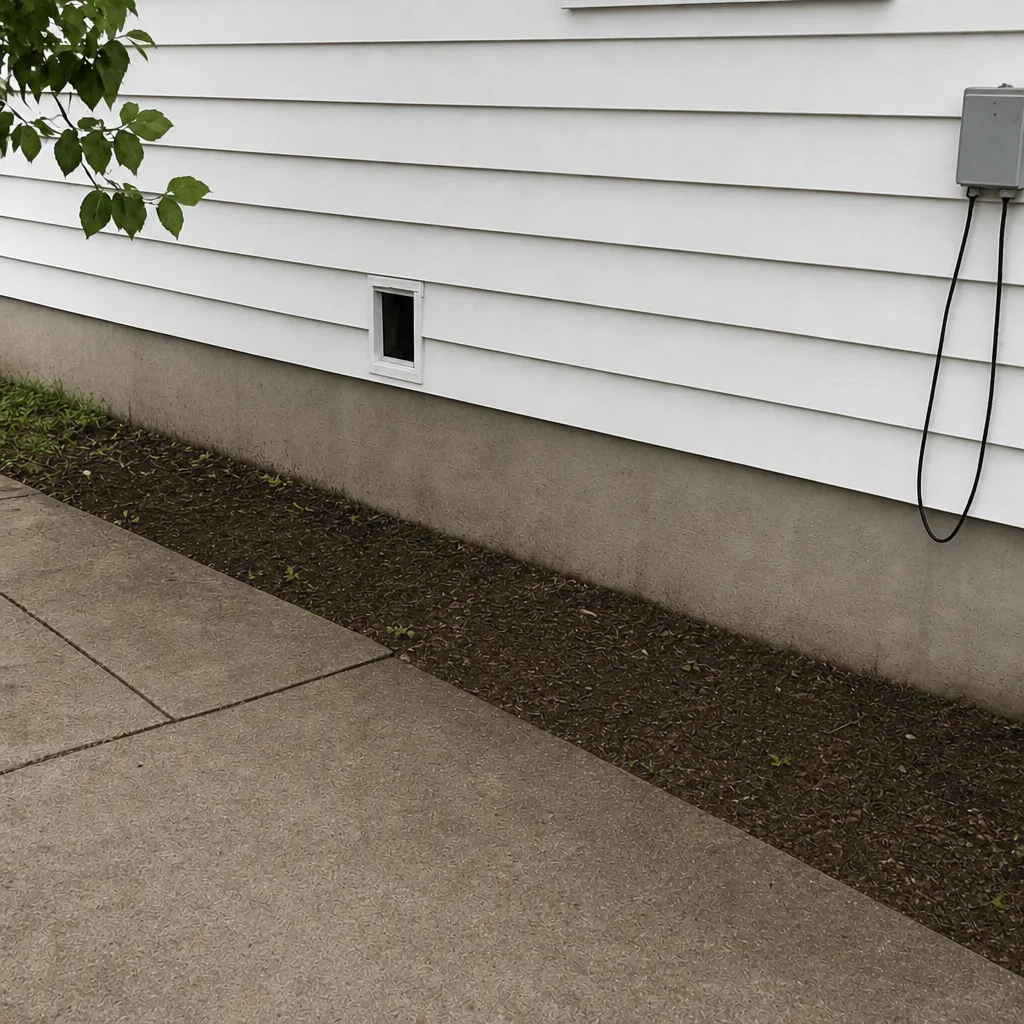 After
When to Call a Professional
Some symptoms clearly point to a system issue that needs a trained eye rather than a vacuum. Visible dust from registers when the system runs. A persistent musty smell every time the air kicks on. A spike in allergy or asthma symptoms that tracks with HVAC use. Rooms that are noticeably hotter or colder than the rest of the home, which often points to leaky or disconnected ducts. A dryer that takes longer than it used to, which can signal a lint-clogged vent.
If the system hasn’t been checked in a few years and you’re not sure of the condition, a walkthrough is worth it. St. George Air Duct Cleaning Pros offers free estimates in St. George – call (888) 848-7351 to schedule a walkthrough. Our technicians have up to 11 years of experience reading these systems, and they’ll tell you honestly whether a cleaning will solve the problem or if the ducts need repair and sealing first. We answer 24/7. Fast dispatch from 7am to 7pm, Sunday through Friday.
Frequently Asked Questions
Air duct cleaning in St. George is priced per system, not per vent, and the range depends on system size, the number of branch runs, and whether repair and sealing are part of the scope. The flat price is set by a written estimate before work begins, not by a coupon that gets upsized on the day of the visit. Call (888) 848-7351 for an exact quote – estimates are free.
New York does not require a state license for air duct cleaning. What fills the gap is voluntary certification and a written scope that follows the NADCA ACR standard. Ask for the standard by name in writing, and ask about negative pressure and HEPA filtration. If those come up naturally in the conversation, that’s a good sign. Call (888) 848-7351 if you’d like to talk through the standards.
A serious contractor provides inspection camera footage and before-and-after photos of the main trunk and return plenum, then walks you through the work while you can still see the access points. Ask to see the footage yourself before final payment. Call (888) 848-7351 and request to see verification documentation as part of the quote.
The cheapest quote in the pile is usually missing something from the scope: often the plenum, the coil, the blower wheel, or the negative pressure equipment that keeps dust out of the living space. The low number is where the pitch begins, and the upsell comes once the technician is inside. Flat pricing per system with a written scope is the pricing structure that holds. Call (888) 848-7351 to get a scoped estimate.
Most homes need it every few years, but the real trigger is what the system shows when you inspect it: visible dust at the registers, musty smell when the air kicks on, or a recent renovation that pulled debris through the return. Homes with pets, allergy-sensitive occupants, or a recent move need a walkthrough sooner. Call (888) 848-7351 for a no-pressure assessment.
Truck-mounted units pull strong suction but need a hose run to the system, which fails on crowded streets and narrow driveways. A professional-grade portable setup with HEPA filtration and contact cleaning handles tight access better. A contractor carrying both is ready for either. Call (888) 848-7351 to ask which setup fits your home.
The Bottom Line
Hiring a duct cleaning contractor in St. George comes down to a short list of questions that separate a real job from a surface pass: negative pressure target, verification method, written NADCA ACR scope, insurance certificate, and a flat price per system. The quotes that skip those specifics are usually the ones that turn into upsells once the technician is standing in your hallway. The contractors who make them central to the conversation are usually the ones who treat the whole air pathway, cleaning and repair, as one job. That’s the standard we work to. Written by the team at St. George Air Duct Cleaning Pros.
Call (888) 848-7351. We answer 24/7. Fast dispatch from 7am to 7pm, Sunday through Friday.