
Last updated November 25, 2026
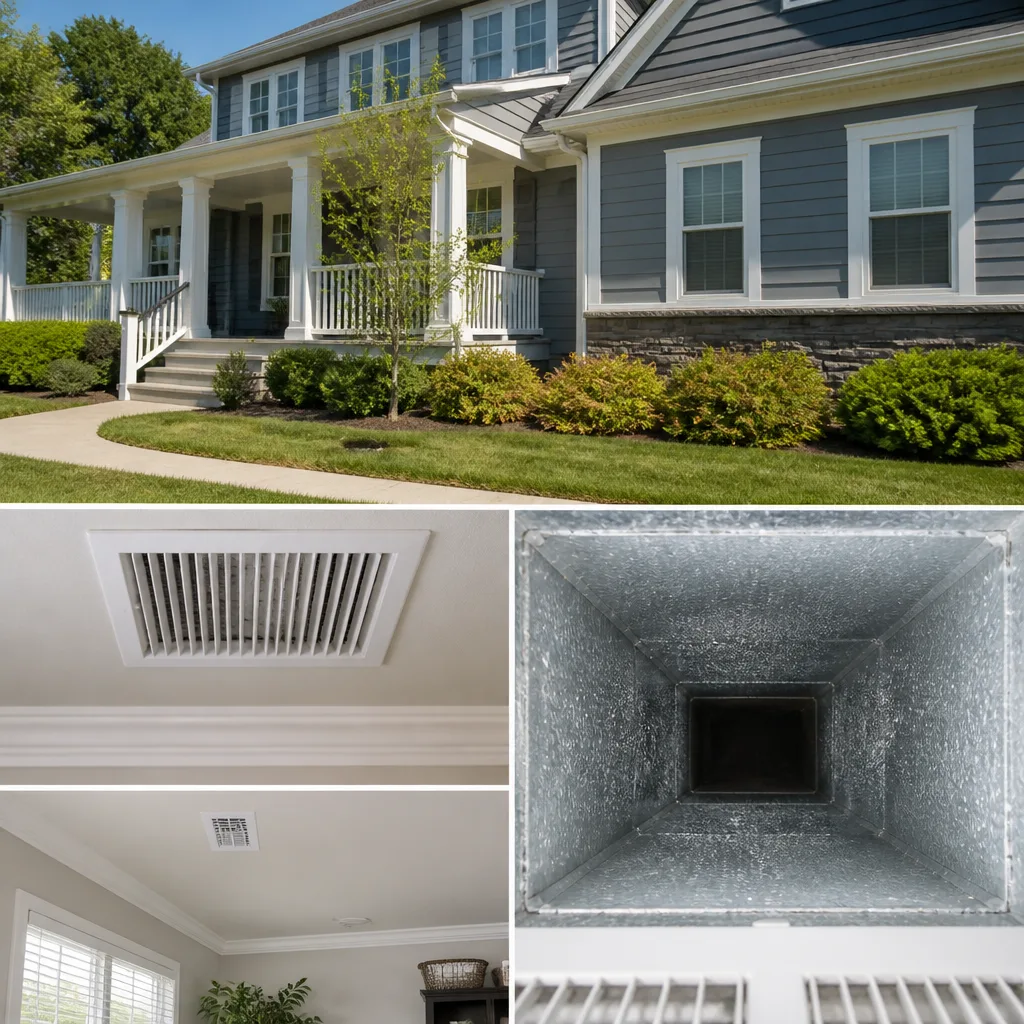 Whole-home duct cleaning
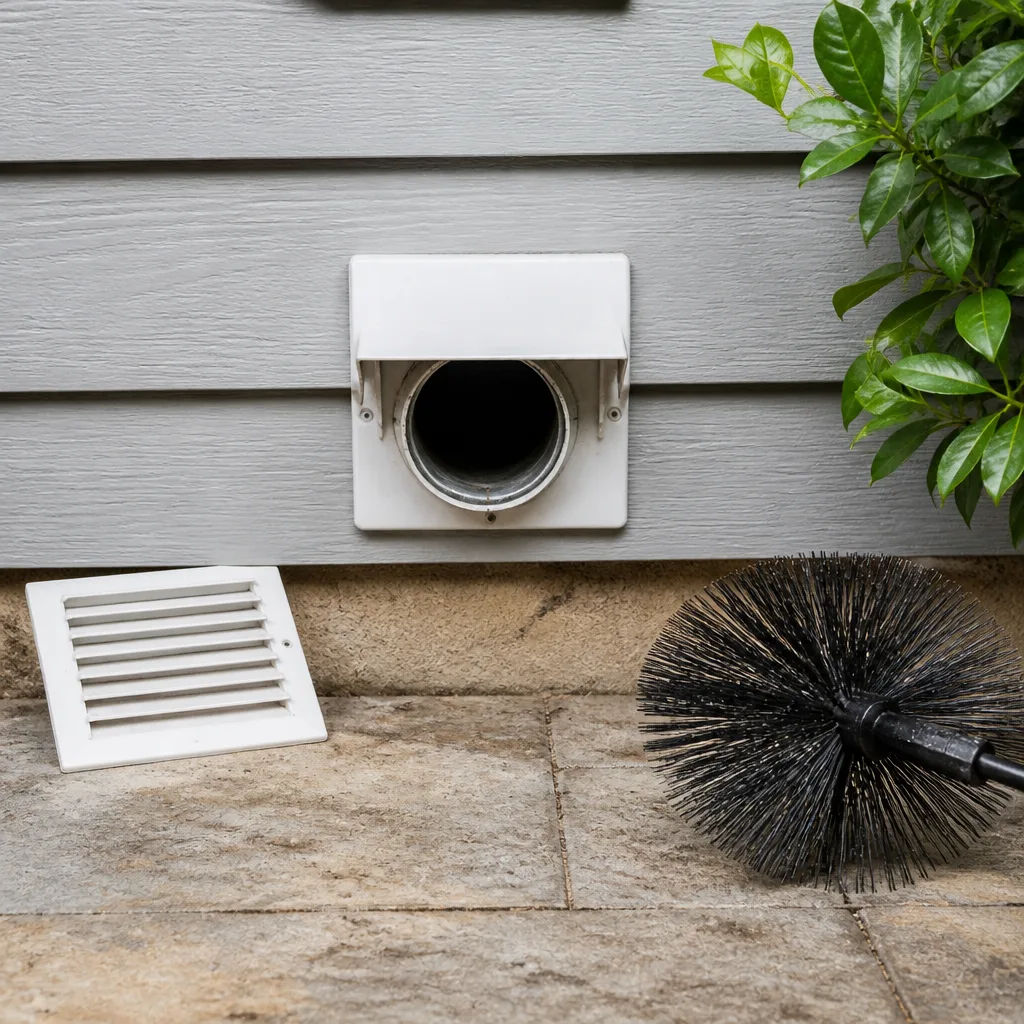 Dryer vent cleaning
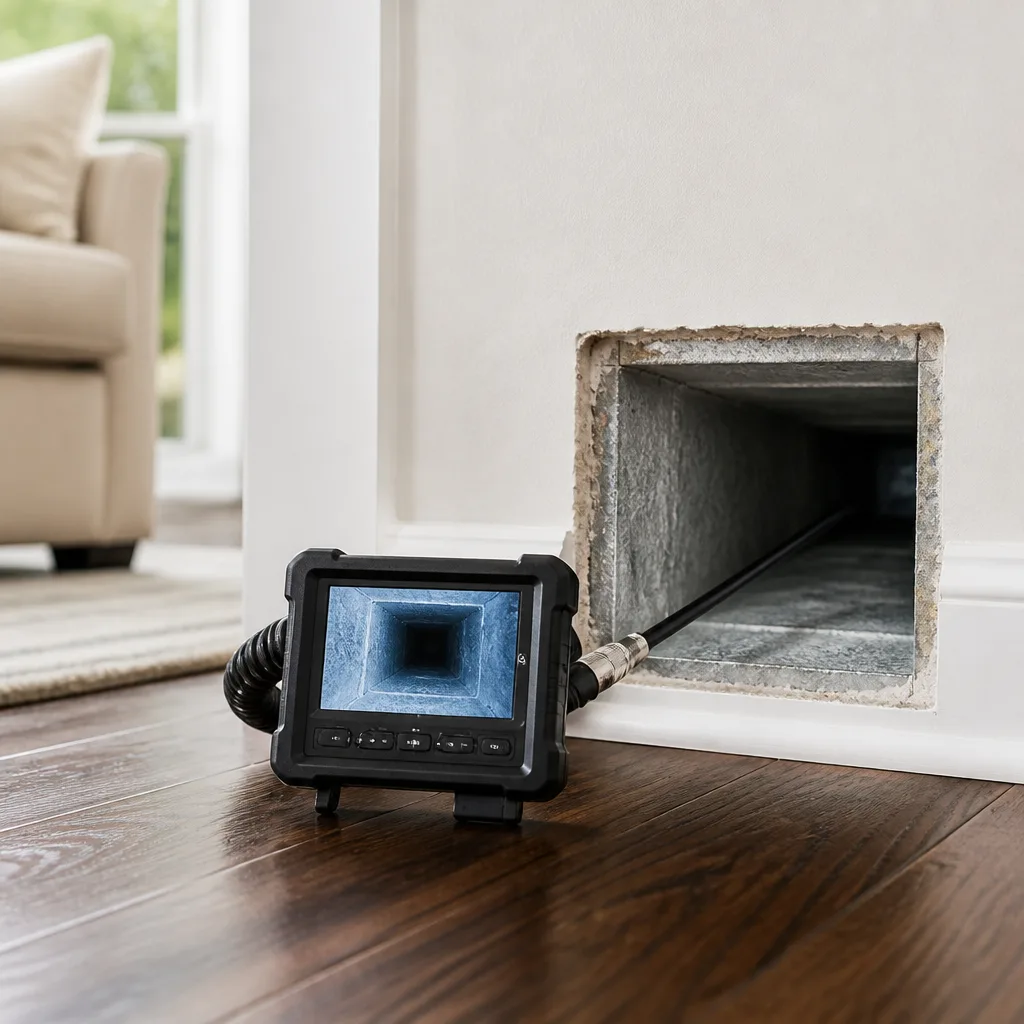 Camera inspection
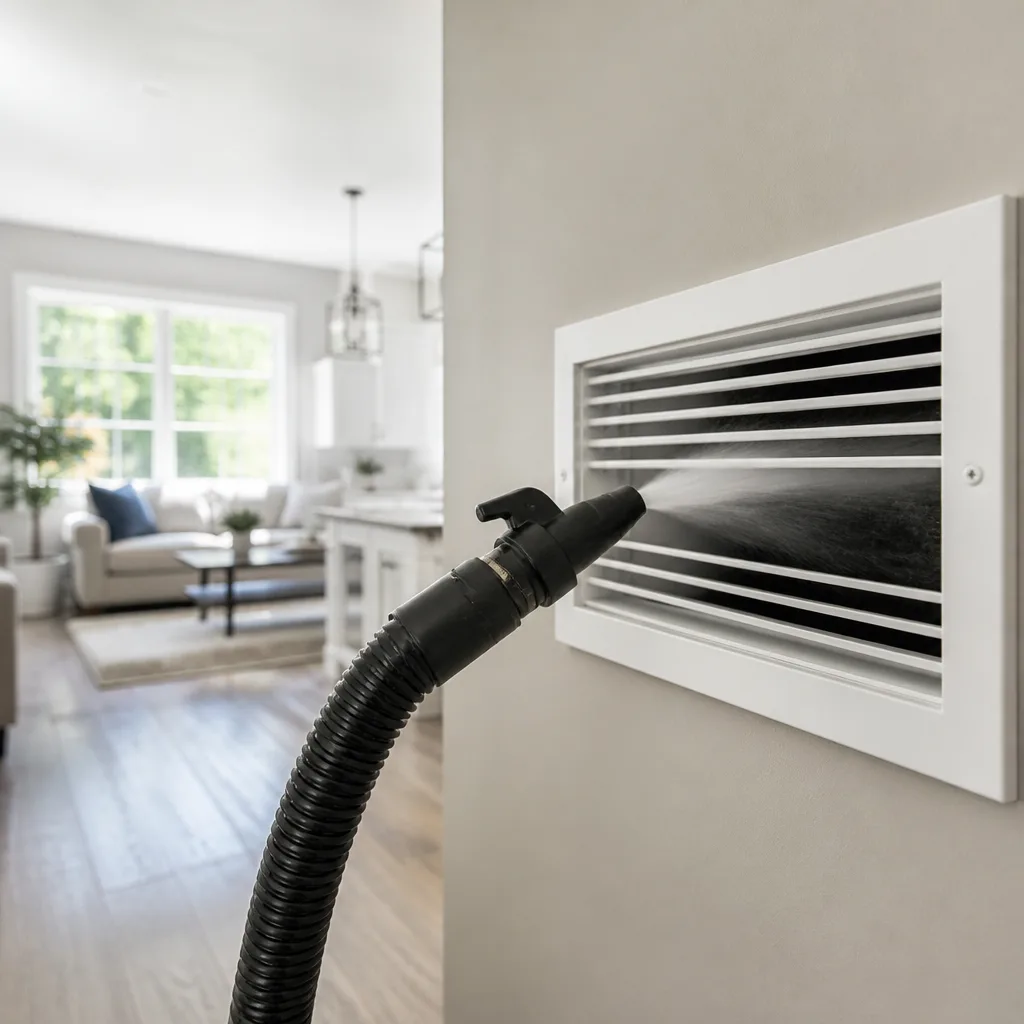 Sanitizing & deodorizing
Whole-system duct and dryer vent check with before-and-after photos - you see exactly what came out of your vents
That "$99 whole-house special" is a bait ad - the real number appears once they are in your hallway, or the "clean" is a shop-vac at the register. We photograph the inside of your ducts before and after instead.
Air Duct Cleaning Emergency Preparedness Guide for St. George Homes
After a basement flood, most homeowners worry first about the water. That instinct misses something that matters more for what you’ll breathe for months: if the HVAC system ran during or after the flooding, it may have pushed mold spores into every room before the sump pump finished its job. Your ducts are part of the emergency, not a detail to handle later. In St. George, where humid summers and storm-driven outages line up at the wrong time of year, this matters more than most people realize. This guide covers what to do with your air system after flooding, fire and extended power loss, what to document for your insurer, and how emergency response differs from restoration cleaning.
Quick Answer
If your home has been through a flood, fire or a long power outage, the HVAC and duct system is a contamination pathway, not just an appliance. Shut the system down, keep it off until a professional inspects it, and document the condition of ducts and equipment before anyone cleans anything. Emergency response stops the contamination from spreading; restoration cleaning returns the system to safe operation, and those two jobs often fall to different contractors.
Styles & brands we work with
- Whole-home duct cleaning
- Dryer vent cleaning
- Camera inspection
- Sanitizing & deodorizing
Table of Contents
- Flood Events: The HVAC and Duct Shutdown Protocol
- Fire and Smoke Events: Why the HVAC Belongs in Remediation
- Post-Storm Mold Risk Inside Duct Liners
- What to Document for Insurance Before Any Cleaning Begins
- Emergency Response vs. Restoration Cleaning
- The Post-Emergency Duct Checklist for St. George Homes
- Common Mistakes to Avoid
- Frequently Asked Questions
Why Ducts Belong in Your Emergency Plan in St. George
Most St. George homeowners think of duct cleaning as maintenance. Something you schedule when the air feels stale or your energy bill creeps up. That framing misses the moments when the duct system matters most: the hours after a flood, a house fire, or a storm-driven outage that stretches into a second humid day.
Here’s the reason. A central air system moves a lot of air through the same network of metal and flex ducts every time it runs. Whatever is suspended in that air – smoke soot, mold spores, water vapor, construction debris – gets distributed to every room the ducts serve. That’s the whole point of a duct system. It’s also why, during and after an emergency, the ducts can carry contamination far from the source before anyone realizes it.
The St. George climate makes this sharper. Late-summer thunderstorms and monsoon moisture arrive when attic temperatures are already high and relative humidity is climbing inside the house. A power outage that stops the air conditioner during those conditions leaves evaporator coils wet and duct interiors humid, which is exactly the environment microbial growth favors. This is why duct cleaning, HVAC cleaning and duct repair and sealing are worth understanding before you need them, not after. The guide below is written from St. George, for St. George homes, and it covers what to do with the whole air pathway during the emergencies that tend to hit this area.
We’ve seen the sequence play out across a range of homes in St. George: floodwater pumped out first, the AC flipped back on to dry things out, and only days later the realization that the system had been circulating contaminated air the whole time. The steps that follow are the ones that avoid that situation.
Flood Events: The HVAC and Duct Shutdown Protocol
If water has entered your basement or crawl space near HVAC equipment, shut the system down at the thermostat and at the breaker before doing anything else. Do not restart it until a qualified professional has inspected the equipment, the ducts and the electrical components. Ductwork that has taken on water is a contamination source the moment airflow resumes.
Floodwater carries silt, organic material and microbial life. When ducts hold moisture from flooding, and then a homeowner turns the system back on to “dry things out,” that material gets atomized and distributed. The air handler becomes a delivery mechanism for exactly what you’re trying to get rid of.
The shutdown sequence matters. Here’s the order we recommend:
- Kill power to the HVAC system. Thermostat off first, then the equipment disconnect. If water reached any electrical component, don’t touch it yourself – call a licensed electrical professional.
- Photograph everything before you move it. Waterlines on ductwork, the condition of the air handler, any visible debris. This documentation matters for insurance later.
- Keep the system off. Don’t run the fan to “air out” the house. That’s the mistake that turns a localized problem into a whole-home one.
- Call for inspection before cleanup begins. A technician needs to evaluate whether the ducts can be dried and cleaned or need repair and resealing, and whether the equipment can be restored to service at all.
Some flooded equipment can be restored. Some can’t. Something rigid like metal trunk line may clean up well; flex duct with a wet interior liner usually won’t, and it becomes a replacement question rather than a cleaning one. A professional inspection sorts that out before you spend money on the wrong remedy.
Fire and Smoke Events: Why the HVAC Belongs in Remediation
Smoke particulate doesn’t dissipate on its own schedule. It settles into porous surfaces, including the interior surfaces of your ductwork, and then re-enters the living space every time the HVAC runs. This is why the air system has to be addressed as part of smoke remediation, not afterward.
After a house fire – even a small kitchen fire that didn’t reach the duct system directly – the pressure dynamics inside a home change. The system pulls smoke through returns, and soot deposits on the inside of duct walls. Sealing the house and running air purifiers helps, but the ducts remain a reservoir. Every time the system runs, it can lift that deposited particulate back into the air you’re breathing.
There’s a useful distinction here between the visible and the invisible. Visible soot on surfaces gets cleaned quickly. The inside of ductwork is not visible, and that’s where deposits can stay for months. In our experience with St. George homes after fire events, the ductwork is often the last thing anyone thinks to address and one of the first things a post-restoration air quality assessment catches.
The right sequencing after a fire typically looks like this:
- Containment and air scrubbing during the fire response. Abatement Technologies air filtration equipment is used in restoration work precisely because it can help manage airborne particulate in occupied or structurally compromised spaces.
- Full duct assessment once the structure is safe to enter. Not before. A technician needs to see the extent of deposits and identify any duct damage from heat or water used in firefighting.
- Cleaning, then verification. Contact-based cleaning with Rotobrush systems reaches the full interior surface of the duct, and HEPA vacuuming captures what’s loosened rather than pushing it around.
- Sanitizing and, if needed, sealing. Duct repair and sealing closes gaps that allowed smoke migration in the first place.
Smoke remediation is not a duct-cleaning-only job. But duct cleaning done correctly is a required component of it. Skipping that step and calling the job finished leaves a permanent smell and a recurring air quality problem.
Post-Storm Mold Risk Inside Duct Liners
A humid summer power outage in St. George can establish microbial growth inside duct liners within a couple of days. The combination that creates the risk: AC shutdown, standing humidity inside the system, and foil-faced or fiberglass-lined flex duct that holds moisture against its surface.
Here’s what happens. When the air conditioner runs, the evaporator coil gets cold and collects condensation. When the power goes out, that coil stays wet. Meanwhile, the duct interior is warm and humid. Flex duct with an interior liner is designed to insulate but in wet conditions it holds moisture against the liner’s surface for hours longer than metal duct would. When the system restarts, the blower pushes air across that moist surface, and the growth that began during the outage gets distributed.
Not every outage creates a problem. A short outage of an hour in dry conditions rarely matters. Extended outages during humid periods are the ones to watch, and St. George sees that pattern in monsoon season.
The signs worth checking after a long outage and restart:
- A musty or earthy smell when the system starts up, especially in the first few minutes after the blower engages.
- Visible condensation on or near supply registers, or water dripping from a register face.
- Any visible dark spotting on the interior of ducts when a supply register is removed (have a professional do this – some ductwork components are fragile).
If you see these signs, keeping the system off and calling for inspection is the right move. If the issue is caught early, cleaning and sanitizing the full system may be sufficient. If the liner has become saturated and stayed that way, replacement of the affected sections is the long-term fix. Duct repair and sealing addresses any structural gaps that let the moisture in, and a proper professional scope of work will make that judgment on inspection rather than over the phone.
What to Document for Insurance Before Any Cleaning Begins
Take photos, keep a written record and get a contractor assessment in writing before any post-emergency duct cleaning begins. Insurers will not pay for a loss they can’t see evidence of, and once cleaning starts, the evidence is gone.
This is the single most overlooked step we see. A homeowner calls a cleaner the day after a flood or fire, the ducts get cleaned the following day, and the insurer later asks for documentation of the contamination. It no longer exists. The claim shrinks or gets denied. The cleaning itself was appropriate; the timing was wrong.
What to capture, in order:
- Wide shots of the affected area before anything is moved. Whole room, then the HVAC equipment, then close-ups. Include a reference object for scale if you can.
- Close-up photos inside duct openings. A phone flash into a supply register catch is enough to show visible debris, staining or moisture. Do this before anything is cleaned.
- Written notes on timing. When the water entered, when the fire happened, how long the power was out, and whether the HVAC ran during that window.
- A written contractor assessment. Get the technician’s findings in writing, with scope, before any work is scheduled. A one-page summary with photos attached is usually enough.
- Air quality readings where relevant. If the technician has instrumentation to measure particulate levels, have those numbers recorded as part of the assessment. Comparative readings before and after cleaning are useful both for insurance and for your own peace of mind.
If you’ve had a loss and haven’t yet had anyone inspect the system, stop and document first. That’s the sequence that protects the claim and gets the cleanup done properly. If you’re not sure what to photograph, call us. Our technicians have up to 11 years of experience with post-emergency assessments and can walk you through what to capture before anything is touched.
Emergency Response vs. Restoration Cleaning
Emergency response stops contamination from spreading; restoration cleaning returns the system to safe operation. Those are different jobs, and the same contractor often doesn’t handle both. Knowing the distinction saves money and avoids gaps in the recovery.
Emergency response after a flood, fire or storm typically covers:
- Shutting the system down.
- Extracting standing water.
- Running air scrubbing equipment to reduce airborne particulate during the acute phase.
- Documenting the loss.
- Making the home safe to occupy at a basic level.
Restoration cleaning covers:
- Full cleaning of the duct system after the acute phase is over.
- HVAC coil and component cleaning.
- Duct repair and sealing where the system has structural gaps.
- Sanitizing and, where appropriate, air quality upgrades.
Water-damage restoration companies often handle the first category. Duct and HVAC specialists handle the second. Some overlap exists, but the equipment is different. Restoration crews use extractors, dehumidifiers and air movers. Duct cleaning requires contact-based cleaning tools like Rotobrush systems and HEPA vacuum technology like Nikro for capturing what’s loosened, along with equipment like Abatement Technologies air scrubbers for post-cleaning filtration. Those tools are pointed at different problems.
What matters practically: don’t assume the restoration company will also clean the ducts. Ask. If they don’t, schedule it as a separate step once the structure is dry and safe. The sequence matters too. Cleaning wet ducts is not effective; you clean once the duct system is dry. Any contractor who offers to clean underneath standing water or right after water extraction without a proper drying period is telling you something about their process.
If you’re in St. George and trying to figure out which step you’re on, our team can help clarify where your recovery stands and what comes next. We’re set up to handle the restoration cleaning side of the process, and we can recommend who to call if you’re still in the emergency-response phase.
The Post-Emergency Duct Checklist for St. George Homes
Use this checklist to walk through the air system after any of the three emergency types in this guide. It works as a general sequence for flood, fire and long power outages, with the depth of the work scaled to what happened.
- Stop the system. Thermostat off, breaker off if flooding reached equipment. Don’t run the fan to “air it out.”
- Document before touching. Photos of waterlines, register interiors, equipment. Written timeline of the event and how long the system ran or sat idle.
- Identify what kind of event you had. Water intrusion, smoke exposure, extended humidity while off, or a combination.
- Call for professional inspection. The technician should inspect the air handler, coil, ducts and any accessible plenum before recommending a scope of work.
- Get a written scope before any cleaning. Scope should include what will be cleaned, what will be repaired or sealed, and what sanitizing will involve.
- Dry before cleaning. Wet duct interiors must be dry before cleaning is effective. If the ducting can’t be dried, replacement of affected sections is the honest answer.
- Clean, sanitize and verify. After cleaning, sanitizing makes sense if the system showed microbial growth. Verification, where possible, means visible inspection of the duct interiors or a documented post-clean assessment.
- Restore operation. Restart only after the system has been confirmed safe and the ductwork has been verified as clean and dry.
If you’re not sure where your home falls on that checklist, start at step one and call before you make the situation harder. St. George homeowners who do the first three steps before calling us are in a much better position to get the right scope of work, because they have documentation and the system has been shut down cleanly.
How St. George Climate Shapes Duct Emergencies
St. George sits at the edge of the Mojave, where summer afternoon temperatures regularly push past the century mark and afternoon thunderstorms arrive with a lot of moisture in a short window. That combination – extreme heat, sudden humidity, and sometimes a power grid that strains under the load – is why duct emergencies here look different from a coastal town or a wetter climate.
The first effect is that duct interiors in St. George attics get hot. Attic temperatures can climb well into the range where flex duct outer jackets age faster than the same duct would in a cooler climate. That matters after a storm-driven outage, because duct sections that were already weathered are more likely to develop the small gaps that let humid air in.
The second effect is that homeowners assume the dry climate rules out mold. It doesn’t. Dry climate means the outdoor air is dry most of the year, but a wet evaporator coil, wet duct liner and a shutdown system create a micro-climate inside the ductwork that has nothing to do with outdoor humidity. Growth inside a duct liner after a humid outage can establish itself long before any visible moisture in the living area.
The third effect is that the same storm systems that drop monsoon moisture also knock out power. Less power means less air conditioning, and in a St. George summer, an outage that lasts even a few hours can leave the interior of a home in conditions that a duct system will remember when it comes back on. Getting familiar with how HVAC cleaning fits into a recovery schedule is worth doing before you need it.
None of this is alarming in itself. It’s just useful context. The steps in this guide aren’t complicated, and the homes that come through emergencies best are usually the ones where the homeowner knew to shut the system down, document, and call a professional before turning anything back on.
Where Dryer Vents Fit Into Emergency Preparedness
A clogged dryer vent is a fire risk every single day, not only during an emergency. It’s worth naming here because the same households that will follow every step in this guide after a storm are often living with a lint-clogged dryer vent that’s the more immediate danger.
Dryer vents clog with lint in a predictable way. Lint passes through the lint trap, gets past it, and starts accumulating on the interior of the flexible or rigid vent run behind the dryer and inside the wall cavity. Over enough cycles, the accumulation restricts airflow. Restricted airflow means the dryer runs hotter. Hot dryer plus lint is one of the leading causes of residential fires, and it’s not a slow-burn theoretical risk. It’s a straightforward mechanical problem that’s fully preventable with periodic cleaning.
Symptoms worth taking seriously:
- Clothes take more than one cycle to dry, or come out hotter than usual.
- The dryer feels hot on the outside during a normal cycle.
- The exterior vent flap doesn’t open fully, or doesn’t open at all during operation.
- Lint accumulation visible around the exterior vent hood.
Any of those signs means the vent should be cleaned before the next load. Our dryer vent cleaning service exists as a standalone fire-safety service, not as an add-on, and it uses the same professional equipment as our other work. It’s one of the most practical preparedness steps you can take, and it takes far less time than dealing with the aftermath of a fire.
See the difference
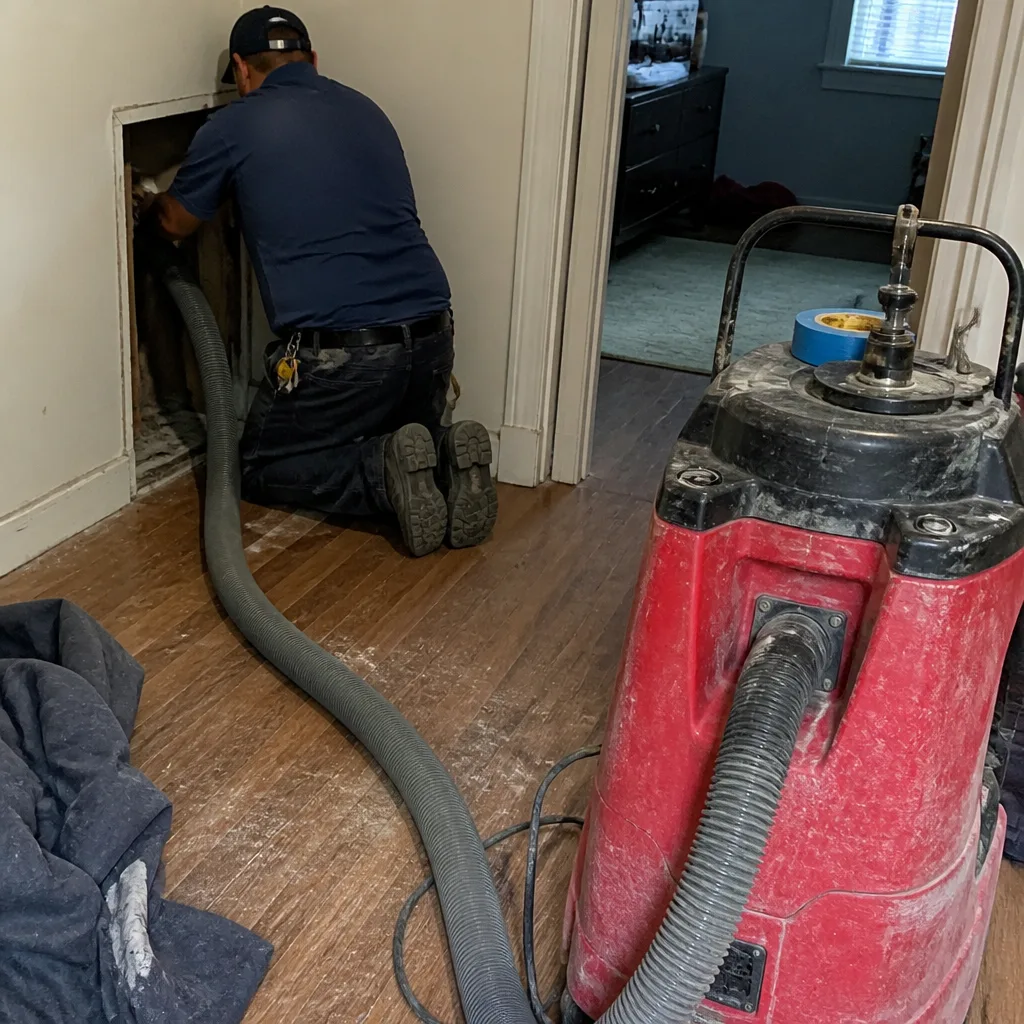 Before
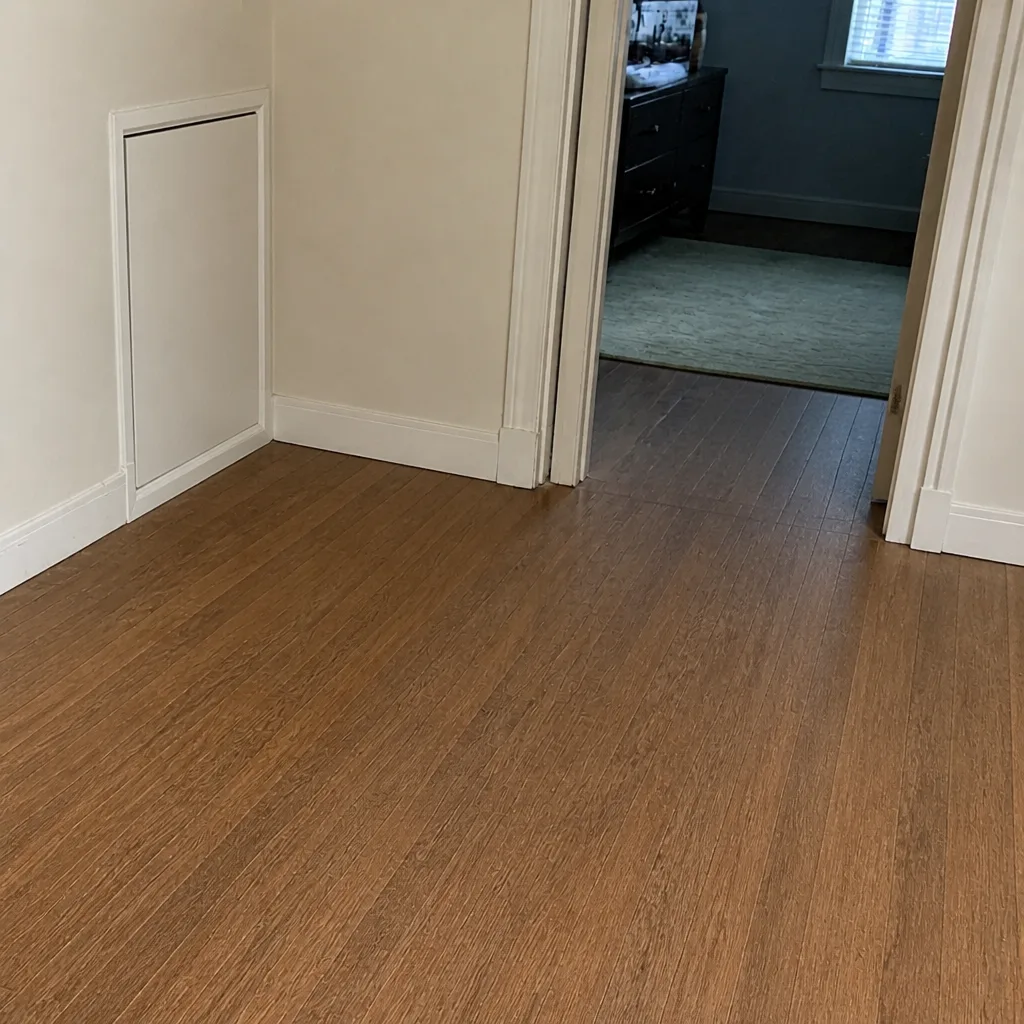 After
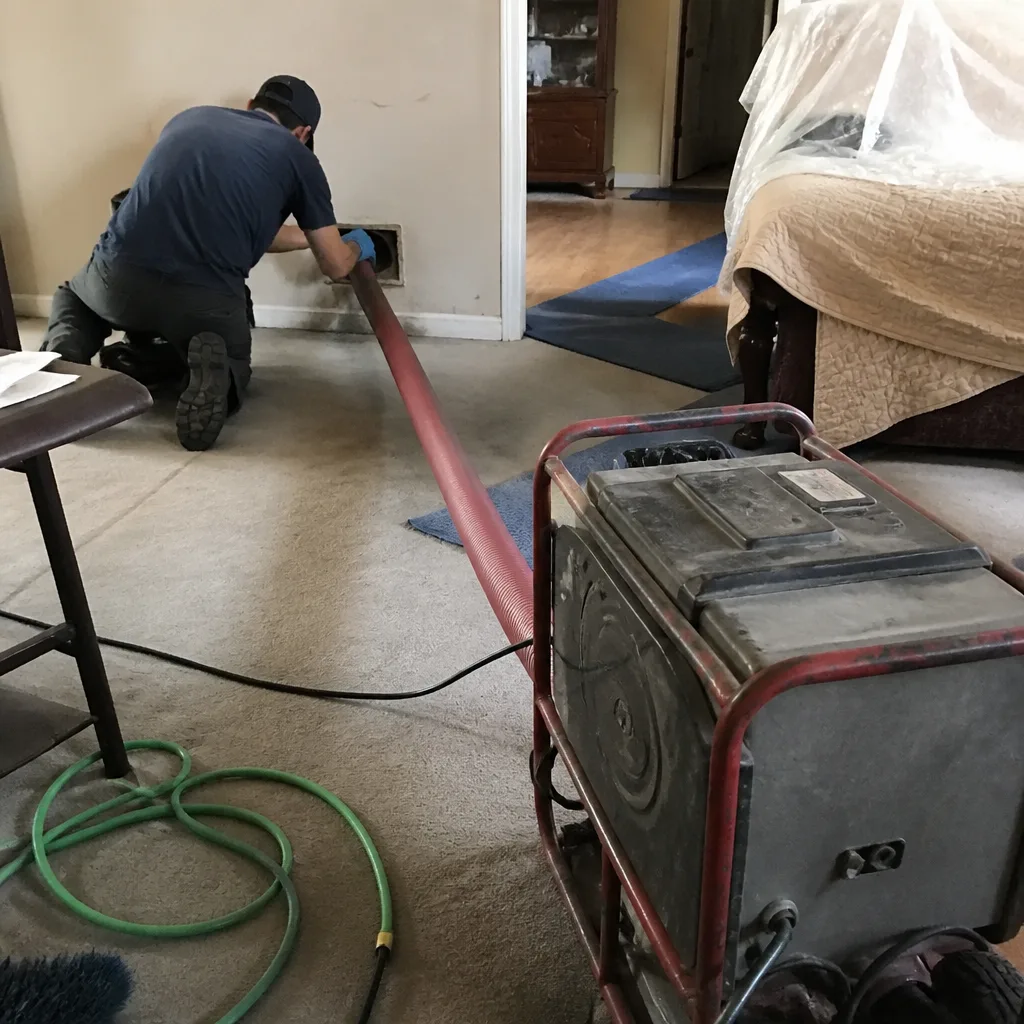 Before
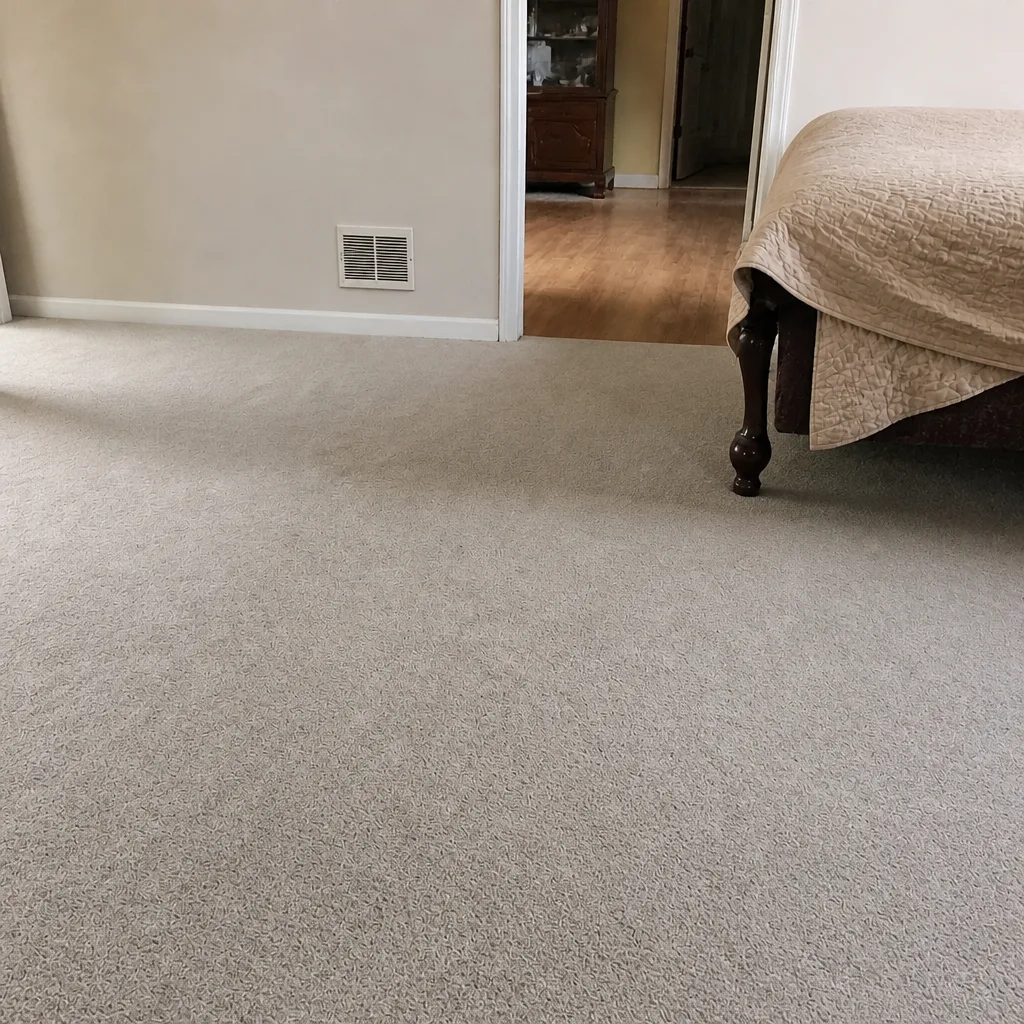 After
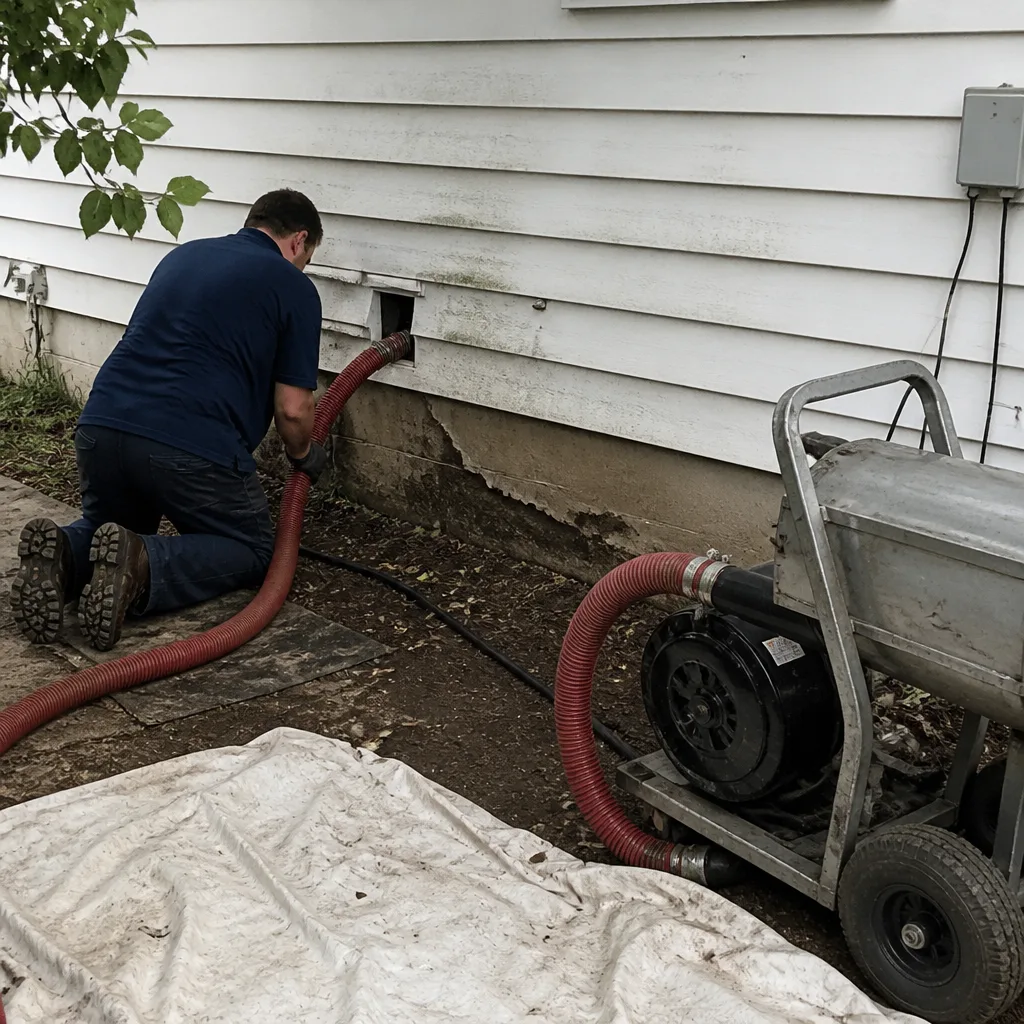 Before
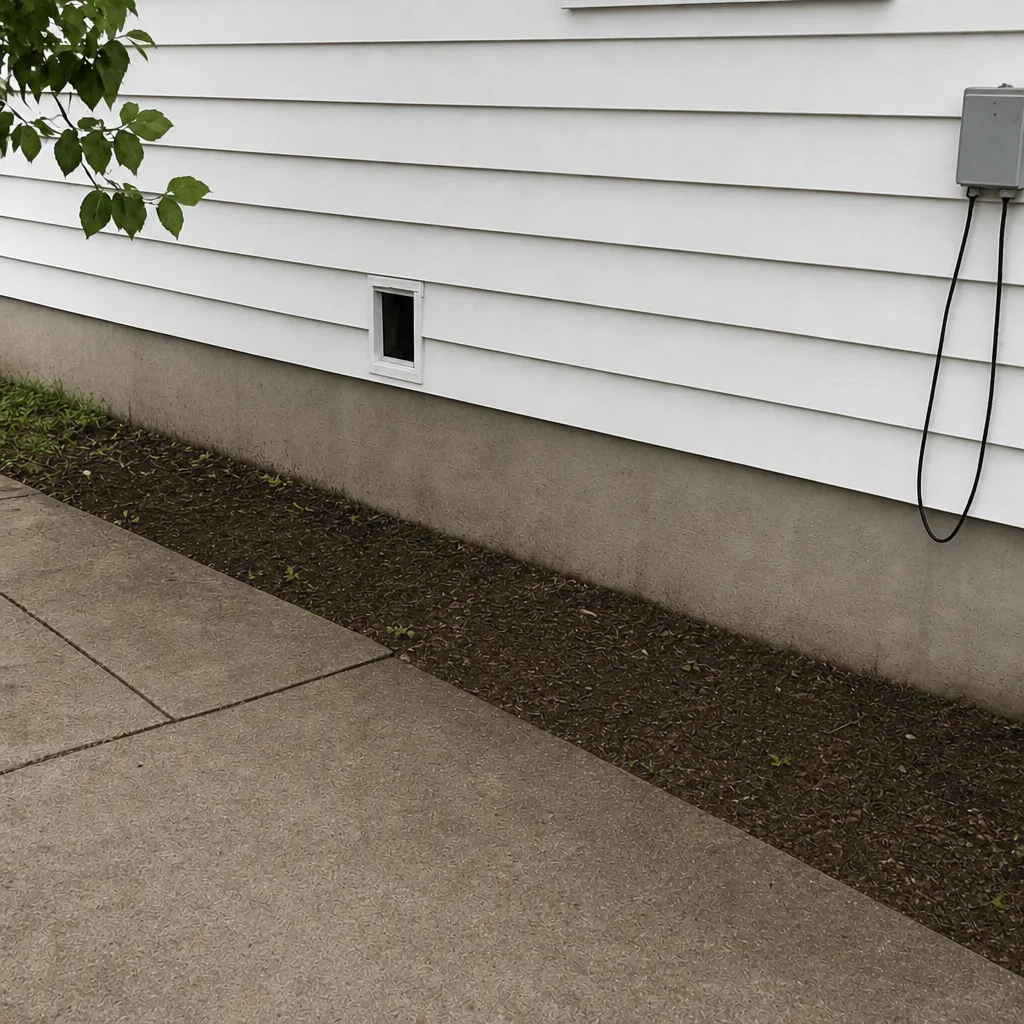 After
Common Mistakes to Avoid
- Running the fan to “dry out” the house after flooding. This pushes moisture and contamination through the entire duct network. Keep the system off until a professional inspects it.
- Calling for duct cleaning before you document the loss. Once the cleaning is done, the evidence your insurer needs is gone. Photograph and get a written assessment first.
- Assuming the restoration company handles ducts. Water-damage restoration and duct system cleaning usually fall to different trades. Ask, and schedule both steps.
- Skipping the duct cleaning after a fire because “the house smells fine.” Smoke deposits inside ductwork often don’t produce an odor until the system runs in warmer weather. Odor is not a reliable test.
- Missing the mold risk after a humid-weather outage. If the AC sat off for an extended period during a humid stretch and the system has foil-lined flex duct, get the ducts inspected even if the house looks fine.
- Restarting flooded HVAC equipment without electrical inspection. Water in the electrical components of an HVAC system is a serious hazard. A licensed electrical professional should evaluate before anything is turned back on.
- Ignoring the dryer vent while focusing on the emergency. If you’re already dealing with a flood or a fire, it’s easy to forget the routine fire risk in the dryer vent. That’s the one you can address immediately.
When to Call a Professional
Call a professional for the air system if any of the following is true: water reached the HVAC equipment or ductwork during flooding, smoke deposits are present inside the home after a fire, the system ran during or shortly after either event, the power was out long enough during humid weather that the interior of the home got damp, or you’re simply not sure whether the ducts are affected. Don’t make the call about “cleaning” yet. Make it about inspection and documentation. That’s the step that precedes everything else, and it’s the one that protects both your home and your insurance claim. The inspection determines whether you’re looking at cleaning, sanitizing, duct repair and sealing, or replacement of some sections, and no honest contractor will scope that over the phone.
St. George Air Duct Cleaning Pros offers free estimates in St. George. Call (888) 848-7351. We answer 24/7. Fast dispatch from 7am to 7pm, Sunday through Friday. Our technicians have up to 11 years of experience with post-emergency HVAC and duct assessments.
How Whole-System Cleaning Fits Into Long-Term Preparedness
The best emergency plan is the one you never have to use. But there’s a version of preparedness that’s worth building into your routine regardless of whether a flood or fire happens: how well your duct system performs on an ordinary day.
Duct systems that are clean, correctly sealed and connected to well-maintained HVAC equipment handle stress better. They distribute air more evenly, they don’t push contamination into living space as readily, and they don’t develop the small moisture issues that grow into larger ones. Duct repair and sealing is often the most overlooked part of that picture – a small gap in a duct joint is a permanent leak of conditioned air, and it’s also an easier path for outside contamination to reach the interior of the system.
We use professional-grade equipment from Rotobrush, Nikro, Abatement Technologies, and work with Honeywell and Aprilaire components where whole-home air upgrades make sense. That’s a full air-pathway approach, from duct cleaning and HVAC cleaning through to duct repair, sealing and air quality sanitizing. Rather than needing to call different vendors as problems come up, one company covers the full scope. That matters most in the moment after an emergency, when the last thing you want is to be coordinating between four contractors who each own part of the answer.
If you’re a St. George homeowner who has been meaning to schedule a duct inspection but never got around to it, the quiet season is the right time. If you’re mid-recovery from an emergency, the checklist above is the more relevant starting point. Either way, air duct cleaning and a full system inspection are worth understanding before you need them. Our team at St. George Air Duct Cleaning Pros is set up to help with either scenario.
Frequently Asked Questions
Shut it down at the thermostat and at the breaker before anything else, then keep it off until a professional inspects the equipment, ducts and electrical components. Don’t run the fan to dry things out, because that distributes contamination through the whole system. Document the condition of everything before anyone touches it.
Yes, if smoke was present in the home during or after the fire. Smoke particulate settles onto interior duct surfaces and re-enters the living space every time the system runs, which is why duct cleaning belongs in the smoke remediation sequence rather than after it. A professional assessment determines the scope. Call (888) 848-7351 for an exact quote – estimates are free.
Yes, especially if the outage happens during humid summer weather and the AC system was running before the power went out. A wet evaporator coil combined with warm duct interiors creates the conditions microbial growth favors, regardless of how dry the outdoor air is. A professional inspection after any extended outage is worth scheduling.
Wide shots of the affected area, close-ups inside duct openings with a phone flash, the HVAC equipment in its current condition, and a written timeline of the event. Get a written contractor assessment with scope before any cleaning begins, because once cleaning starts the evidence is gone. Call (888) 848-7351 if you’re not sure what to capture – estimates are free.
Emergency response stops the contamination from spreading: shutting the system down, extracting water, air scrubbing during the acute phase. Restoration cleaning returns the system to safe operation: duct and HVAC cleaning, sanitizing, duct repair and sealing, and verification. They’re separate steps, sometimes handled by different contractors. Call (888) 848-7351 for an exact quote – estimates are free.
For a typical home without an emergency event, every few years is a reasonable rule of thumb, more often if anyone in the house has allergies, if pets produce heavy dander, or if there’s been a renovation in the home. Any flood, fire or extended-humidity outage triggers a cleaning regardless of the schedule. The right interval depends on your specific system. Call (888) 848-7351 for an exact quote – estimates are free.
The Bottom Line
Your ducts are part of your emergency plan, not an afterthought. After flooding, fire or a long humid outage, shut the system down first, document second, and call for inspection before anything else. Emergency response and restoration cleaning are different steps, and they may fall to different contractors. The evidence you capture before cleaning protects the insurance claim. The inspection you get before cleaning determines whether the answer is cleaning, sanitizing, duct repair and sealing, or replacement of affected sections. In St. George, where summer heat and sudden moisture meet in the same storm, getting that sequence right is worth more than any single service call.
If you’re mid-recovery or just want a system assessment before the next storm, call St. George Air Duct Cleaning Pros at (888) 848-7351 for a free estimate. We answer 24/7. Fast dispatch from 7am to 7pm, Sunday through Friday. One flat price per system agreed before work starts, before-and-after photos of your own ducts, and a satisfaction guarantee on every job.
Written by the team at St. George Air Duct Cleaning Pros.