
Last updated November 25, 2026
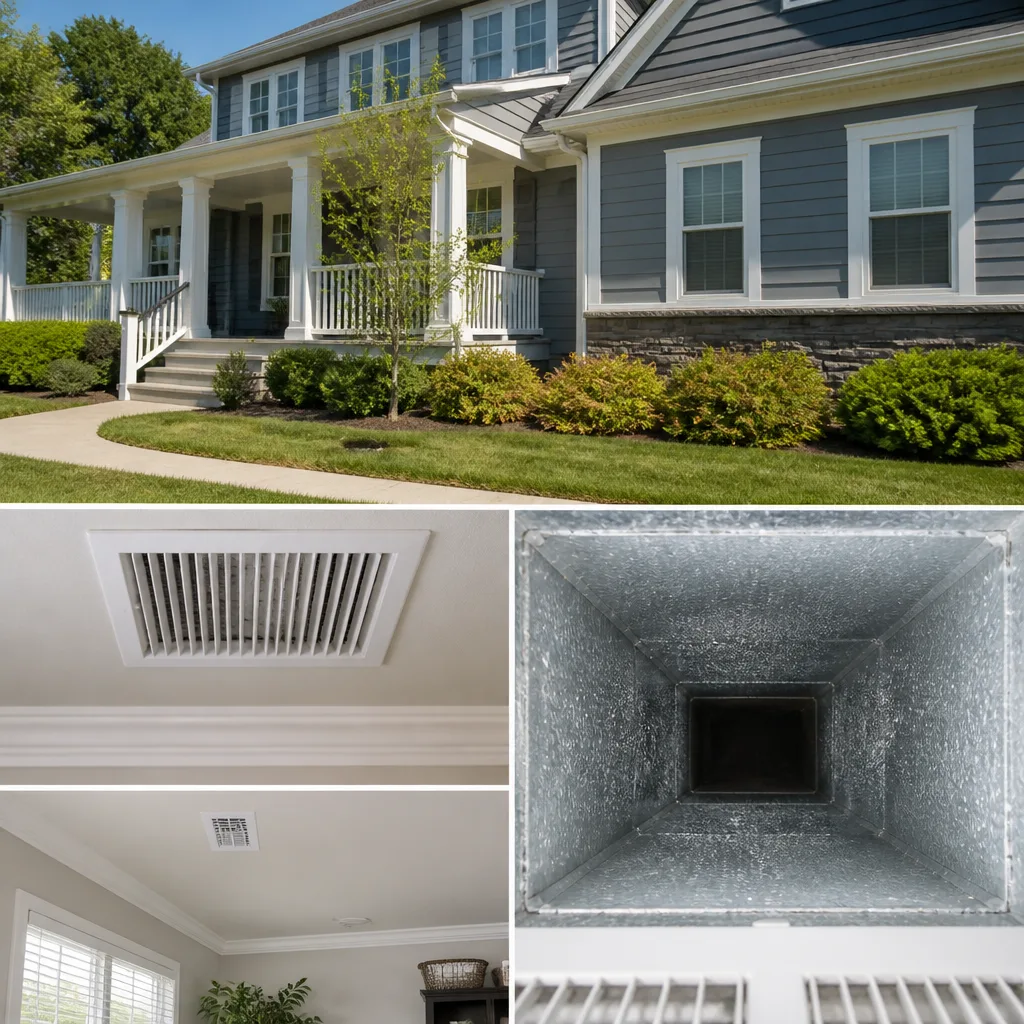 Whole-home duct cleaning
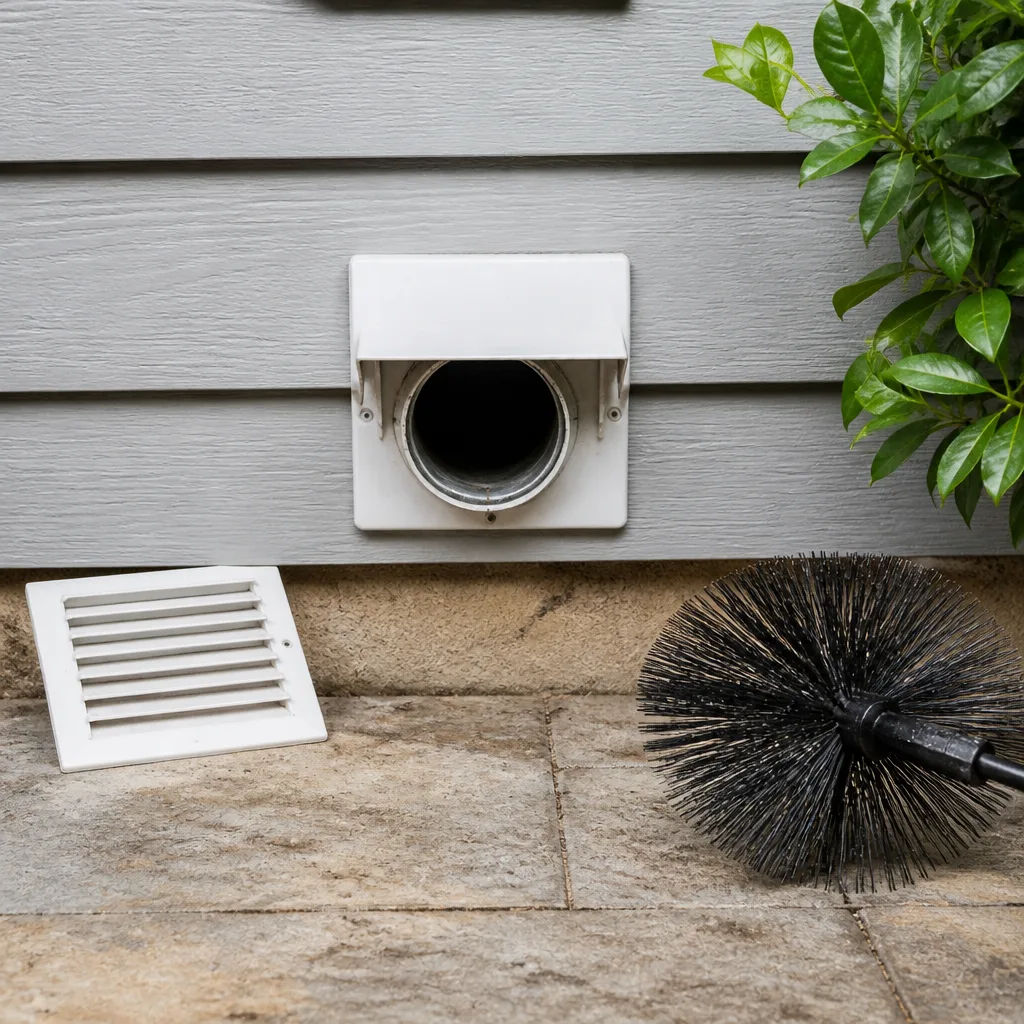 Dryer vent cleaning
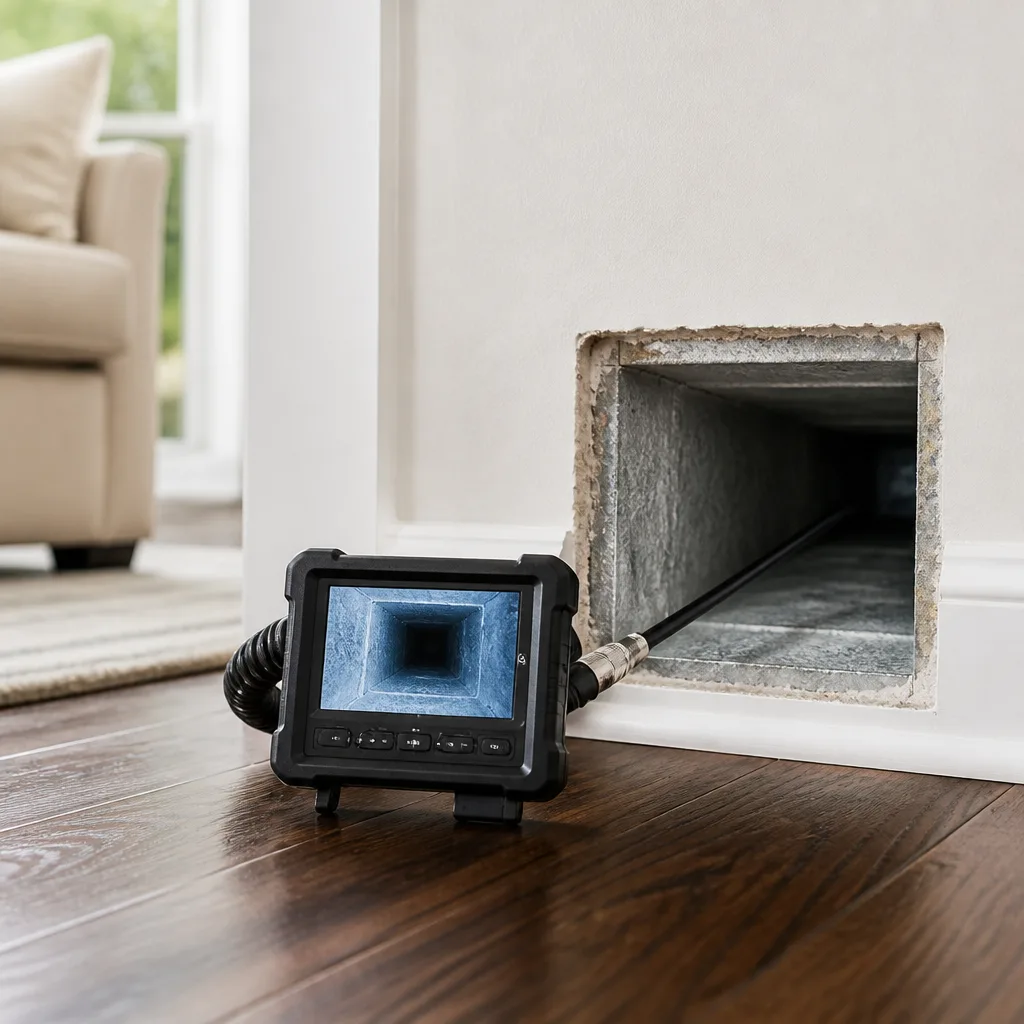 Camera inspection
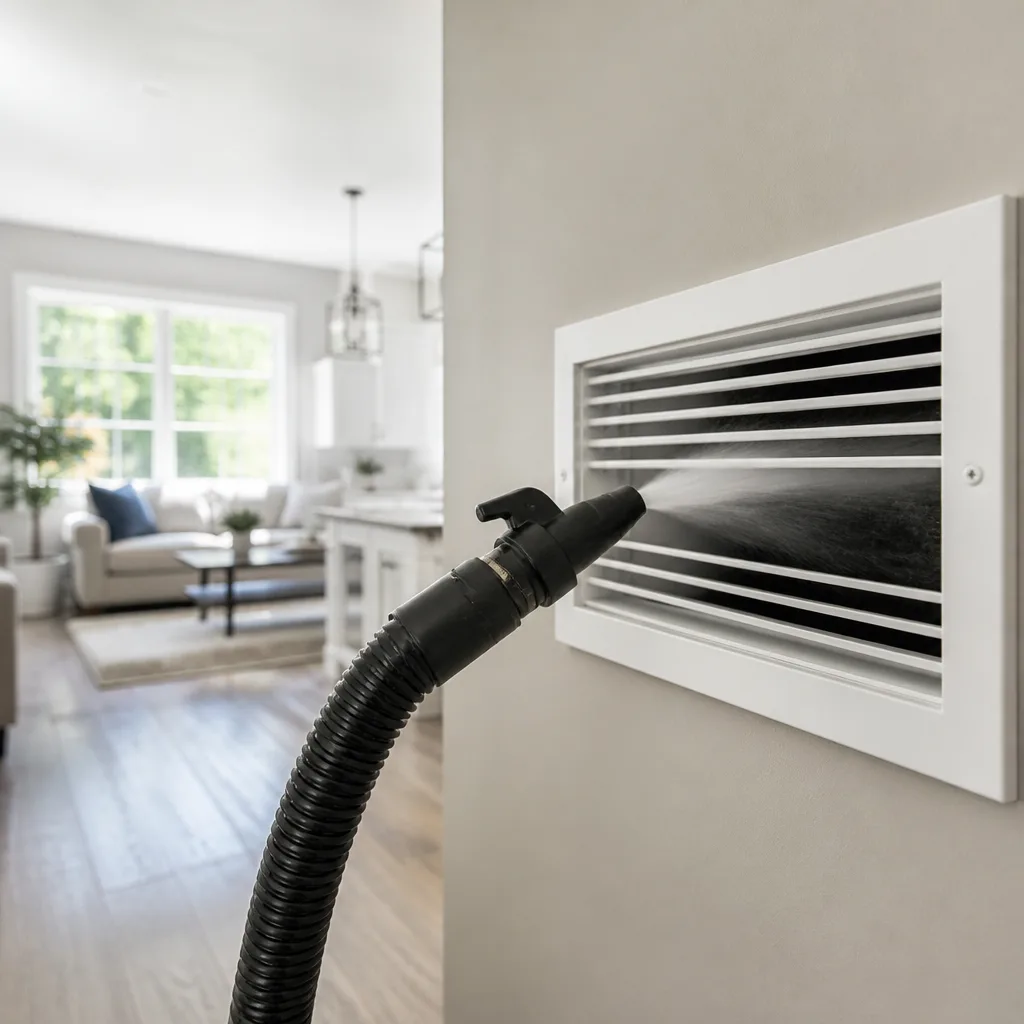 Sanitizing & deodorizing
Whole-system duct and dryer vent check with before-and-after photos - you see exactly what came out of your vents
That "$99 whole-house special" is a bait ad - the real number appears once they are in your hallway, or the "clean" is a shop-vac at the register. We photograph the inside of your ducts before and after instead.
Air Duct Cleaning Permits, Codes & Inspections in St. George, NY: What You Need to Know
Here’s the part most homeowners get wrong: cleaning your ducts requires no permit in New York City, but the repairs that cleaning often uncovers do. A contractor who tells you duct sealing or flex duct replacement “doesn’t need a permit” may be right about the vacuuming and wrong about everything that comes after it. In St. George and across Staten Island, we’ve seen this play out during home sales, when a buyer’s inspector asks for paperwork nobody kept. This guide covers what triggers a permit, which code sections apply, how inspections work in older homes, and how to request documentation that protects you if the scope is ever questioned.
Quick Answer
Air duct cleaning alone does not require a permit in New York City. Duct repair, replacement, or sealing that alters the mechanical system can require a permit from the NYC Department of Housing and Buildings depending on scope. Ask your contractor for a written scope, and get the permit question answered in writing before work starts.
Styles & brands we work with
- Whole-home duct cleaning
- Dryer vent cleaning
- Camera inspection
- Sanitizing & deodorizing
Table of Contents
- Cleaning vs. Repair: What Actually Requires a Permit
- The NYC Mechanical Code Sections That Apply to Duct Work
- How Local Law 97 Is Changing Duct Sealing Decisions
- The Inspection Process for HVAC-Adjacent Work in Older Homes
- Asbestos-Era Duct Insulation: What Triggers Abatement
- How to Request Work Orders and Documentation That Protect You
- Choosing a Contractor Who Handles the Paperwork Right
Cleaning vs. Repair: What Actually Requires a Permit
The confusion starts because “duct work” covers two very different kinds of jobs. Cleaning is maintenance. Repair and modification are construction. New York City treats them differently, and the line between them matters more than most homeowners expect.
Cleaning-only scope typically includes:
- Removing debris and dust from supply and return ducts
- Cleaning registers, grilles, and diffusers
- Cleaning the air handler cabinet and blower compartment
- Sanitizing duct interiors with an approved product
- Before-and-after photo documentation of the system
Repair and modification scope is where permits enter the picture:
- Replacing a section of rigid or flex duct
- Sealing joints with mastic or approved tape in a way that changes the system
- Adding, removing, or relocating a supply or return
- Modifying the air handler or connecting new ductwork to it
- Any work that changes the system’s rated capacity or layout
In our experience in St. George, the trigger is almost always the repair that follows a cleaning. A technician opens a return in a two-family house near Richmond Terrace, finds crushed flex duct behind a finished wall, and suddenly the job is a mechanical modification. That’s the moment to ask about permits, not after the drywall is back up. Proper air duct cleaning stays in the maintenance lane; the moment the scope changes, so does the paperwork requirement.
The NYC Mechanical Code Sections That Apply to Duct Work
New York City’s mechanical code governs how duct systems must be installed, sealed, and supported, and those requirements apply whether or not a permit is pulled for a specific job. Knowing the general shape of the rules helps you ask better questions.
Three areas come up most often in residential duct work:
- Sealing requirements. The code requires duct joints, seams, and connections to be sealed against air leakage. That means a repair that leaves joints unsealed isn’t just sloppy, it may not meet code.
- Support and clearance. Ducts must be supported at intervals and kept clear of combustible materials. In tight St. George basements and crawl spaces, that clearance is often compromised by later renovations.
- Material ratings. Duct materials and sealants must be listed for the application. Flex duct used for a return in one place may not be allowed in another, and sealants must be rated for the temperature they’ll see.
We don’t interpret code for you, and no honest contractor should pretend the code is optional depending on who’s asking. What we can tell you is what we see: a lot of duct repairs in St. George’s older housing stock that were done without sealing, without support, and without documentation. If you’re planning repairs, ask your contractor which code provisions their scope is designed to meet. If they can’t answer, that’s an answer.
For homeowners who just want the maintenance side handled correctly, we cover what HVAC cleaning involves and how it differs from a mechanical repair.
How Local Law 97 Is Changing Duct Sealing Decisions
Local Law 97 sets carbon emission limits for larger buildings in New York City, and while it’s aimed squarely at big properties, its ripple effects are reaching smaller multi-family buildings across Staten Island. Duct sealing sits in an interesting spot in that conversation.
Here’s the connection. A leaky duct system wastes conditioned air. In a building where owners are being pushed to reduce energy use, that wasted air becomes a number on a report. Sealing ducts and repairing disconnected runs is one of the cheaper ways to reduce a building’s energy load before anyone talks about new equipment.
For St. George homeowners in two- and three-family buildings, the practical takeaway is this:
- Duct sealing is increasingly treated as an energy measure, not just a comfort fix
- Documented sealing work can support efficiency claims if a building ever needs to report
- Multi-family owners should ask whether a repair scope is designed to meet an efficiency goal or just to stop a leak
We work with Honeywell and Aprilaire controls and air quality products, which means when we recommend a sealing or filtration upgrade in a multi-family building, it’s part of a system that can be measured and documented, not a one-off patch. If you’re in a St. George building watching the energy conversation unfold, get the duct work documented now. It’s easier to produce paperwork you kept than to reconstruct it years later.
The Inspection Process for HVAC-Adjacent Work in Older Homes
When a permit is pulled for duct repair or HVAC modification, an inspection follows. In older St. George homes, that inspection often reveals more than the original job planned for.
Here’s generally how the process runs:
- Permit application. The contractor files the scope with the NYC Department of Buildings, describing what will be done.
- Work performed. The work is done to the filed scope, ideally with photos taken before walls close.
- Inspection request. The contractor schedules the inspection once the work is ready for review.
- Inspection. The inspector verifies the work, including sealing, support, materials, and clearances.
- Sign-off or correction. The job is signed off, or a correction notice lists what needs to change.
In our experience, older homes in St. George bring two extra wrinkles. First, duct systems were often modified by previous owners without permits, so the current inspector may find pre-existing issues that were never documented. Second, wall cavities in these homes are tight, so inspecting a repair often means opening a wall that was finished decades ago, which brings its own discovery risk. Both are reasons to get a clear scope and photo documentation before anyone picks up a tool. We’ve walked through this with enough St. George homeowners to know that the paperwork is the part nobody thinks about until an inspector does.
Asbestos-Era Duct Insulation: What Triggers Abatement
Many St. George homes were built or renovated in decades when duct wrap and insulation contained asbestos. If a duct repair touches that material, the job changes category entirely.
The practical rules:
- Cleaning a duct system without disturbing suspect material is generally handled as routine work, with care taken not to break the material.
- Repair or replacement that disturbs suspect insulation triggers testing before work proceeds.
- If testing confirms asbestos, abatement by a licensed abatement contractor comes before the repair.
- Documentation of testing and any abatement belongs in your records permanently.
We don’t perform asbestos abatement, and no honest duct cleaning company should. What a good contractor does is stop and test when the material is suspect, then coordinate the sequence so the abatement happens first and the duct repair follows. In St. George, where many homes behind the older blocks near the ferry terminal still carry original duct wrap, this is a real-world issue, not a theoretical one. If a contractor waves off your question about old insulation, that’s a red flag. Ask them to put their answer in writing.
Dryer vent work is a separate safety topic, and it’s one where we never compromise: dryer vent cleaning addresses a leading cause of residential fires, and it deserves its own dedicated visit, not a quick add-on.
How to Request Work Orders and Documentation That Protect You
The single most useful thing you can do before duct work starts is to establish a documented paper trail. It protects you during a sale, during a permit dispute, and during an insurance claim.
Ask your contractor for these five items:
- A written scope of work. What will be cleaned, repaired, replaced, or sealed, room by room and component by component.
- Pre-work photos. Photos of the duct interiors and any suspect material before work begins.
- Post-work photos. Photos of the finished work, including sealed joints and supported runs.
- A permit statement. A line item stating whether a permit was required and, if so, the permit number and the DOB filing reference.
- A branded invoice and work order. On company letterhead, showing what was done and by whom the work was performed.
That package is what a home inspector or buyer’s attorney will ask for. In St. George, we’ve seen sales stall over exactly this: a homeowner who can’t produce documentation for duct work done years before. The fix is simple and cheap if you do it up front. Request it in writing, and don’t start the job until you have it.
Choosing a Contractor Who Handles the Paperwork Right
Most homeowners choose a duct contractor on equipment and price. Those matter, but documentation discipline separates the contractor who protects you from the one who leaves you exposed.
What to look for:
- A clear written scope before work starts, not a verbal estimate
- Professional-grade equipment, not consumer gear; St. George Air Duct Cleaning Pros uses Rotobrush contact-cleaning systems and Nikro HEPA vacuums, the same tools used in commercial and restoration work
- A clear statement on permits and code compliance
- Before-and-after photos of your own system, not stock photos
- The willingness to stop and test when suspect material is found
- One flat price per system agreed before work starts, not per-vent pricing
Our technicians have up to 11 years of experience, and in that time the pattern has been consistent: the jobs that cause problems later are the ones where paperwork was skipped. Good equipment helps, and we’re deliberate about the brands we use, including the Abatement Technologies filtration gear we bring for post-cleaning air scrubbing. But equipment without documentation leaves you with a clean system and a blank file. In a city where a buyer’s inspector will ask, that blank file has a cost.
Common Mistakes to Avoid
- Assuming cleaning requires a permit. It doesn’t. Assuming the repair that follows doesn’t either is the mistake. Get the permit question answered in writing before work starts.
- Accepting a verbal scope. A verbal scope is worth nothing once the work is done and questions come up. Ask for it in writing, room by room.
- Skipping photos. Photos before and after are your best protection if a buyer’s inspector or an insurance adjuster asks what changed. Insist on them.
- Letting a contractor disturb old insulation without testing. Suspect asbestos-era duct wrap requires testing before repaire, not after. Say no if a contractor won’t stop.
- Paying per-vent. Per-vent pricing is the industry’s oldest bait-and-switch. One flat price per system agreed before work starts is the honest path.
- Ignoring old ducts during a renovation. If you’re pulling permits for other work in a St. George home, use the moment to document duct conditions while walls are open.
- Hiring on price alone. The cheapest quote often becomes the most expensive paperwork problem later. Choose on scope, equipment, and documentation.
See the difference
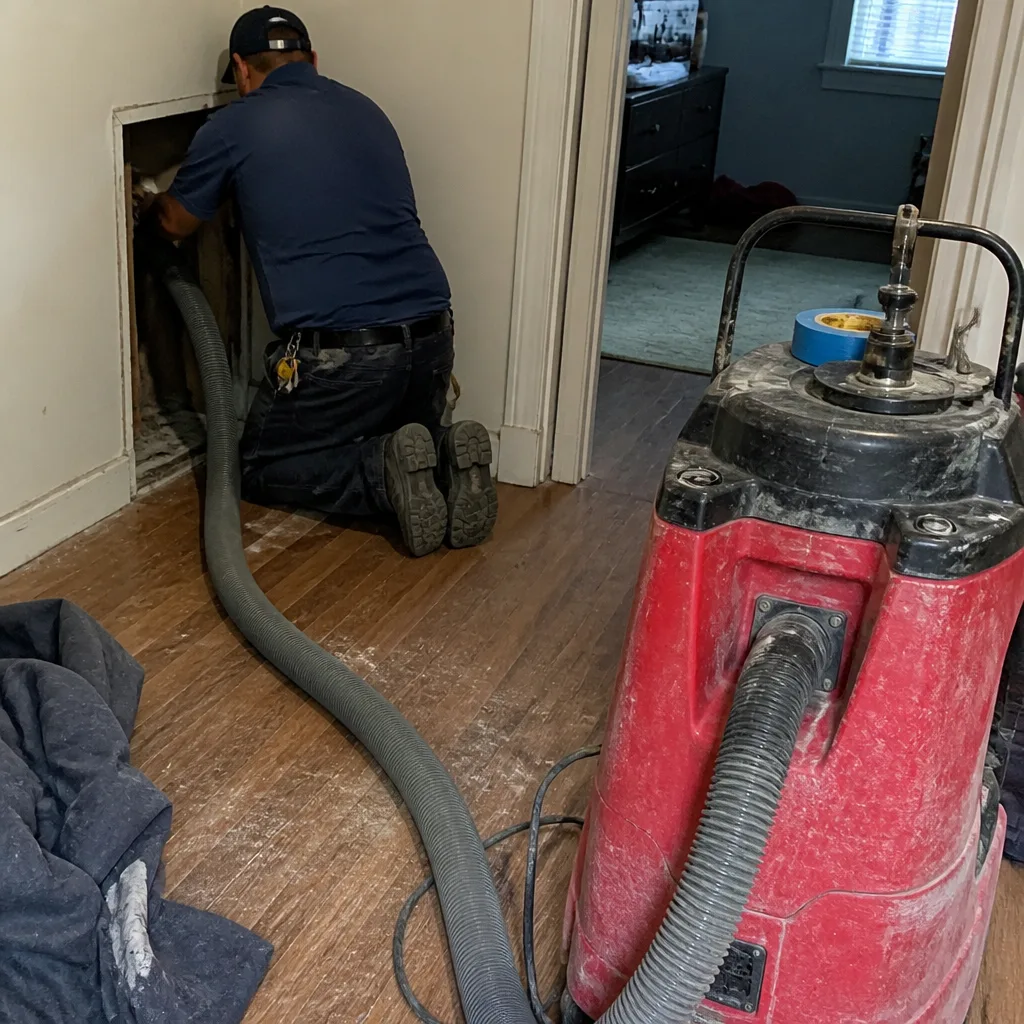 Before
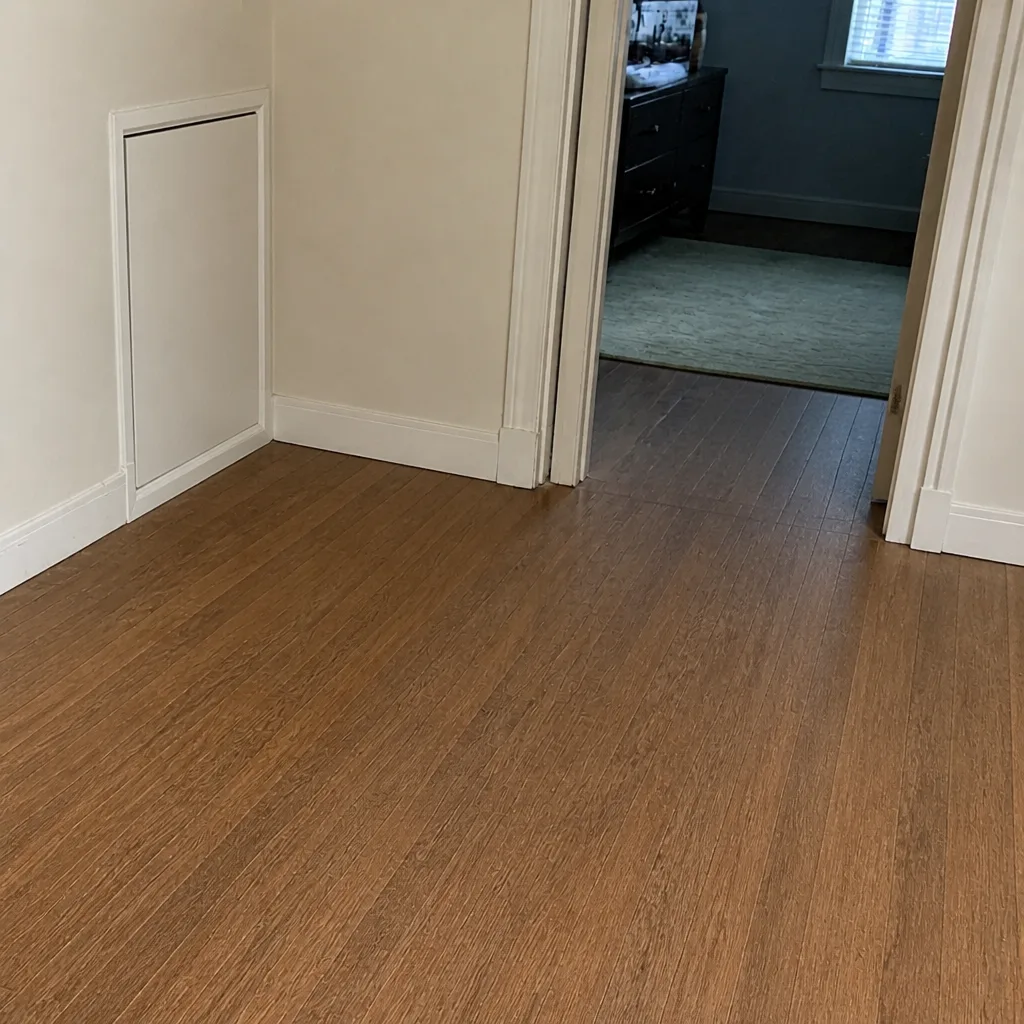 After
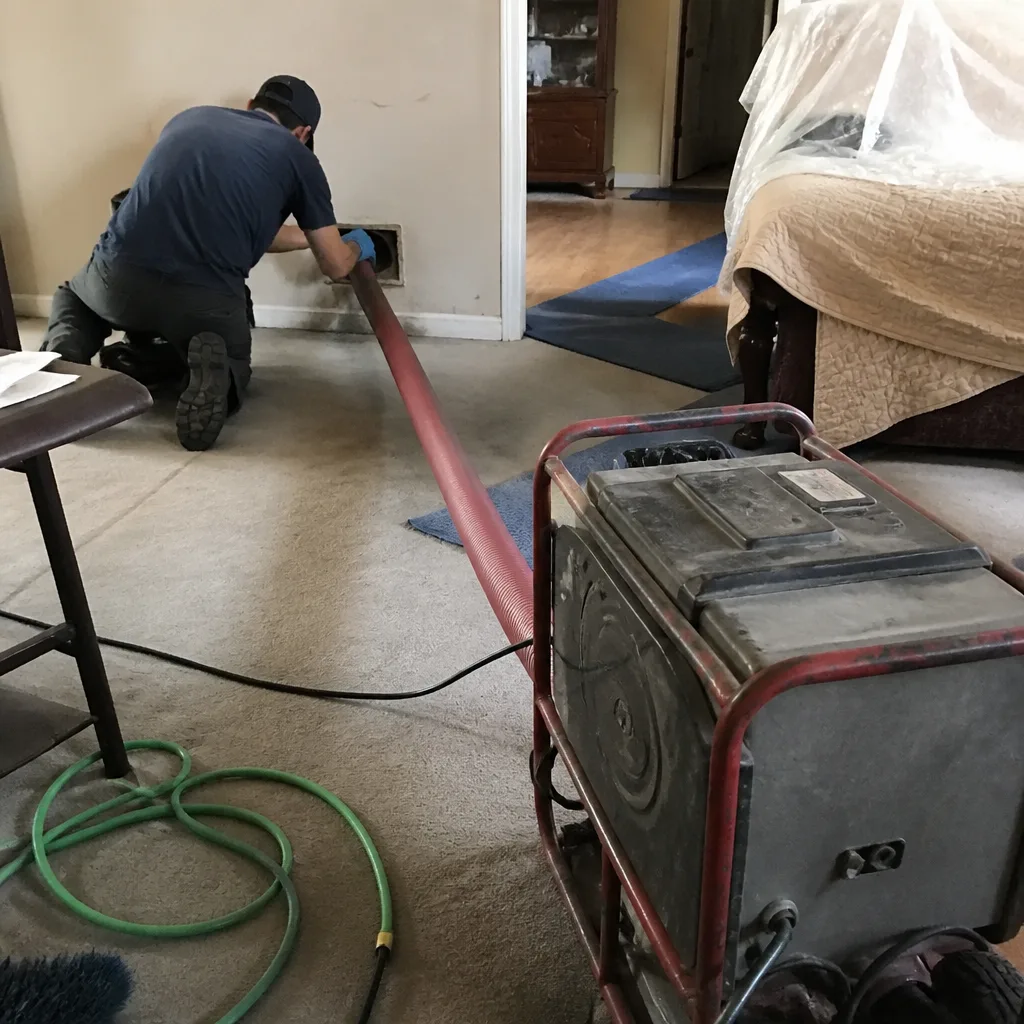 Before
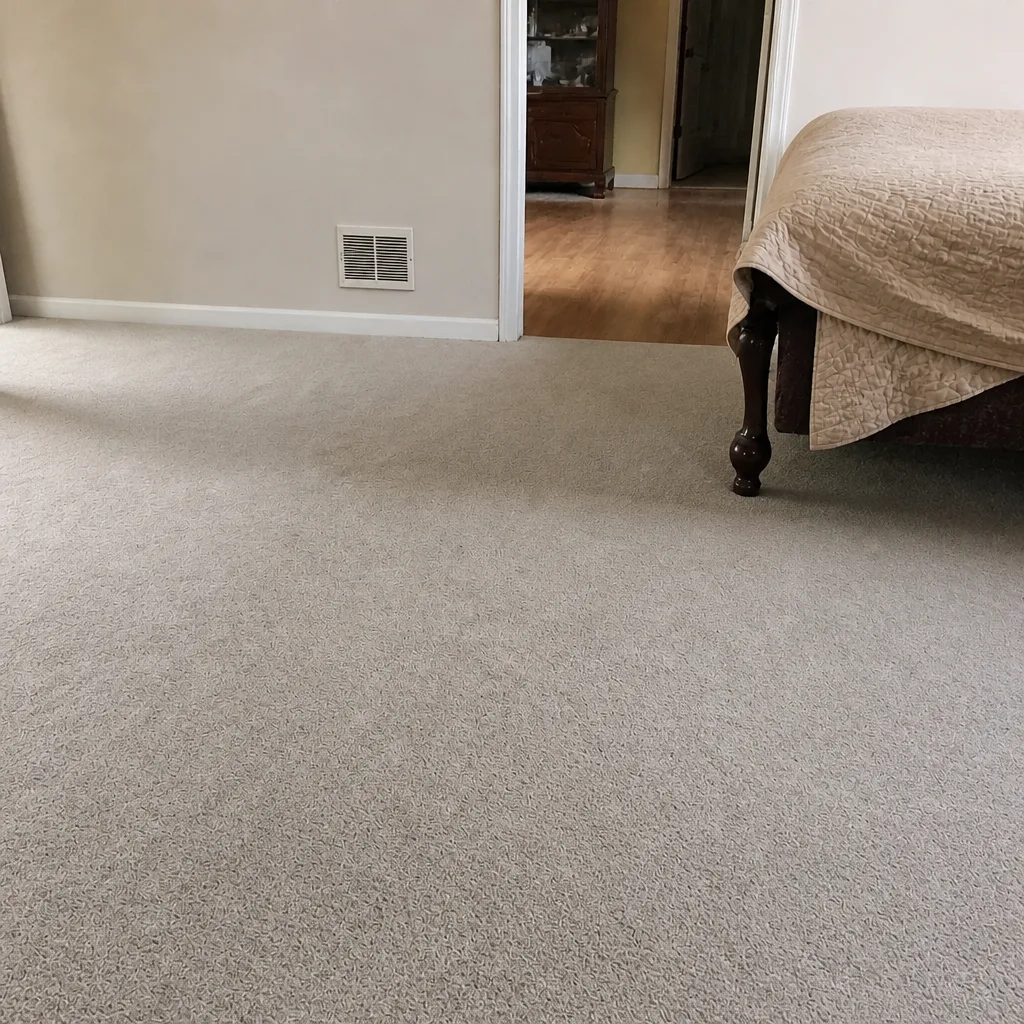 After
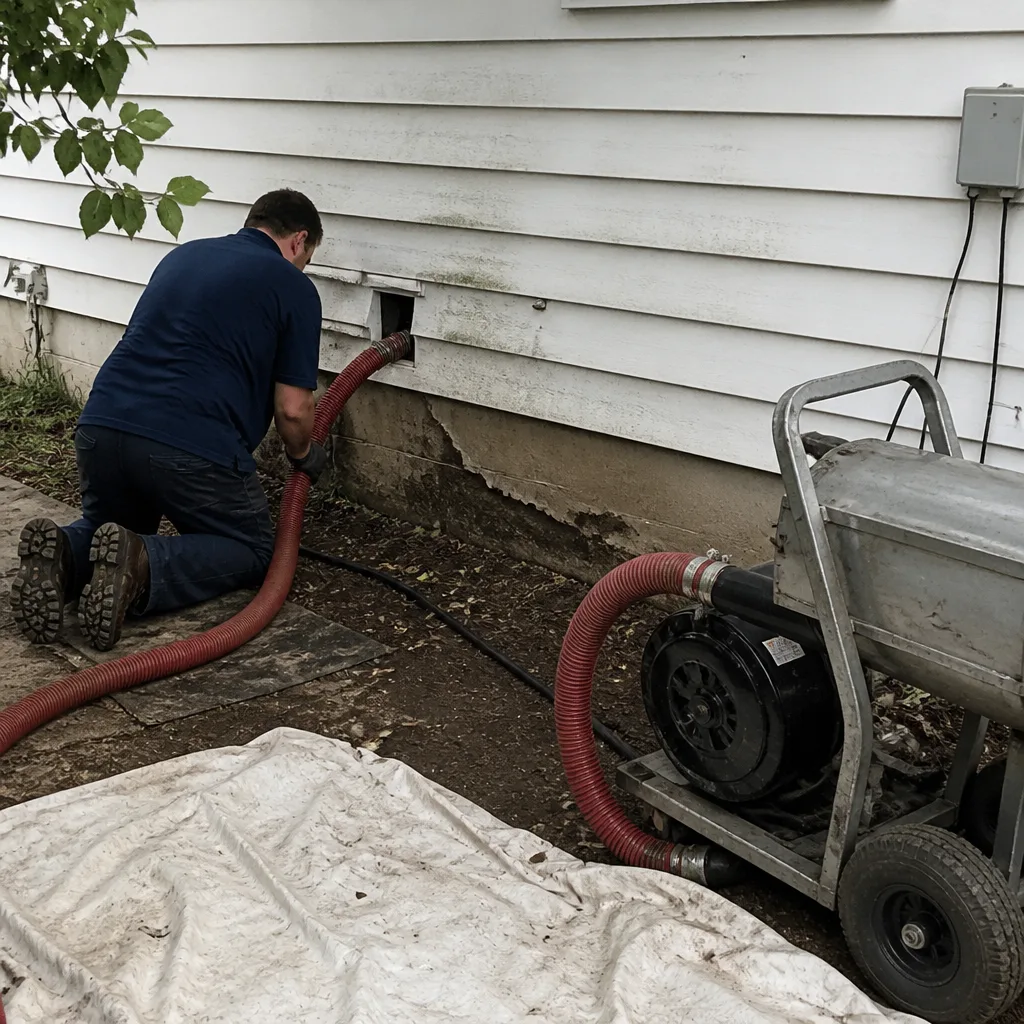 Before
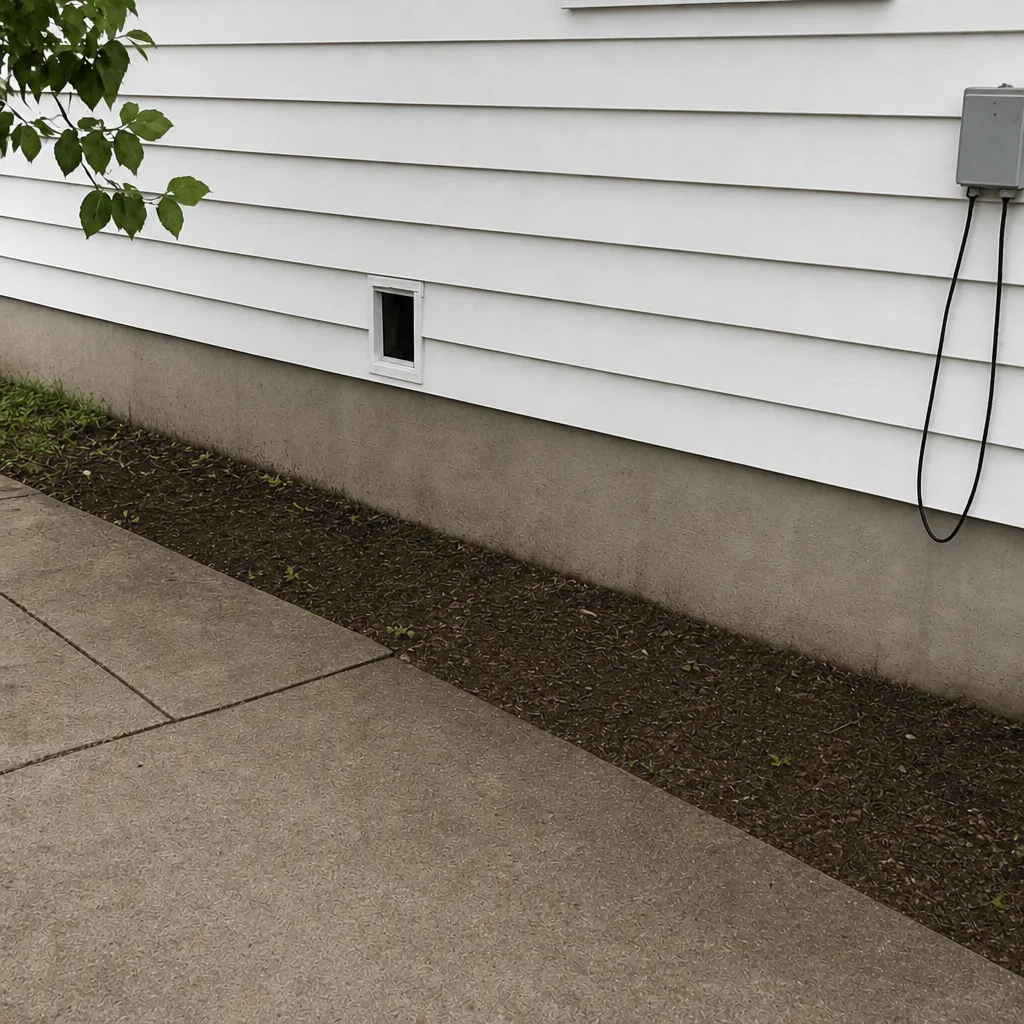 After
When to Call a Professional
Some duct situations call for a trained eye. If a repair touches suspect insulation, if you’re planning a mechanical modification that may need a permit, if a home sale is approaching and you don’t have documentation, or if a duct system is failing inspection, call a professional before work proceeds. We don’t do abatement and we don’t interpret code in place of the DOB, but we can give you a clear scope, professional-grade equipment, and the documentation that protects you. St. George Air Duct Cleaning Pros offers free estimates in St. George – call (888) 848-7351. We answer 24/7. Fast dispatch from 7am to 7pm, Sunday through Friday.
Frequently Asked Questions
No. Routine air duct cleaning does not require a permit in New York City. Duct repair, replacement, or sealing that changes the mechanical system can require a permit from the NYC Department of Buildings, so ask for the permit question to be answered in writing. Call (888) 848-7351 for a free estimate.
A permit is typically triggered when the work goes beyond cleaning and becomes a mechanical modification: replacing duct sections, relocating supply or return registers, or altering the system’s layout or capacity. Have your contractor state in writing whether a permit is required for your specific scope. Call (888) 848-7351 for a free estimate.
No. Even small duct repair jobs should come with a written scope, pre-work photos, post-work photos, and a work order on company letterhead. That file is what protects you if a home inspector or buyer’s attorney asks later. Call (888) 848-7351 for a free estimate.
If the insulation looks like it could be from a period when asbestos was used, testing should happen before work proceeds. If testing confirms asbestos, abatement by a licensed abatement contractor comes first, and the duct repair follows. Don’t let a contractor skip that step. Call (888) 848-7351 for a free estimate.
Local Law 97 sets carbon limits for large buildings, but the energy-efficiency conversation is reaching smaller multi-family properties on Staten Island too. Duct sealing increasingly gets treated as an energy measure, so documented sealing work is worth keeping. Call (888) 848-7351 for a free estimate.
Before-and-after photos of your own system, a written scope, and a branded work order are the proof. Ask for them up front, not after the invoice. Call (888) 848-7351 for a free estimate.
The Bottom Line
Cleaning your ducts doesn’t need a permit. Repairing, replacing, or sealing them may. In older St. George homes, the paperwork around duct work matters as much as the work itself, so get a written scope, ask about permits, test suspect insulation before you disturb it, and keep every photo and work order in one file. Do that, and problems surface on the schedule you control instead of during a home sale. Our take: if the scope changes, so does the paperwork requirement, and a contractor who won’t say so in writing is telling you something.
Written by the team at St. George Air Duct Cleaning Pros.