
Last updated November 25, 2026
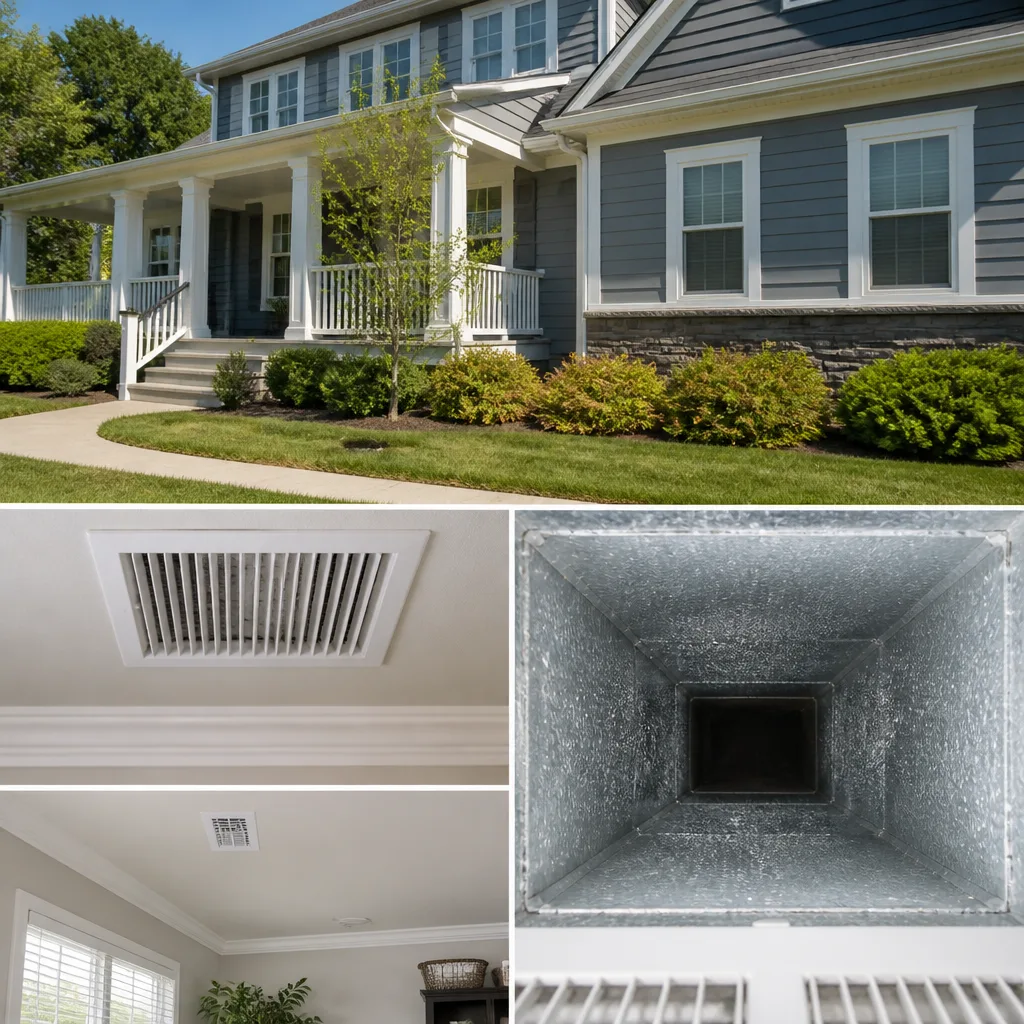 Whole-home duct cleaning
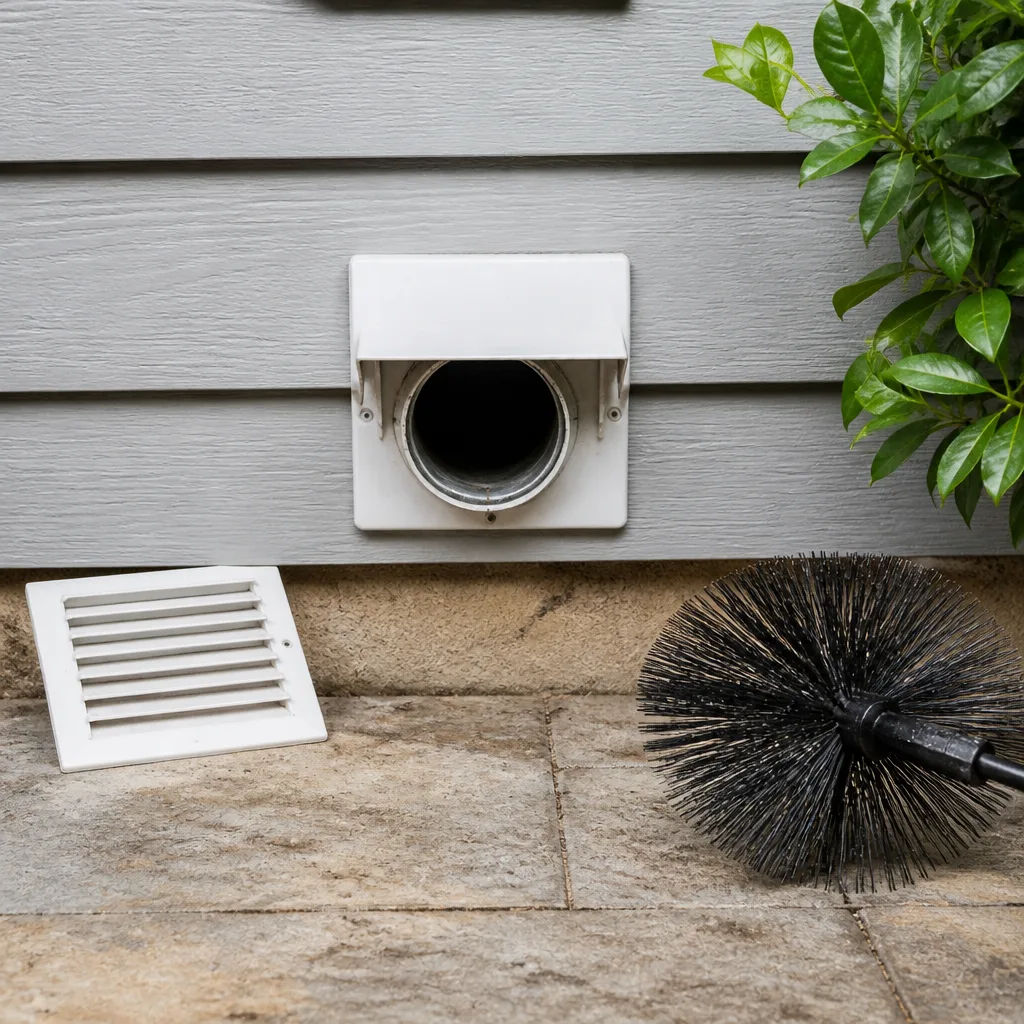 Dryer vent cleaning
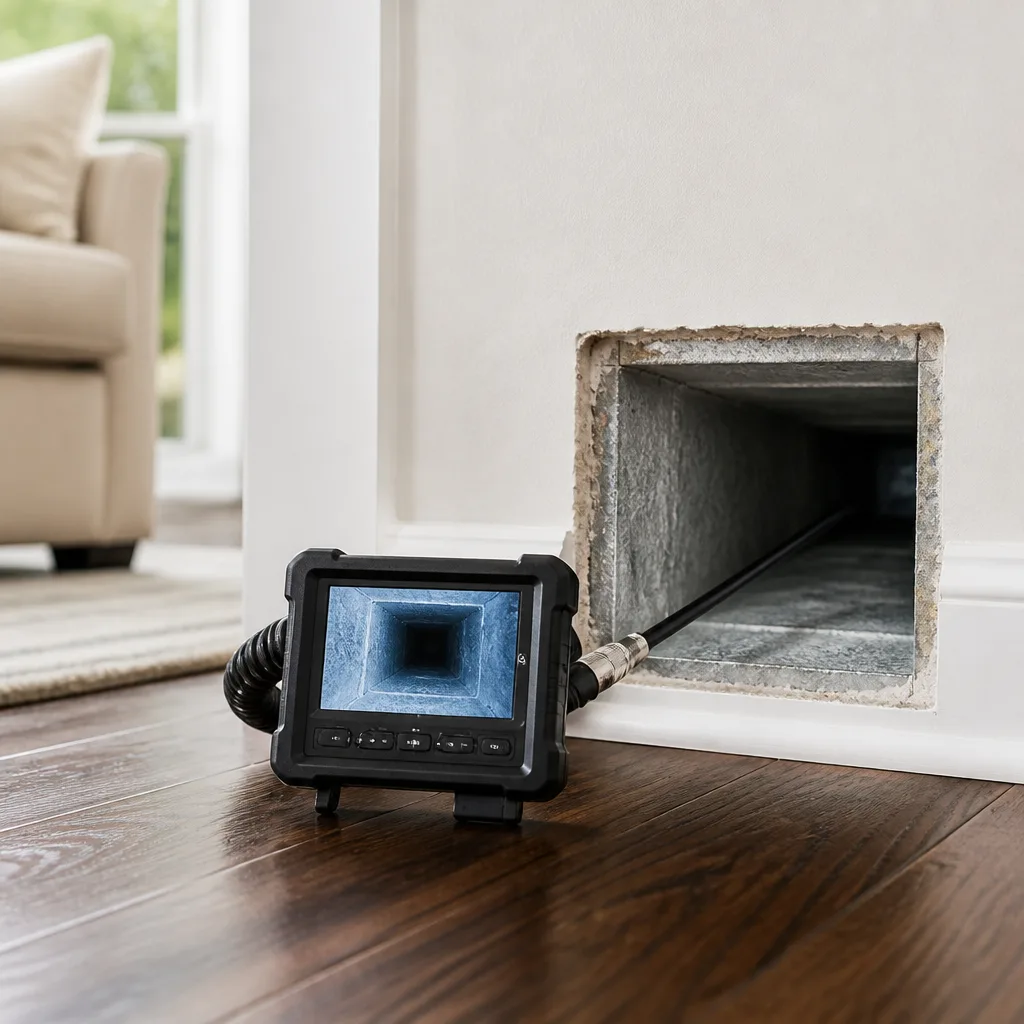 Camera inspection
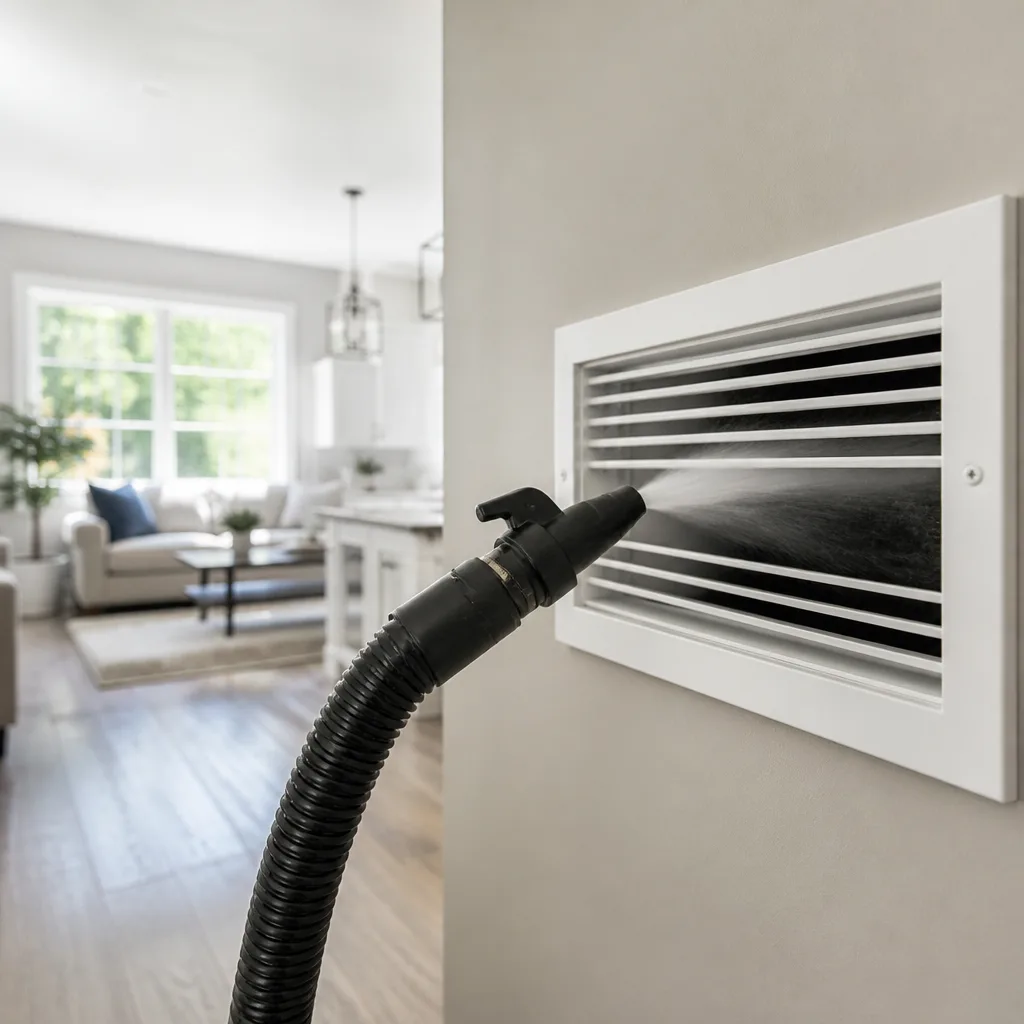 Sanitizing & deodorizing
Whole-system duct and dryer vent check with before-and-after photos - you see exactly what came out of your vents
That "$99 whole-house special" is a bait ad - the real number appears once they are in your hallway, or the "clean" is a shop-vac at the register. We photograph the inside of your ducts before and after instead.
The Complete Guide to Air Duct Cleaning in St. George
A duct system can pass a visual inspection and still be moving mold spores into every bedroom, because the contamination usually sits 18 inches past where any flashlight reaches. That is the part of duct work most homeowners never see, and it’s why a cleaning that only touches the grilles and the first few feet of flex duct can leave the air exactly as it was. This guide walks through how a real full-system process works in St. George: inspection, source-removal cleaning, sanitizing, duct repair and sealing, and filter upgrades, in that order. You’ll learn how to tell professional-grade work from a shop-vac job, and why the cleaning itself is only one step.
Quick Answer
Air duct cleaning in St. George is a multi-step process, not a single visit with a vacuum. A proper job starts with camera inspection, uses professional HEPA vacuum equipment like Nikro systems under negative pressure to pull debris out of the whole system rather than knock it loose, includes sanitizing and a filter and IAQ assessment, and often ends with duct repair and sealing to fix the air loss that let contamination in the first place. Most homes in St. George benefit from the full sequence roughly every three to five years, sooner if you’ve had renovation dust, moisture intrusion, or visible debris blowing from vents.
Styles & brands we work with
- Whole-home duct cleaning
- Dryer vent cleaning
- Camera inspection
- Sanitizing & deodorizing
Table of Contents
- Why Duct Contamination Looks Different in St. George
- Source Removal vs. Blow-and-Go: How to Tell the Difference
- Why Trunk Lines and Return Plenums Get Skipped
- What a Full-System Approach Looks Like, Step by Step
- Equipment Signatures That Separate Pro Work From Shop-Vac Jobs
- The HVAC Connection: Why Cleaning and Coil Care Go Together
- Dryer Vent Cleaning as a Fire-Safety Service
- How Much Does Air Duct Cleaning Cost in St. George?
Why Duct Contamination Looks Different in St. George
St. George sits on Staten Island’s inland hills, not on open water, but our summers still run humid and sticky in a way that changes what accumulates inside ductwork. In drier markets, the typical duct load is mostly dust and dander, the kind that blows out as a gray puff when you knock a trunk line. Here, the indoor humidity climbs high enough during July and August that a marginal moisture source like a small condensate drip or a poorly sealed return can support active biological growth on duct liners, turning a dust problem into a biofilm problem. That matters because biofilm clings to galvanized metal and flex duct liners and does not release under gentle suction.
St. George also has an older housing mix. Many homes in neighborhoods like Richmondtown, New Dorp, and Tottenville have been through at least one renovation, which means drywall dust, fiberglass particles, and construction debris have been pulled into the return system and settled into plenums. Newer construction in areas like Rossville tends to have tighter envelopes and less duct leakage, but it can also accumulate higher concentrations of fine dust because infiltration is lower and the whole supply of fresh air comes through the HVAC system.
Neither profile is fixable with a light surface cleaning. Both require source removal under negative pressure, and the humid-climate profile usually needs sanitizing as well.
Source Removal vs. Blow-and-Go: How to Tell the Difference
Source removal is the standard method recognized by NADCA, the National Air Duct Cleaners Association. It means the contaminant is physically removed from the system and captured, not merely agitated. Blow-and-go means compressed air or a rotating whip loosens debris inside the ducts and the debris then settles into the living space over the following days, sometimes released by the furnace blower on the next cycle. Blow-and-go jobs are cheaper because they don’t require HEPA vacuum equipment or a sealed system.
You can usually tell which one was actually performed after the fact, even if you weren’t watching. Here is what to check:
- Open a return grille and look inside. On a source-removal job, the interior of the return drop, plenum, and the visible portion of the duct should be visibly clean metal or liner, not just brushed-down.
- Check for fine dust settling on horizontal surfaces two to three days after the cleaning. A blow-and-go leaves a film; a proper source removal does not.
- Look at the equipment when the crew arrives. Source removal requires a HEPA vacuum connected under negative pressure to the system, with the registers sealed. If the “vacuum” is a shop-vac in the hallway, it isn’t source removal.
- Ask what happens to the debris. On a real job, the debris goes into the vacuum’s collection bag or bin, not into the air.
- Look for before-and-after photos of your own ducts. Any technician using a Rotobrush system with a camera will have them automatically.
This is the single biggest reason quotes vary so widely in St. George. The low quote is often a blow-and-go. If you want to compare, compare the method, not the price. You can read more about the machinery and method behind our air duct cleaning work to see exactly what a source-removal visit involves.
Why Trunk Lines and Return Plenums Get Skipped
Trunk lines and return air plenums collect the heaviest debris loads in the entire system, and they are the parts a low-bid crew almost always skips. The reason is mechanical. Trunk lines are the large rectangular ducts running through the basement or attic, and they are hard to reach and slow to clean. Return plenums sit above the air handler and are typically sealed with screws and mastic, so the technician has to cut an access panel and re-seal it afterward. That adds time and skill to the job.
In St. George, this shows up most often in homes with finished basements and attic air handlers, common in neighborhoods across the South Shore. The visible supply branches and grilles get vacuumed, but the plenum above the blower and the trunk feeding the bedrooms stay contaminated, and everything downstream gets re-seeded on the next cycle. When we inspect a system, the trunk line and return plenum are the first things we check, because that is where the load lives.
- Return air plenum: the chute above the air handler where all the return air collects before the blower pulls it in
- Trunk lines: the large supply ducts feeding each zone or floor
- Access panels: cut and then sealed with mastic or foil tape, not left open
- Insulated flex runs: cleaned with the right brush type to avoid cutting the liner
- Return drops: the vertical ducts behind return grilles in hallways and bedrooms
A cleaning that does not include these is a partial job, and a partial job does not solve the air quality problem no matter how clean the grilles look.
What a Full-System Approach Looks Like, Step by Step
A full-system approach means the ductwork, the air handler, the filter, and the sealing are all handled as a sequence, not as separate purchases. Each step depends on the one before it. Cleaning a leaky duct system without sealing it just means the system will pull the same outdoor dust back in through the same leaks within a season. Cleaning the air handler coils after cleaning the ducts, not before, avoids re-contaminating the ducts.
Here is the sequence we recommend and perform:
- Inspection with camera. We run a camera through supply and return ducts and inspect the air handler, coils, and blower compartment. The camera tells us where the load actually is, which determines what equipment we set up.
- Source-removal cleaning under negative pressure. We connect a Nikro HEPA vacuum to the system and seal the registers, then use a Rotobrush contact-cleaning system to agitate debris loose from the duct walls while the vacuum captures it. Every branch, trunk, and plenum gets swept.
- Air handler and coil cleaning. With the airways clean, we clean the evaporator coil, blower wheel, and drain pan. This is what we do under our HVAC cleaning service.
- Sanitizing. A food-safe sanitizer is fogged through the system using Abatement Technologies air filtration equipment positioned to manage airborne particulate during and after the process. This step matters most in humid-climate homes where biofilm is possible.
- Duct repair and sealing. We find and seal the leaks that let air escape and contaminants enter. Mastic and foil tape at joints, boots, and plenum connections; sealed access panels; new flexible connections at boots where the original ones have failed.
- Filter and IAQ upgrade. We assess the filter slot and recommend a properly rated filter, and if the home warrants it, work with Honeywell or Aprilaire components for whole-home filtration, humidification, or ventilation.
Each of these steps matters on its own, but the sequence is what makes the difference. Equipment alone does not improve indoor air; the sequence does.
Equipment Signatures That Separate Pro Work From Shop-Vac Jobs
If you want to know whether a quote is for professional work, ask what equipment will show up. Real systems leave specific signatures. A proper source-removal job cannot be done with anything less than a HEPA vacuum large enough to hold the whole duct load under negative pressure, plus a rotation-driven contact brush that fits the duct dimensions. Here is what to look for on the truck or in the setup when the crew arrives.
- HEPA vacuum with control unit: Nikro systems are built for this work and can sustain the airflow needed while keeping debris inside the collection bin. Consumer shop-vacs lose suction as soon as they encounter real duct debris and cannot maintain negative pressure on the whole system.
- Rotobrush contact-cleaning system: a rotating brush attached to a flexible shaft, sized to the duct. It scrubs the walls of the duct, then a smaller vacuum pulls the dislodged debris back to the main unit. There is no substitute for physically contacting the duct surface.
- Negative pressure under seal: registers and plenums covered and taped before the vacuum is engaged so the system stays at a slight vacuum throughout. Any dust the brush releases travels out of the house, not into the living room.
- Camera on a reel: the inspection camera is not a bonus, it’s how the technician knows when a run is clean and where the load actually is. Insist on before-and-after photos of your own ducts.
- Air filtration equipment: Abatement Technologies air scrubbers positioned to manage airborne particulate during the visit are the mark of a professional setup, especially on homes where sanitizing is part of the job.
If a quote does not specify equipment, define a cleaning method, and include camera inspection, ask why. In our experience, quotes without those specifics usually mean blow-and-go.
The HVAC Connection: Why Cleaning and Coil Care Go Together
Ductwork is only half of the air pathway. The air handler and evaporator coil sit inside the system, and if the coil is fouled with buildup, the ducts will be re-contaminated within weeks. A dirty coil also cuts cooling capacity and forces the blower to work harder, which is why duct cleaning and HVAC cleaning belong in the same visit rather than separate ones.
In St. George, this matters more than in cooler markets because the cooling season runs long. A coil that accumulates dust, pet hair, and the film that comes from running air conditioning in humid air will lose capacity through July and August. When we clean under our HVAC service, we do the coil, the blower wheel, the drain pan, and the cabinet in that same sequence. The step order matters: if you clean the coil before the ducts, the ducts will push the same contaminant load back onto the coil the first hot day.
The filter you run between cleanings has a real effect on how quickly the coil fouls. A cheap fiberglass filter catches almost nothing, and a filter that’s too restrictive (‘high-MERV’) can starve airflow and cause icing. We size the filter to the system and home, not by what’s on sale. When a home wants whole-home filtration beyond a standard filter, we work with Honeywell and Aprilaire components, which lets us match the upgrade to the furnace and duct layout. That’s a decision we make per home, not a blanket recommendation.
Dryer Vent Cleaning as a Fire-Safety Service
Dryer vent cleaning is a separate service from duct cleaning and a genuine fire-safety item. Lint accumulates inside the vent run, at elbows, behind the dryer, and at the exterior termination, and the heat of the dryer combined with lint buildup is a recognized cause of residential fires. The U.S. Fire Administration has tracked thousands of dryer-related fires in recent years, and lint traps do not catch everything. If your dryer takes two cycles to dry a load, feels hot to the touch, or the exterior vent flap barely opens, the vent is restricted.
We treat dryer vent cleaning as its own job, cleaned from the dryer out to the termination with brushes and a vacuum, not just a lint trap extraction. On homes in St. George with long vent runs through crawl spaces or a wall assembly, the run typically has one or two elbows where lint packs in. Those are the sections that matter. In our experience, a restricted vent is often the reason a dryer’s high-limit thermostat trips and shuts the machine off mid-cycle, which homeowners sometimes mistake for a broken dryer.
If you are booking duct work, ask about the dryer vent as its own service. It is not part of the duct system and it is not skippable.
How Much Does Air Duct Cleaning Cost in St. George?
Air duct cleaning in St. George typically runs about $350 to $700 for a whole-home source-removal cleaning on a standard single-zone system, and $700 to $1,200 or more for larger homes with multiple zones, heavily contaminated trunks, or added services like sanitizing and HVAC coil cleaning. Dryer vent cleaning as a standalone service is usually around $120 to $200. Duct repair and sealing is priced per job after inspection. These are estimates only; the written estimate sets the final price.
| Service | Typical St. George Range |
|---|---|
| Whole-home air duct cleaning (source removal, camera inspection included) | $350 – $700 |
| Multiple zones, heavy trunk/plenum load, or larger system | $700 – $1,200+ |
| HVAC cleaning (coil, blower, drain pan) | $250 – $550 |
| Sanitizing after cleaning | $150 – $400 |
| Duct repair and sealing | Per job after inspection |
| Dryer vent cleaning | $120 – $200 |
If a quote you’ve received is far below these ranges for the same scope, ask what method is being used and what equipment is being brought. A blow-and-go cleaning is cheap because it doesn’t require the HEPA vacuum or the sealed system, and it will need to be redone. If a quote is far above, ask what it includes: camera inspection, every trunk and return plenum, coil cleaning, and sanitizing. Those are the items that justify a higher price.
We set one flat price per system, agreed before work starts, and give it in writing. No per-vent pricing, and no upgraded figure once the technician is on site.
Common Mistakes to Avoid
- Choosing the lowest quote without asking the method. A blow-and-go cleaning looks like duct cleaning in the invoice but doesn’t remove the load, and the home is back to where it started within a season.
- Skipping the trunk lines and return plenum. If the job does not include the plenum above the air handler, the entire system is still contaminated and the cleaning will not fix air quality.
- Cleaning ducts without cleaning the coil. The steps are interdependent. Cleaning ducts first and skipping the coil re-contaminates everything on the first hot day of the St. George summer.
- Not asking for before-and-after photos. Any reputable technician will have photos from the camera inspection, including trunk lines and plenums. If a crew can’t produce them, the job wasn’t verifiable.
- Sealing ductwork with duct tape alone. Standard cloth duct tape fails within a few seasons. Professional duct sealing uses mastic and foil tape rated for the temperature and location.
- Ignoring the dryer vent. Homeowners sometimes assume the duct cleaning covers it. It doesn’t, and it’s the fire-safety item, not the air-quality one.
- Skipping a filter upgrade. A cheap filter catches almost nothing, and an oversized filter can restrict airflow. Sizing the filter properly extends the life of the coil you just paid to clean.
When to Call a Professional
Call for a professional inspection when you see dust blowing out of a supply register immediately after the blower starts, when there’s visible debris or a musty smell near return grilles, or when a family member’s allergies or asthma symptoms get worse inside the house. Renovation dust, a water leak that reached the ductwork, or a new furnace install are all reasons to schedule a camera inspection. Noise from a return plenum, a filter that fouls within weeks, or a room that never warms or cools properly usually points to duct leakage that needs repair and sealing, not a cleaning. St. George Air Duct Cleaning Pros offers free estimates in St. George – call (888) 848-7351. Our technicians have up to 11 years of experience and use professional-grade equipment including Rotobrush, Nikro, and Abatement Technologies, and we can work with your Honeywell or Aprilaire components on IAQ upgrades.
See the difference
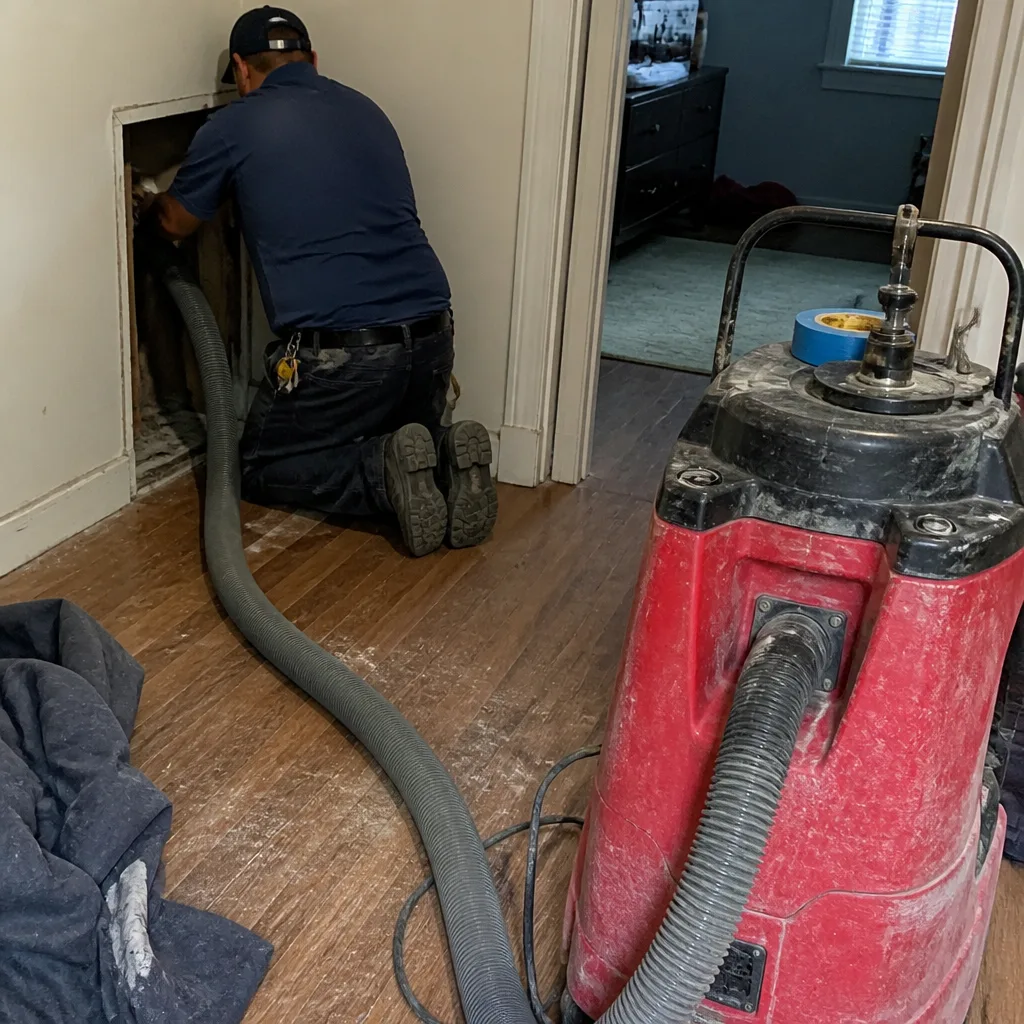 Before
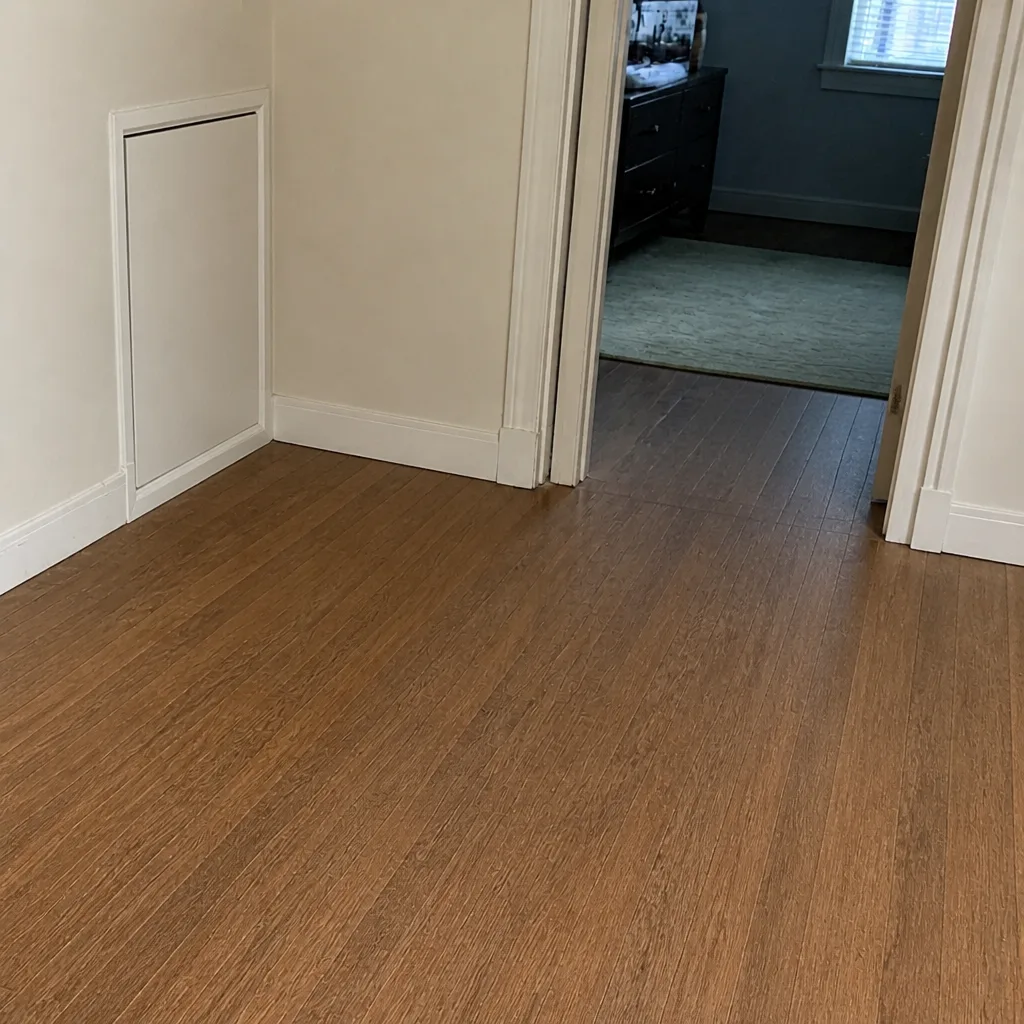 After
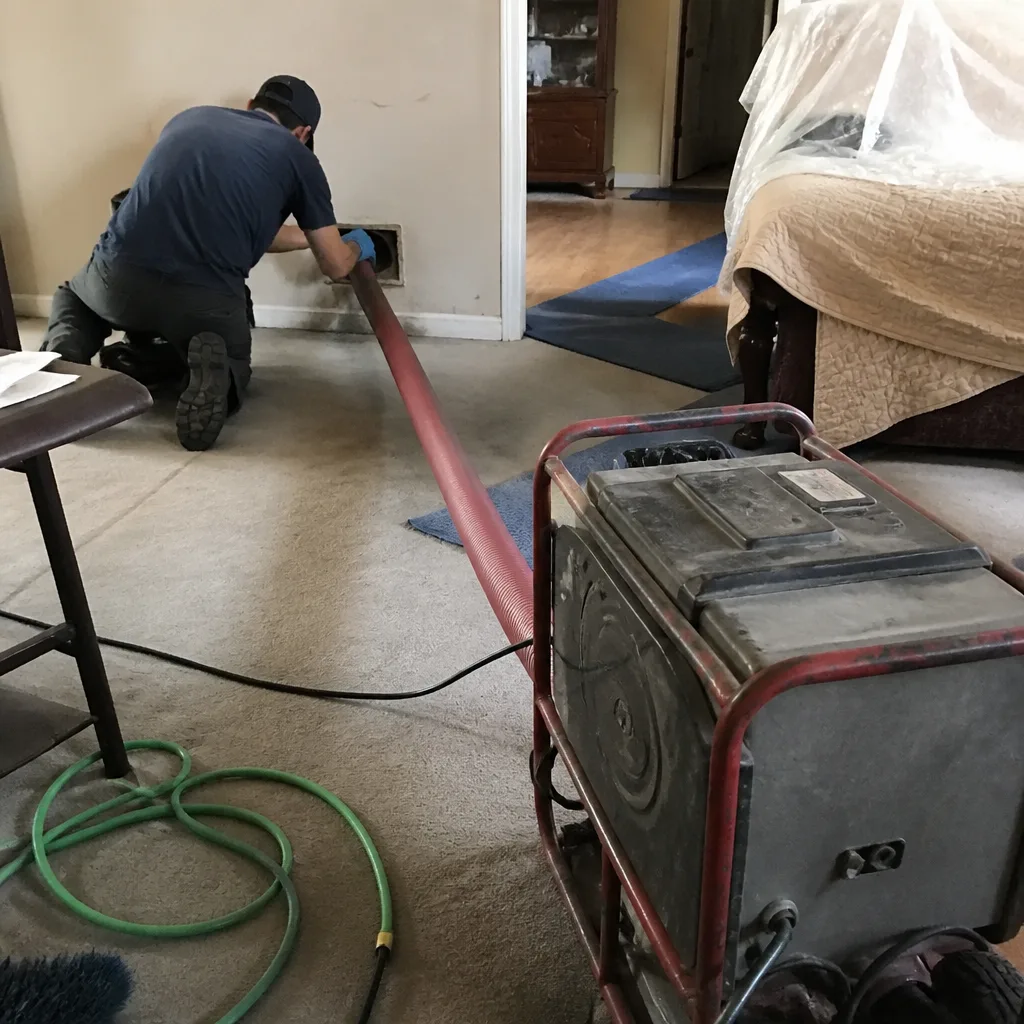 Before
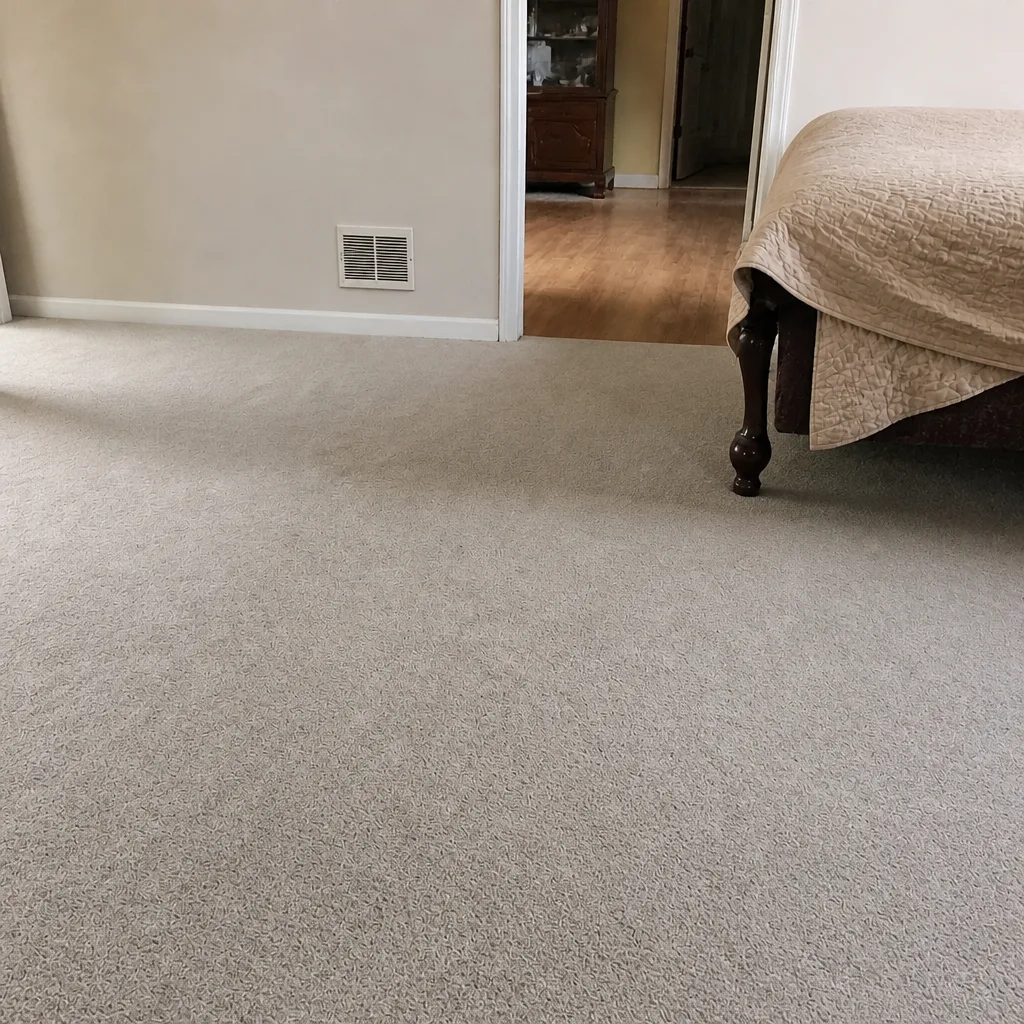 After
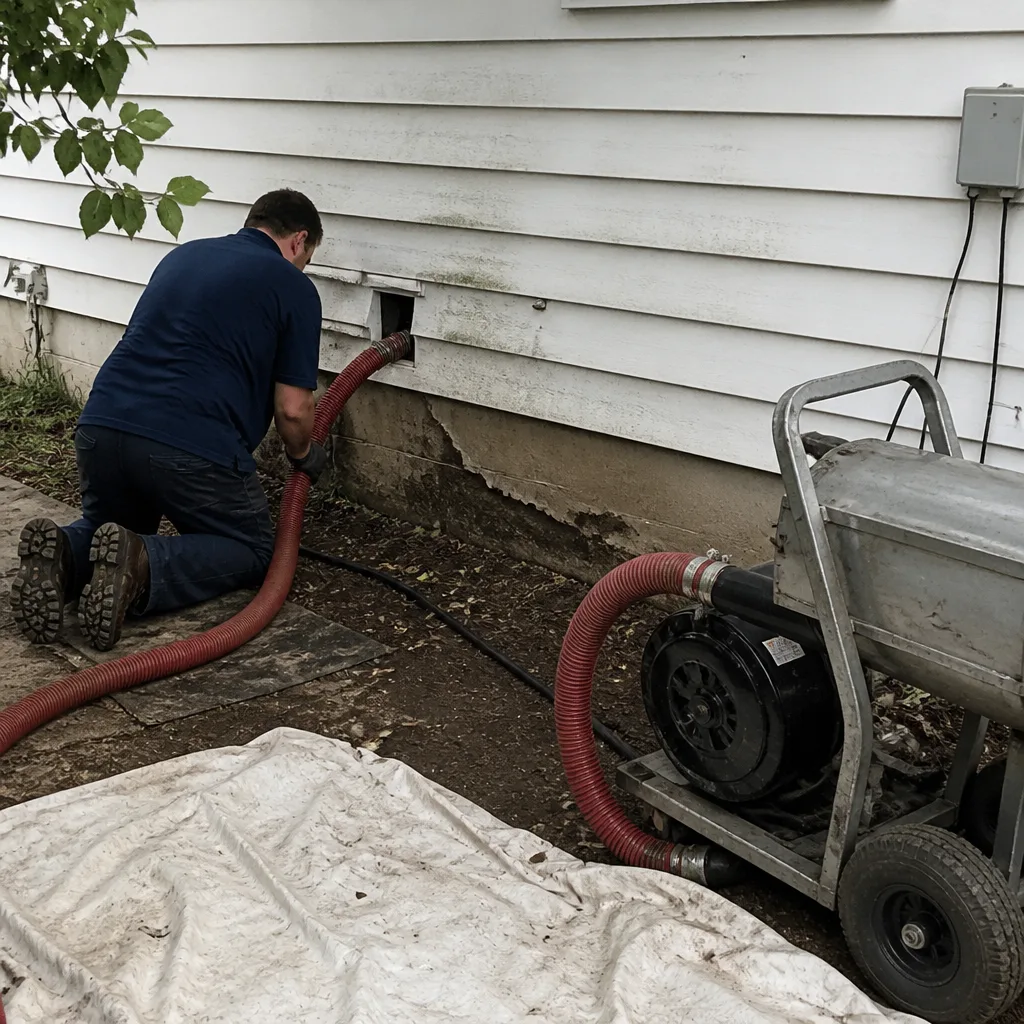 Before
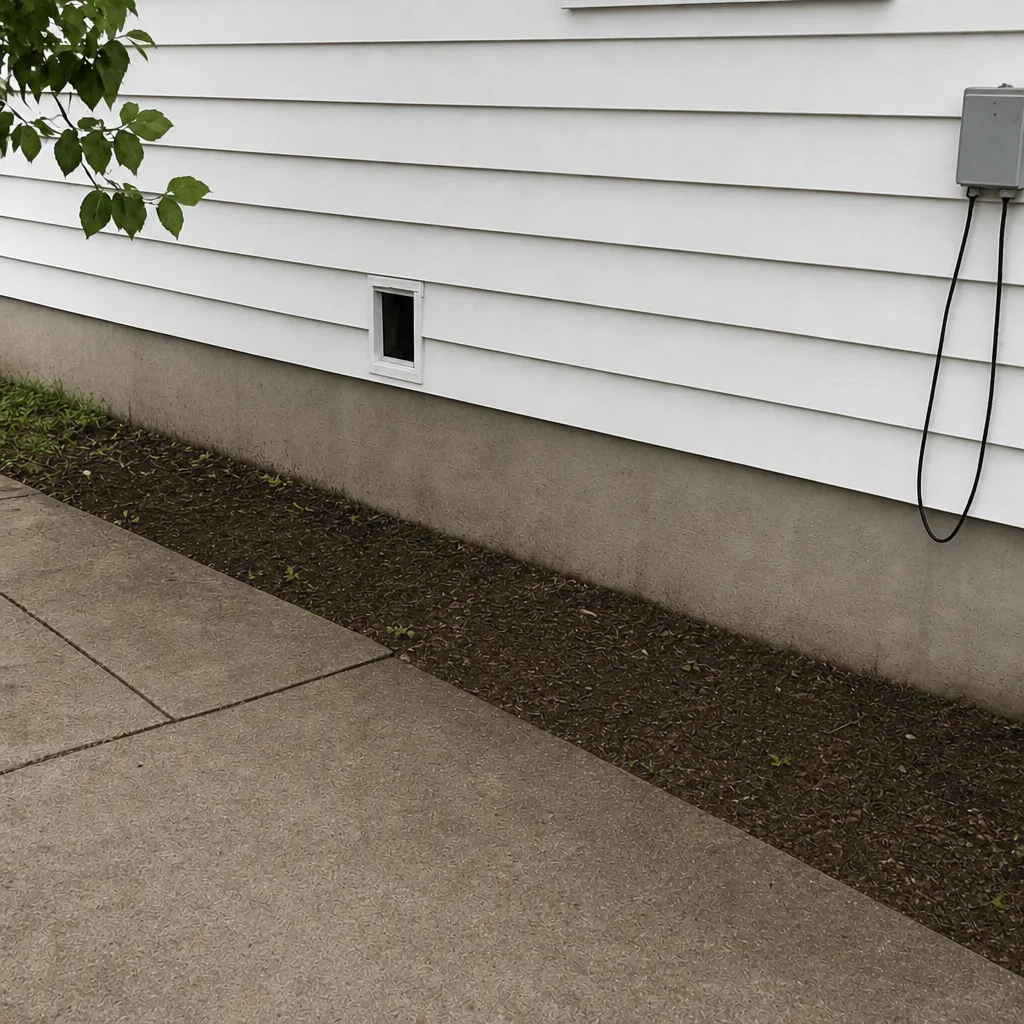 After
Frequently Asked Questions
A typical whole-home source-removal cleaning in St. George runs $350 to $700 for a single-zone system, and $700 to $1,200 or more for larger homes with multiple zones or heavier load in trunks and plenums. Added services like sanitizing, HVAC coil cleaning, and duct repair are priced separately. Call (888) 848-7351 for an exact quote – estimates are free.
Because they’re not doing the same job. Low quotes typically exclude the return plenum, the trunk lines, and camera inspection, and often use a blow-and-go method without a HEPA vacuum sealed to the system. The result is debris redistributed rather than removed, and the home needs the work again in a season. Ask any company up front which method they use and what equipment they bring. Call (888) 848-7351 for a straight comparison.
Ask for camera photos of your own ducts, before and after, including trunk lines and the return plenum above the air handler. On a proper job the technician uses a Rotobrush contact-cleaning system with a camera on a reel, so photos are automatic. If a crew can’t produce them, the work isn’t verifiable. We photograph every job; call (888) 848-7351 to book one.
For most homes in St. George, every three to five years is reasonable, sooner if you’ve had a renovation, moisture intrusion, pets, or symptoms that point to duct issues. Homes with humid-climate biological growth may warrant more frequent sanitizing. There’s no fixed rule, and anyone who quotes you a yearly requirement without inspecting is guessing. Call (888) 848-7351 to schedule an inspection.
Yes, if a camera inspection shows a load in the trunk lines or plenum. The visible portion near the grille is usually the cleanest part of the system, because that’s where the airflow keeps it scrubbed. Contamination sits farther in, where the flashlight doesn’t reach. Call (888) 848-7351 to have us run a camera through and show you what’s there.
Yes, dryer vent cleaning is its own service at St. George Air Duct Cleaning Pros. It’s the fire-safety item in the air-system work, separate from duct cleaning and not bundled into it. If your dryer takes two cycles to dry a load or the outside vent flap barely opens, the vent is restricted. Call (888) 848-7351 to schedule it. We answer 24/7.
The Bottom Line
Duct cleaning is not a vacuuming event. It’s a sequence: inspection, source-removal cleaning under negative pressure, HVAC coil care, sanitizing, duct repair and sealing, and a filter that fits the system. Skipping any one of those steps leaves the system in a state that will need attention again within a season. For St. George homeowners, the humid summers make sanitizing and sealing especially important, and the older housing stock means trunk lines and plenums usually carry the heaviest load. The equipment matters, the sequence matters, and the camera inspection is the difference between a cleaning and a guess.
Related Pages
Ready to Have Your System Inspected?
If you’ve read this far, you know what to look for: camera inspection, sealed negative pressure, contact-cleaning equipment, and every trunk and plenum included. That’s what a visit from St. George Air Duct Cleaning Pros looks like. We use professional-grade equipment from Rotobrush, Nikro, and Abatement Technologies, we can work with your insurer if damage is involved, and we can work with your existing Honeywell or Aprilaire components on IAQ upgrades. One flat price per system, agreed before work starts, with before-and-after photos of your own ducts. Call (888) 848-7351 for a free estimate. We answer 24/7. Fast dispatch from 7am to 7pm, Sunday through Friday.
Written by the team at St. George Air Duct Cleaning Pros.