
Last updated November 25, 2026
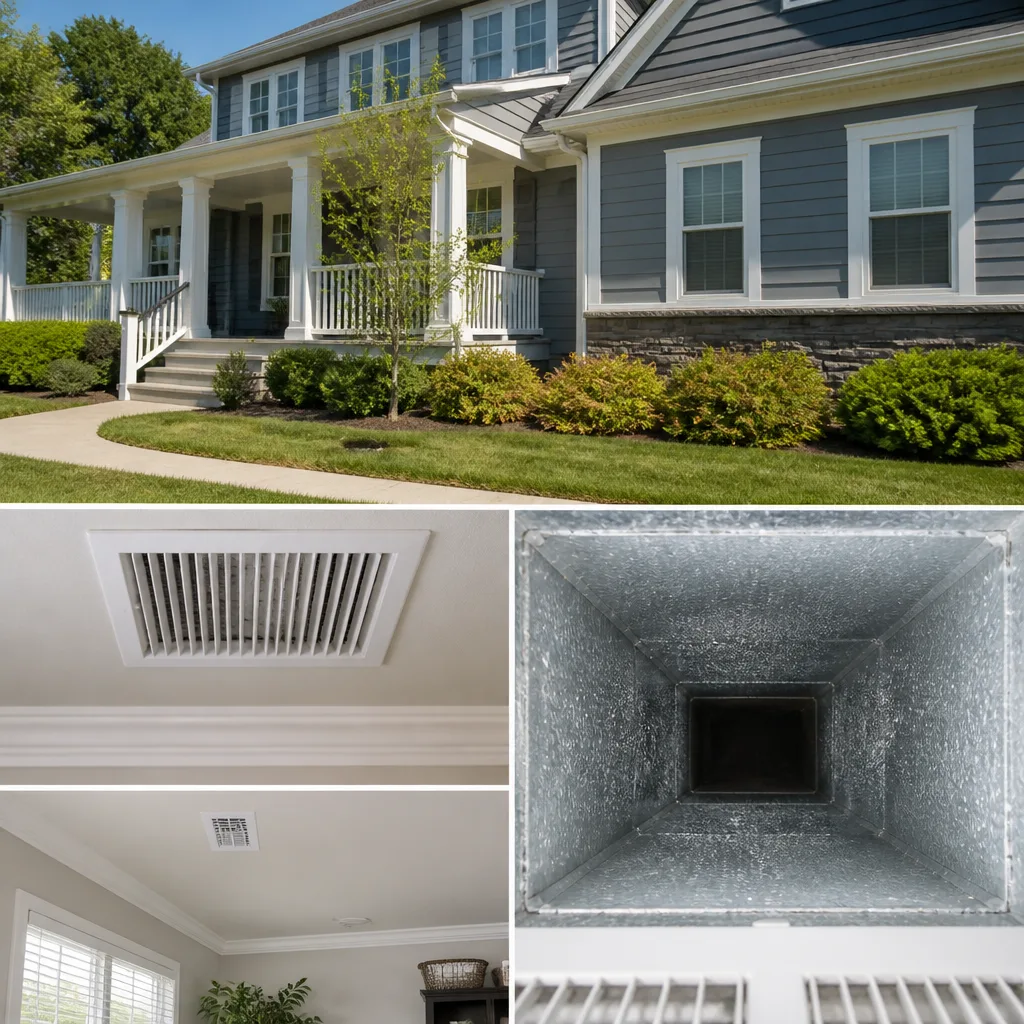 Whole-home duct cleaning
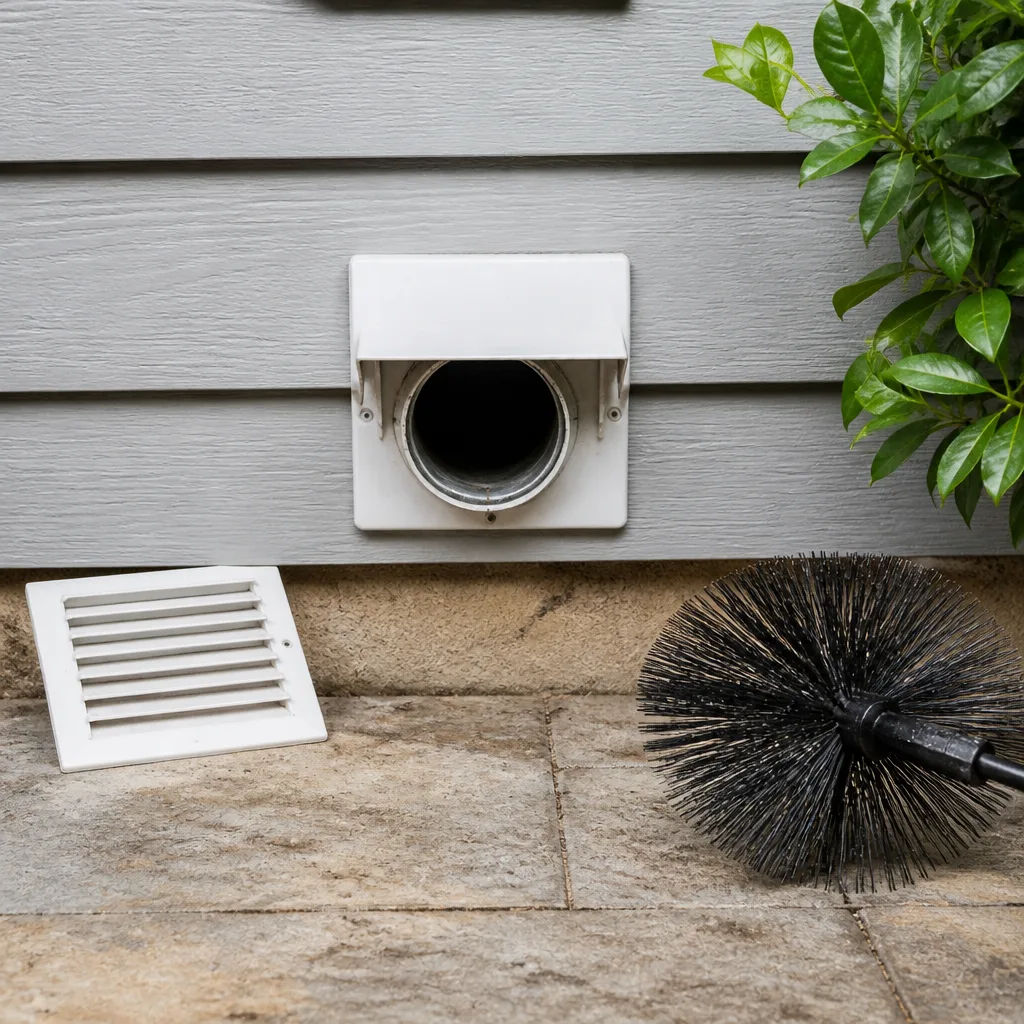 Dryer vent cleaning
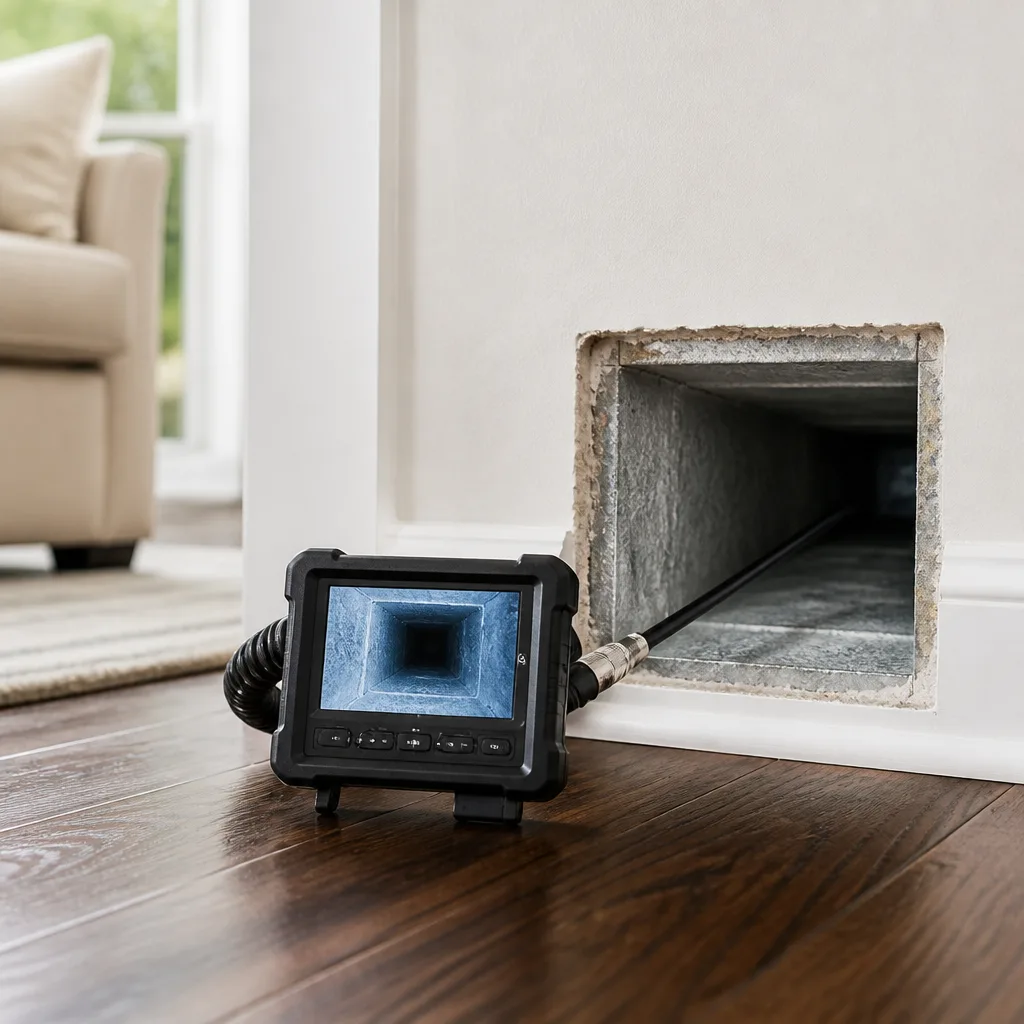 Camera inspection
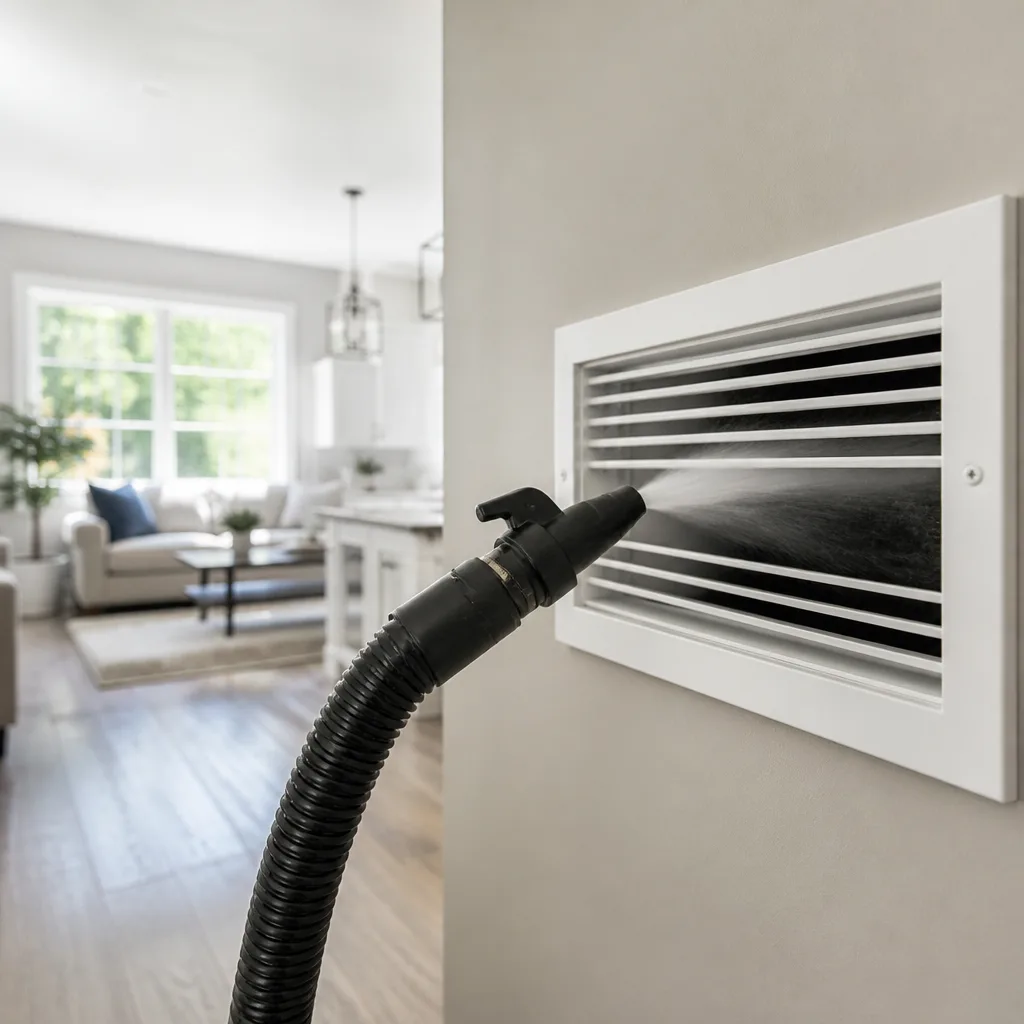 Sanitizing & deodorizing
Whole-system duct and dryer vent check with before-and-after photos - you see exactly what came out of your vents
That "$99 whole-house special" is a bait ad - the real number appears once they are in your hallway, or the "clean" is a shop-vac at the register. We photograph the inside of your ducts before and after instead.
Air Duct Cleaning Warning Signs: A St. George Homeowner’s Reference Guide
Most warning-sign articles tell you to look for dust puffing out of a register. By the time dust is visible, the problem has usually been building for months. The signals that actually matter in St. George homes are quieter: a bedroom that runs a few degrees colder than the thermostat, a smell that shows up only when the heat kicks on, a bill that creeps upward with no obvious cause. This guide walks through the early-stage behaviors that point to a duct problem before it turns into a health or efficiency crisis, and explains where in St. George these issues tend to surface first.
Quick Answer
The earliest reliable warning signs of a duct problem are uneven room temperatures, a recurring smell when the system starts, rising utility bills with no equipment change, and more frequent allergy symptoms indoors. Visible dust at registers usually shows up later. In St. George, older homes with original flex duct are the most likely to show these signs, and cleaning alone won’t fix a duct system that has collapsed liner or disconnected joints.
Styles & brands we work with
- Whole-home duct cleaning
- Dryer vent cleaning
- Camera inspection
- Sanitizing & deodorizing
Table of Contents
- Temperature Imbalance: The First Warning Sign Most People Miss
- What Your Ducts Smell Like, and What It Tells Us
- Allergy and Asthma Symptoms That Track With Duct Contamination
- Reading Utility Bill Increases Correctly
- Warning Signs Specific to Older St. George Homes
- What You Can Check Yourself Before Calling
- When Cleaning Alone Won’t Fix the Problem
- What a Full Duct Service Visit Actually Covers
Temperature Imbalance: The First Warning Sign Most People Miss
If one room in your home sits 4 to 6 degrees colder than the thermostat setting, and that gap holds steady through the day, the cause is usually a duct problem rather than a heating problem. Restricted airflow or a disconnected trunk joint starves that room of conditioned air. The furnace is doing its job. The air just isn’t arriving.
Homeowners often chase this with thermostat adjustments or extra space heaters. That masks the symptom without addressing the cause. A duct restriction keeps the rest of the house working harder to compensate, and the room stays cold regardless.
Here’s how a trained technician typically narrows down a temperature imbalance:
- Measure airflow at each register with a balometer or flow hood, comparing the weak room to nearby strong registers.
- Inspect accessible duct runs in the attic, crawlspace, or basement for crushed flex duct, sharp bends, or long uninsulated spans.
- Look for disconnected or poorly sealed joints at trunk takeoffs and register boots, which lose conditioned air into the attic cavity before it ever reaches the room.
- Check the damper position at branch takeoffs, since a partially closed damper from a previous balancing attempt can throttle a room completely.
- Confirm the equipment itself isn’t short-cycling or undersized before assuming the ducts are at fault.
In St. George homes with long attic duct runs, the combination of summer heat and marginal insulation on flex duct can exaggerate these imbalances. The attic can hit 140°F or higher, and a duct run passing through that environment loses a meaningful share of its cooling before it reaches the register. That’s why a temperature imbalance often looks worse in July than it does in December.
This is the sign we’d put at the top of the list. Temperature imbalance shows up months before dust ever becomes visible, and it’s the earliest reliable indicator that a duct system needs attention in a St. George home.
What Your Ducts Smell Like, and What It Tells Us
The smell profile of a duct problem is diagnostic. Different odors point to different failures, and knowing which is which saves time and money on the wrong service. This is one area where generic duct cleaning advice misses the mark.
Musty or “wet basement” smell. That points toward moisture or biological growth somewhere in the system. In St. George this is less about humid outdoor air and more about condensation forming on cold duct surfaces, plumbing leaks dripping onto duct runs, or standing water in the air handler drain pan. A musty smell means water is finding a path into the airstream, and cleaning without finding the source will let the problem return.
Burned dust smell on system startup. This one is easy to misread. A faint burning-dust odor in the first few minutes of a heating cycle is usually dust burning off the heat exchanger, which is normal once or twice a season. When it happens every cycle, or gets stronger over weeks, it can point to dust accumulation on the heat exchanger or in the plenum, or to an airflow restriction that’s overheating the exchanger. Either way, it deserves a look.
Chemical or off-gassing smell. A plastic or solvent-like odor that arrives with the system running can come from a failing component, overheated wiring insulation, or a compromised flex duct liner breaking down inside the airstream. This one is a stop-and-call signal. Turn the system off and have it inspected.
A quick reference:
- Musty: moisture source or standing water, look for growth and drainage.
- Burn-dust every cycle: dust accumulation or airflow restriction at the heat exchanger.
- Chemical, plastic, or solvent: component failure or degrading liner, shut the system down.
- No consistent smell but symptoms: often points to debris or liner dust rather than active growth.
A smell that only appears when the system starts, and fades within a few minutes, still matters. It tells us the airstream is picking something up as it moves through the ducts, and the faster it’s picked up, the closer the source is to the register.
Allergy and Asthma Symptoms That Track With Duct Contamination
Allergy symptoms that get worse indoors, and worse still after the heating or cooling system runs for a while, are worth taking seriously. The pattern matters more than any single sneeze. If symptoms ramp up over a few weeks and match a change in the home (a renovation, new carpet, a season transition), duct contamination is a real suspect.
St. George’s climate plays into this. Spring brings a heavy pollen load, and homes that run evaporative coolers draw unfiltered outside air into the system. That’s very different from a refrigerated central system with a tight filter. Evaporative cooling introduces dust and pollen directly into ductwork, and if the ducts haven’t been cleaned in years, that material builds up and gets recirculated on every cycle. It’s one reason indoor allergy complaints in St. George can peak when outdoor pollen is already winding down.
Renovation is another trigger. Drywall dust and construction debris move easily into a duct system that’s running while work is going on. If allergy symptoms start within a few weeks of a kitchen or bath remodel, that sequence is the diagnosis. A post-renovation cleaning is often the fix, and professional HEPA filtration matters more than it does for a routine cleaning because fine drywall dust hangs in the air.
What to watch for:
- Symptoms that get worse indoors and better when you leave the house.
- A clear spike in symptoms that begins within a few weeks of a renovation.
- Symptoms that ease overnight when the HVAC system is off and return in the morning.
- Asthma symptoms that respond to a room air purifier but not to allergy medication alone.
Symptoms are never a standalone reason for a cleaning. They’re a signal worth combining with a temperature or smell check. Two or three signs pointing the same direction is what justifies a full inspection.
Reading Utility Bill Increases Correctly
An increase in your utility bill can mean three very different things, and only one of them is a duct issue. Getting this diagnosis right matters, because the wrong fix wastes money.
Restricted airflow. If bills climb alongside a temperature imbalance, reduced airflow, or a system that runs longer to hit the same setpoint, the ductwork is suspect. Clogged filters, crushed flex duct, and open joints all force the system to run longer to move the same air. Look for the combination: higher usage plus a room that won’t heat or cool properly.
Insulation loss. If bills climb but every room is still comfortable and airflow feels normal, insulation is the more likely culprit. Duct insulation in an attic degrades over time, especially under St. George’s summer sun. Losing R-value on a long attic run means the air arrives at the register already warmed (or, in winter, cooled). In that case duct insulation and sealing matter more than duct cleaning.
Equipment decline. If bills climb gradually over several seasons with no comfort complaints at all, the equipment is probably getting less efficient as it ages. A dying compressor or a failing blower doesn’t live in the ducts. A technician needs to diagnose that separately.
Here’s a simple way to sort them:
- Compare the same month year over year. A clear climb beyond rate increases is the signal to chase.
- Look for a temperature imbalance in any room. If there is one, ducts are the first suspect.
- Feel the register airflow on a strong run versus a weak one. A noticeable difference points to a restriction.
- Check the filter. A clogged filter mimics a duct restriction and costs nothing to rule out.
- Look for visible gaps at duct joints during any attic or crawlspace access.
If the bill is up and comfort is down, ducts deserve the first look. If the bill is up and comfort is fine, insulation and equipment come first.
Warning Signs Specific to Older St. George Homes
Older homes in St. George tend to have duct systems that were built for the home, not for the equipment or the lifestyle that followed. The original flex duct, if it hasn’t been replaced, may be thirty or forty years old. The trunk lines may have been modified by more than one contractor. Those systems carry specific failure modes that generic checklists don’t cover.
Deteriorating flex duct. Flexible duct has a limited lifespan. The outer jacket becomes brittle, the inner liner gets pinched at sharp bends, and the insulation thins. When the outer jacket tears, the duct starts pulling attic air into the airstream. That’s a contamination path that cleaning can’t close.
Collapsed inner liner. Flex duct contains a plastic inner liner inside the insulation sleeve. Over time the liner can sag or collapse inside the sleeve, which reduces the duct’s diameter without any visible external change. This shows up as low airflow at a single register that looks fine from the outside. It’s one of the most common causes of an unexplained cold room in older St. George homes.
Disconnected trunk joints. Metal trunk lines were often joined with tape that has since degraded. A disconnected joint dumps conditioned air into the attic or crawlspace rather than the room. In a hot St. George attic this is a double loss: the air is wasted, and the system has to run longer to replace it.
Oversized or undersized return paths. Older homes sometimes have one undersized return serving a system that was upgraded. That limits how much air the system can move, and it strains the blower. A sealed duct system can’t fix an undersized return; it needs to be reworked.
If a home you own shows any of these signs, cleaning is only part of the answer. Duct repair and sealing is the other half. That’s why we include St. George Air Duct Cleaning Pros duct repair and sealing as a core service rather than an add-on; the structural cause has to be addressed or the cleaning won’t hold.
What You Can Check Yourself Before Calling
Before you call anyone, there’s a handful of things you can check without tools. None of them tell you whether ducts need cleaning, but they’ll tell you whether a professional visit is worth scheduling.
- Walk every room with the system running and listen for whistling or hissing registers, which point to a restriction or a leak.
- Note the temperature of each room against the thermostat setpoint. Two degrees of variance is normal; five or six is a signal.
- Look at the air filter. A filter that clogs within a month is telling you the system is pulling heavy debris from somewhere.
- Look at the register grilles for dark dust streaking around the edges, which often points to a leak at the register boot.
- Smell the airstream on the first startup of the day. Note the character of any odor and whether it fades.
- Check the attic or crawlspace if it’s safe to access, looking for sagging flex duct, disconnected joints, or moisture stains.
What not to do: don’t remove register covers and reach into the ductwork. Duct interiors can contain sharp metal edges, insulation fibers, and in some cases rodent waste. Any material you disturb can end up in the airstream you’re trying to clean. Note what you see rather than what you can pull out.
What you learn here feeds the conversation when you call. A technician who knows your cold room is 6 degrees off and your attic has sagging flex duct can be prepared with the right equipment on the first visit.
When Cleaning Alone Won’t Fix the Problem
Duct cleaning removes what’s inside the ducts. It doesn’t reconnect a joint that’s been open for years, rebuild a collapsed liner, or reseal a trunk line someone cut into during a renovation. In older St. George homes, a lot of duct problems fall into the category of “cleaning reveals the real problem.” That’s a good thing; it’s just not the end of the job.
Signs that cleaning alone won’t be enough:
- A temperature imbalance in one room that persists after cleaning.
- Visible dust streaks around a register boot even when the duct behind it is clean.
- An attic or crawlspace inspection that shows disconnected joints, crushed runs, or deteriorated jacket material.
- A smell that returns within weeks of cleaning, which usually points to a moisture source that wasn’t fixed.
- Static pressure readings that stay high after cleaning, indicating a sizing problem or an obstruction the cleaning couldn’t reach.
When any of these show up, duct repair and sealing is the next step. Sealing a disconnected joint stops air loss and restores the pressure balance. Replacing a collapsed liner restores the airflow to the room. Rebuilding an undersized return solves a blower-strain problem that cleaning never touches.
This is also where the split between duct cleaning and air duct cleaning performed on a closed system matters. Cleaning is what removes debris; sealing is what keeps the system tight and keeps the temperature balance working after the cleaning is done. Both matter, and they solve different problems.
What a Full Duct Service Visit Actually Covers
Most homeowners only think about duct cleaning when they notice one symptom. In our experience, when the symptoms point to ducts, they usually point to more than one part of the air pathway at once. A full visit addresses the whole system rather than one piece of it.
The services we cover in St. George homes:
- air duct cleaning: source-removal cleaning with Rotobrush contact-cleaning systems and Nikro HEPA vacuums, the same equipment used in commercial and restoration work.
- dryer vent cleaning: a dedicated fire-safety service, not a bundled upsell. Lint accumulation in the dryer vent is a real fire risk, and it’s separate from the HVAC duct system entirely.
- HVAC cleaning: cleaning the air handler, blower, coil, and plenum, where a lot of the material that ends up in ducts actually originates.
- Duct repair and sealing: addressing the collapsed liner, disconnected joints, and insulation damage that cleaning alone can’t solve.
- Air quality sanitizing: post-cleaning treatment with Abatement Technologies air scrubbers, and whole-home upgrades through the Honeywell and Aprilaire product ecosystem when the system needs better filtration and humidity control.
What that looks like on a typical visit:
- Inspect the full duct system, heat exchanger, and accessible runs.
- Set up negative-pressure containment so the cleaning doesn’t blow debris into the living space.
- Clean each branch and the main trunk with contact equipment.
- Clean the air handler and coil if the scope includes HVAC cleaning.
- Repair and seal any joints or liner issues found during the inspection.
- Confirm the result with before-and-after photos of the customer’s own ducts.
The temperature imbalance, smell, and comfort checks at the start of the guide are the reason this full scope matters. A symptom that started as a cold room can trace back to a collapsed liner, a disconnected joint, and a dirty coil at the same time. Fixing one of the three leaves the other two still driving the problem.
Common Mistakes to Avoid
- Chasing a cold room with thermostat adjustments. Setting the thermostat higher to warm the cold bedroom overheats the rest of the house and hides the actual restriction. The temperature imbalance is data you shouldn’t wipe out.
- Assuming all duct cleaning is the same. A vacuum truck at the register is not contact cleaning. Professional systems like Rotobrush clean each run with brushes and contact, which is the difference between actually cleaning the liner and just pulling loose dust.
- Cleaning without inspecting for structural problems. If the attic contains sagging flex duct or a disconnected trunk joint, cleaning will remove debris but the comfort problem returns. In older St. George homes this is common enough that we treat the inspection as the starting point, not the cleaning.
- Ignoring the dryer vent. Dryer vent clogging is a fire-safety issue distinct from HVAC ducts. If the dryer takes longer to dry or the vent flap outside stays partly closed, that’s a real risk that deserves its own visit.
- Skipping the filter. A clogged filter can mimic every duct-problem symptom in this guide and costs nothing to rule out first.
- Running the system during a renovation. Drywall and construction dust will settle into the ducts if the system runs during a remodel. Waiting to run the system, or scheduling a post-renovation cleaning, is the standard precaution.
- Assuming visible dust is the first sign. The temperature, smell, and comfort signs nearly always show up first. Visible dust usually means the buildup has already been going on for a while.
See the difference
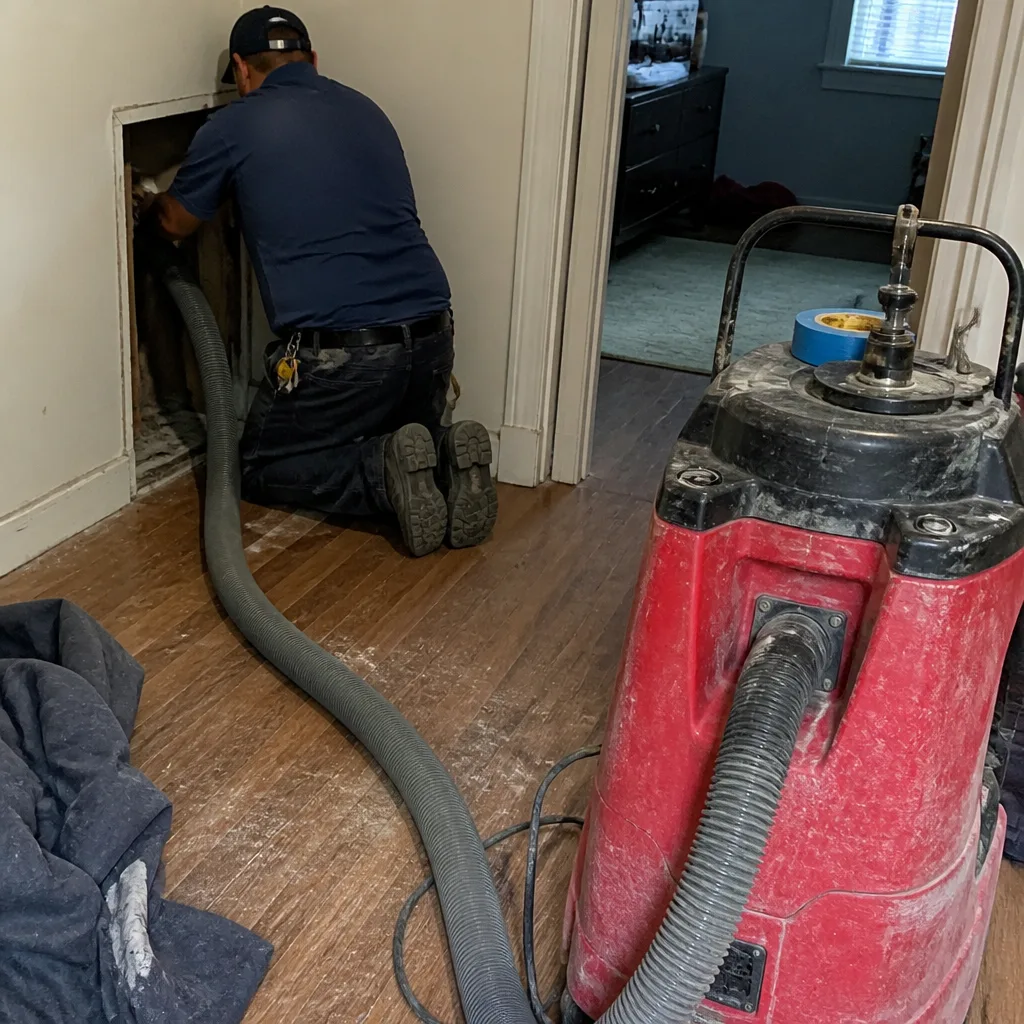 Before
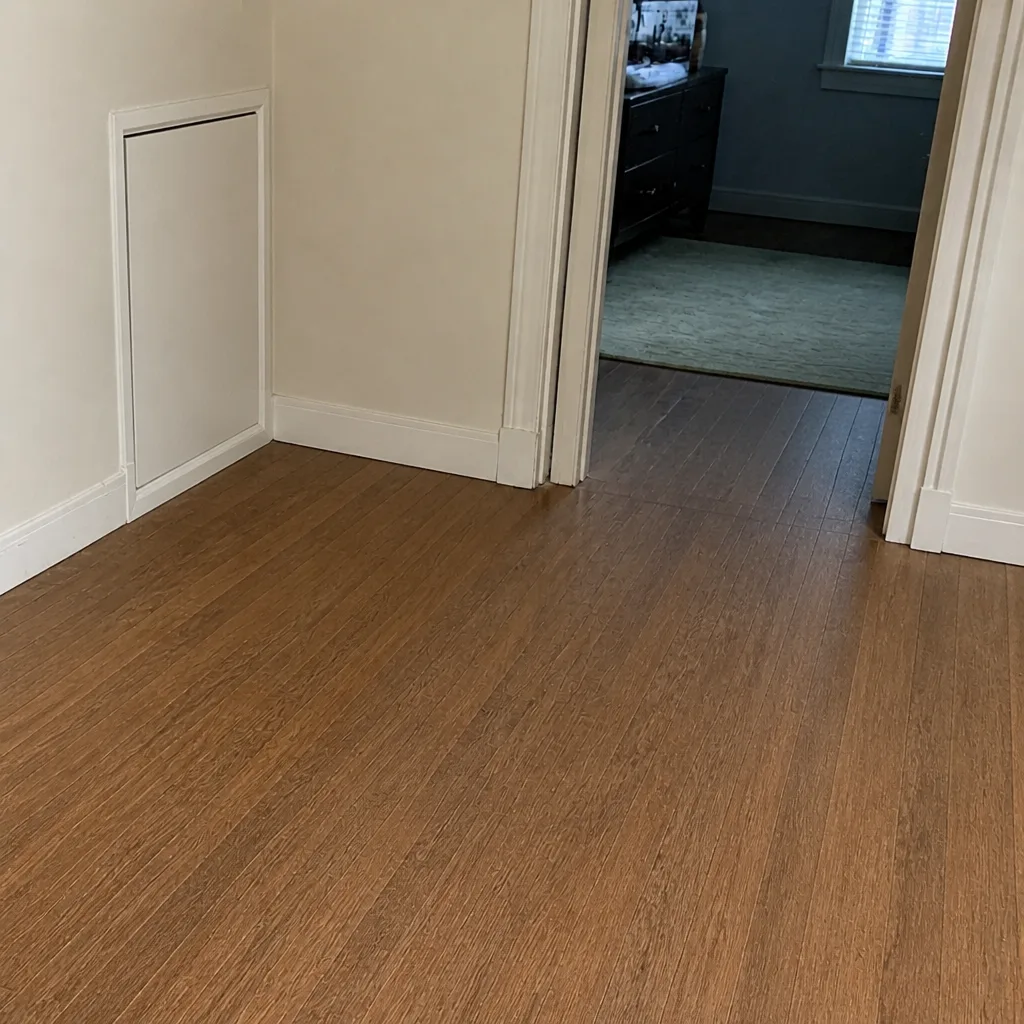 After
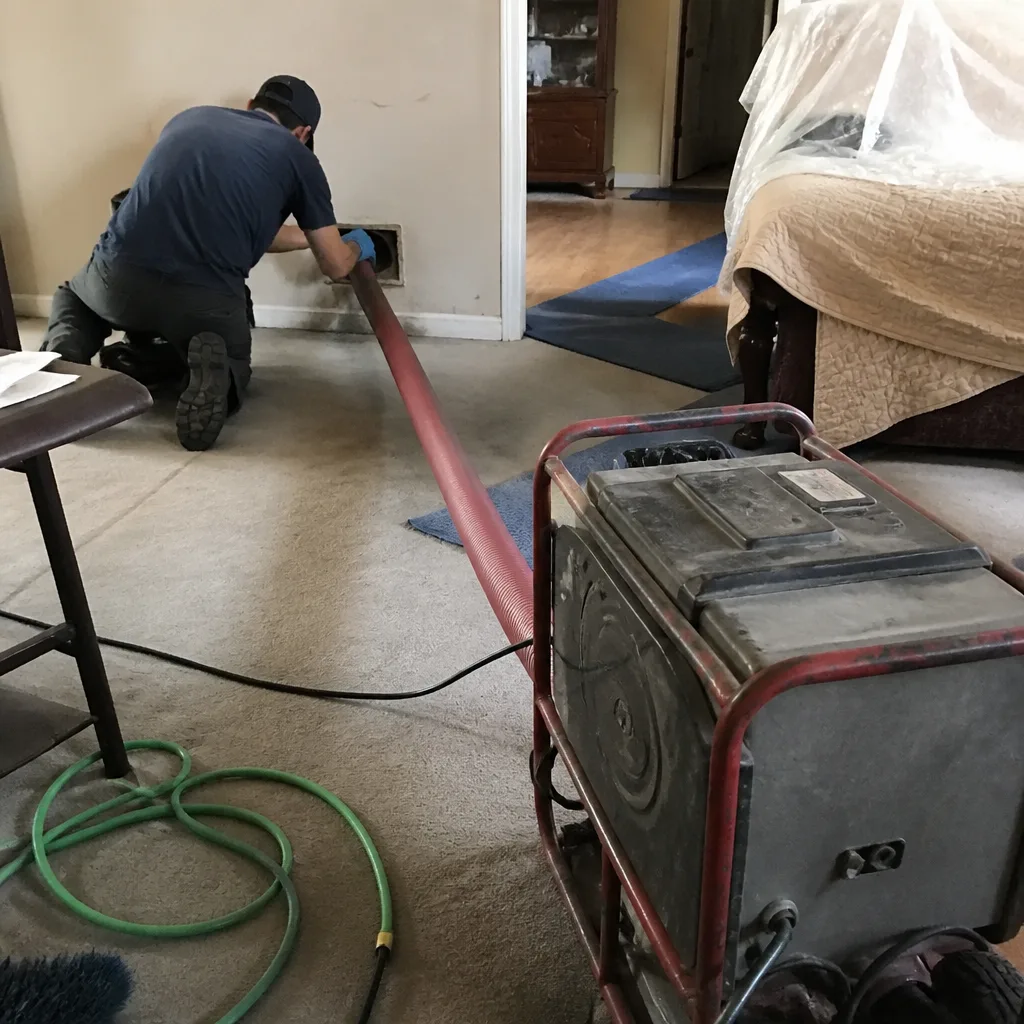 Before
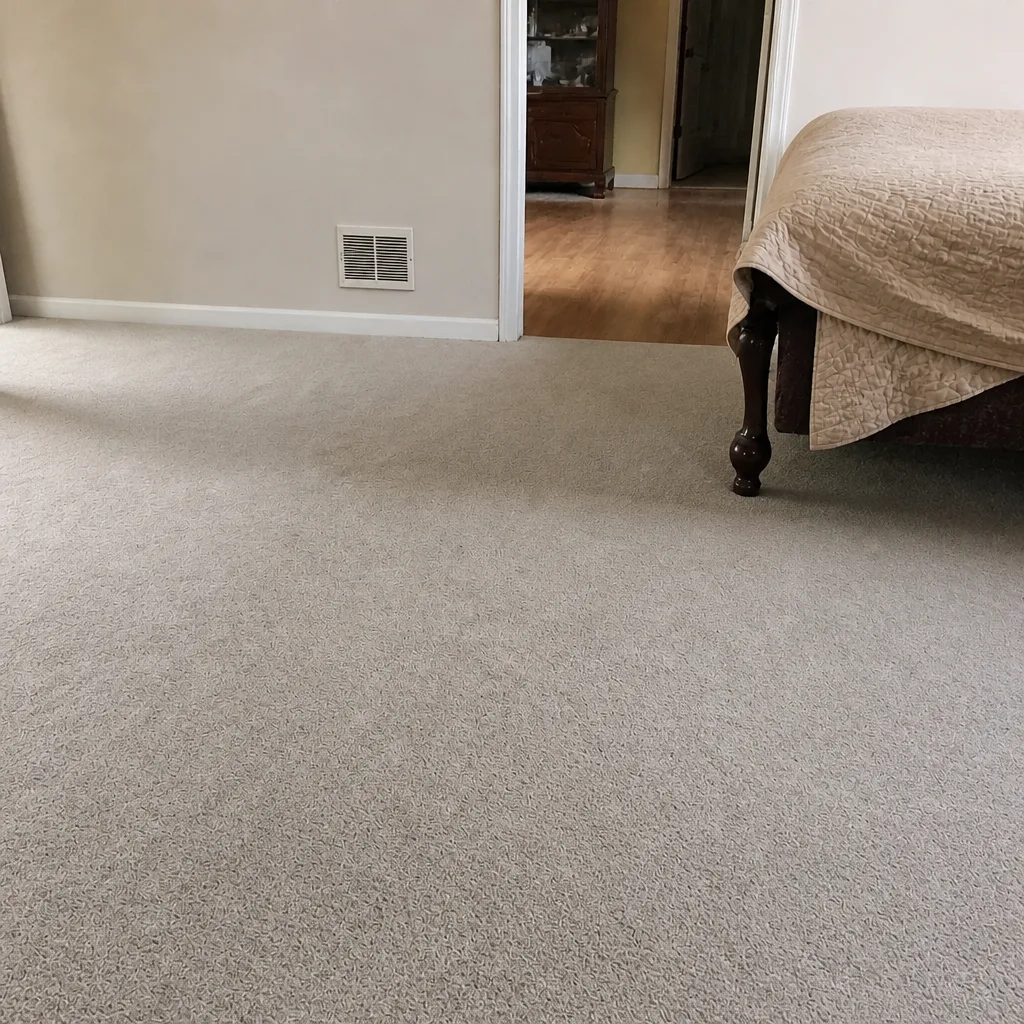 After
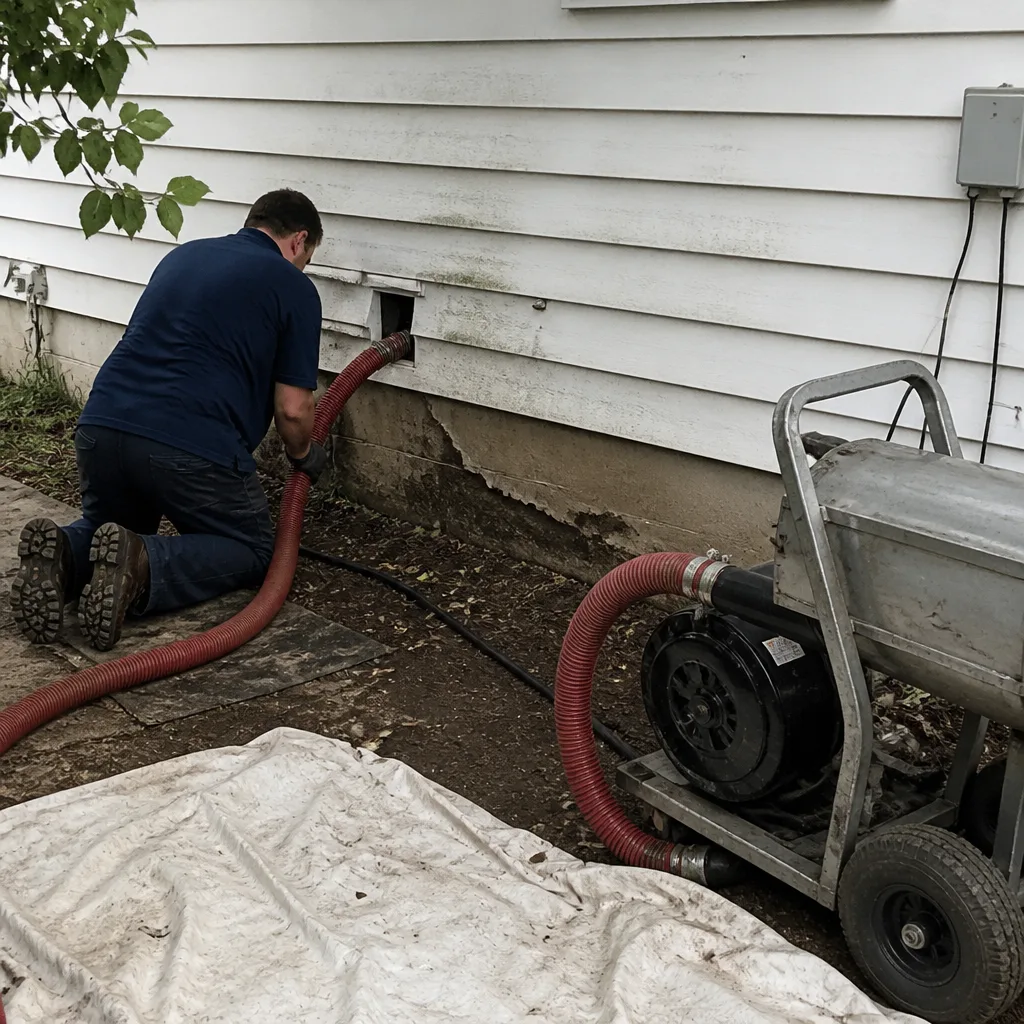 Before
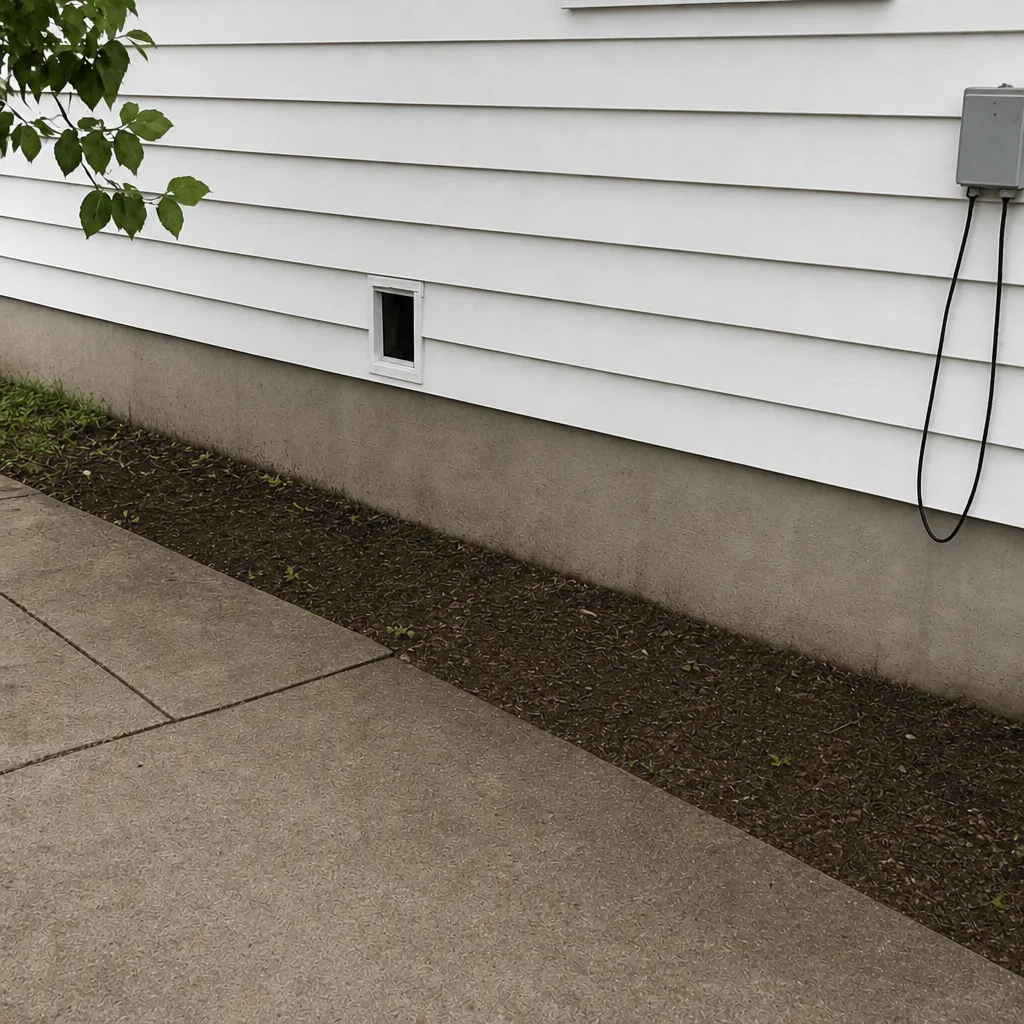 After
When to Call a Professional
Call a professional when you have two or more of the signs in this guide, when you own an older St. George home with original flex duct, or when a smell in the airstream is chemical or recurring. Call sooner if your dryer vent shows any sign of restriction, since that’s a fire-safety issue. Call sooner still if you’re about to close on a home and haven’t seen the ducts; an inspection is worth having before you commit. St. George Air Duct Cleaning Pros offers free estimates in St. George. Call (888) 848-7351. We answer 24/7. Fast dispatch from 7am to 7pm, Sunday through Friday.
Frequently Asked Questions
A temperature imbalance between rooms, usually one room running 4 to 6 degrees off the thermostat setting, is the earliest reliable sign. It shows up months before visible dust because restricted airflow stops conditioned air from reaching the room long before debris buildup becomes noticeable at a register.
If every room is comfortable and air feels strong but bills or symptoms are up, the equipment is the first suspect. If one room is cold, some registers have weak flow, or a smell appears on startup, ducts are the first suspect. A professional inspection separates the two quickly.
Older homes with original flex duct are the most prone to collapsed inner liners and deteriorating jacket material. Attic duct runs take a beating in St. George’s summer heat, and disconnected trunk joints that were sealed with degraded tape are common. These are structural problems cleaning alone won’t solve.
Whole-system pricing depends on system size, number of branches, and whether the visit includes repair or HVAC cleaning. A written estimate is what sets the final price, and we agree to a flat price per system before any work starts so there’s no per-register surprise. Call (888) 848-7351. We answer 24/7. Fast dispatch from 7am to 7pm, Sunday through Friday.
Low teaser prices are usually a per-register rate that grows into a much larger invoice once the technician is on site, or a service that pulls loose dust without contact-cleaning the branches. The way to avoid that is to ask for a flat price per system and before-and-after photos of your own ducts before you book.
Most homes don’t need annual cleaning. Cleaning is worth doing when the warning signs point to it, after a renovation that introduced construction dust, or when a home changes hands. Homes in windy parts of St. George with a lot of dust coming through windows may need attention more often than others, but the signs in this guide are the more reliable trigger than a fixed calendar.
The Bottom Line
The signals that actually matter in a St. George home are temperature imbalance, smell profile, allergy patterns, utility bills, and structural duct failure in older systems. Visible dust is not the first warning, it’s the last. If you own an older home with original flex duct, that guide to the warning signs is also a guide to your likely problem: collapsed liners and disconnected joints are common, and cleaning fixes them only when it’s paired with duct repair and sealing. If two or more of these signs are present, an inspection is worth scheduling. Call (888) 848-7351 for a free estimate from St. George Air Duct Cleaning Pros. We answer 24/7. Fast dispatch from 7am to 7pm, Sunday through Friday.
Our technicians have up to 11 years of experience, and the equipment in the home reflects it: Rotobrush contact-cleaning systems, Nikro HEPA vacuums, Abatement Technologies air scrubbers, and Guardsman-grade sealing materials. Every visit ends with before-and-after photos of your own ducts so you can see the difference rather than take our word for it.
Written by the team at St. George Air Duct Cleaning Pros.