
Last updated November 25, 2026
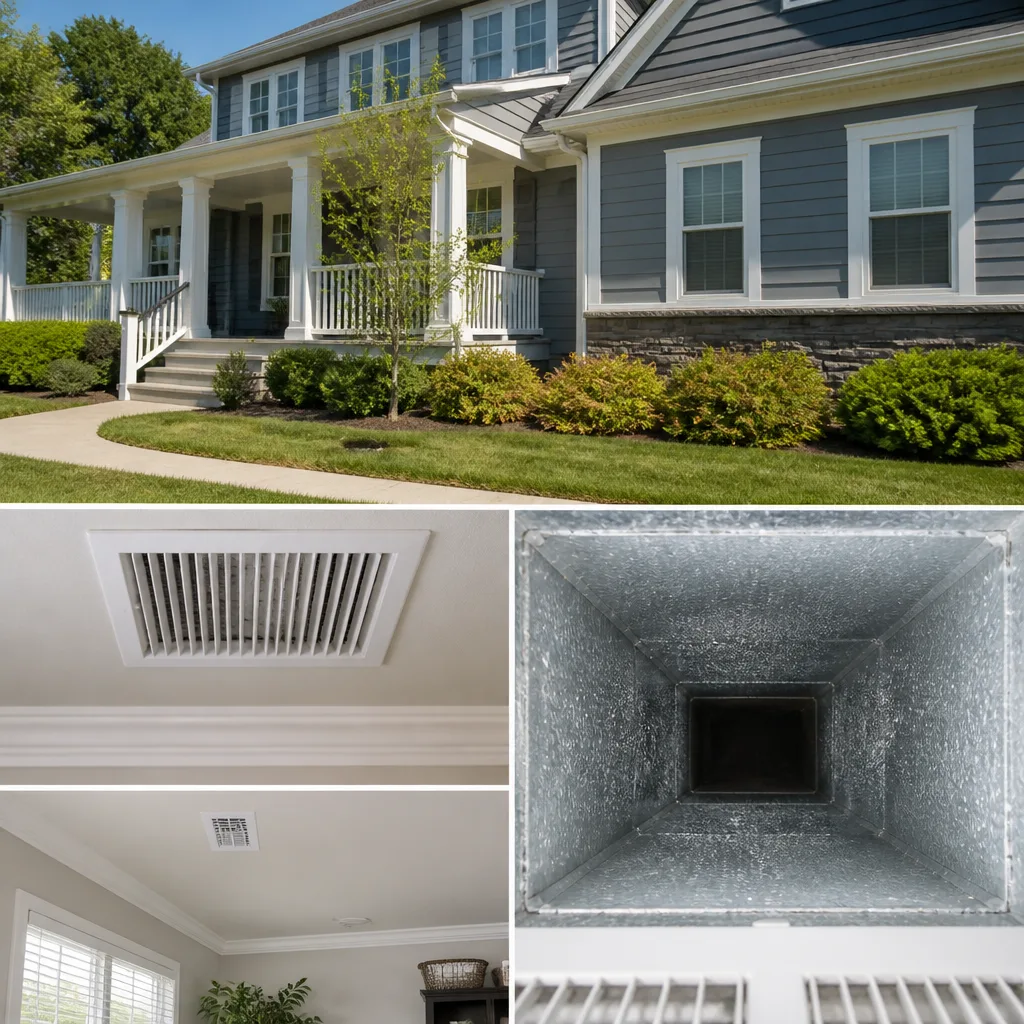 Whole-home duct cleaning
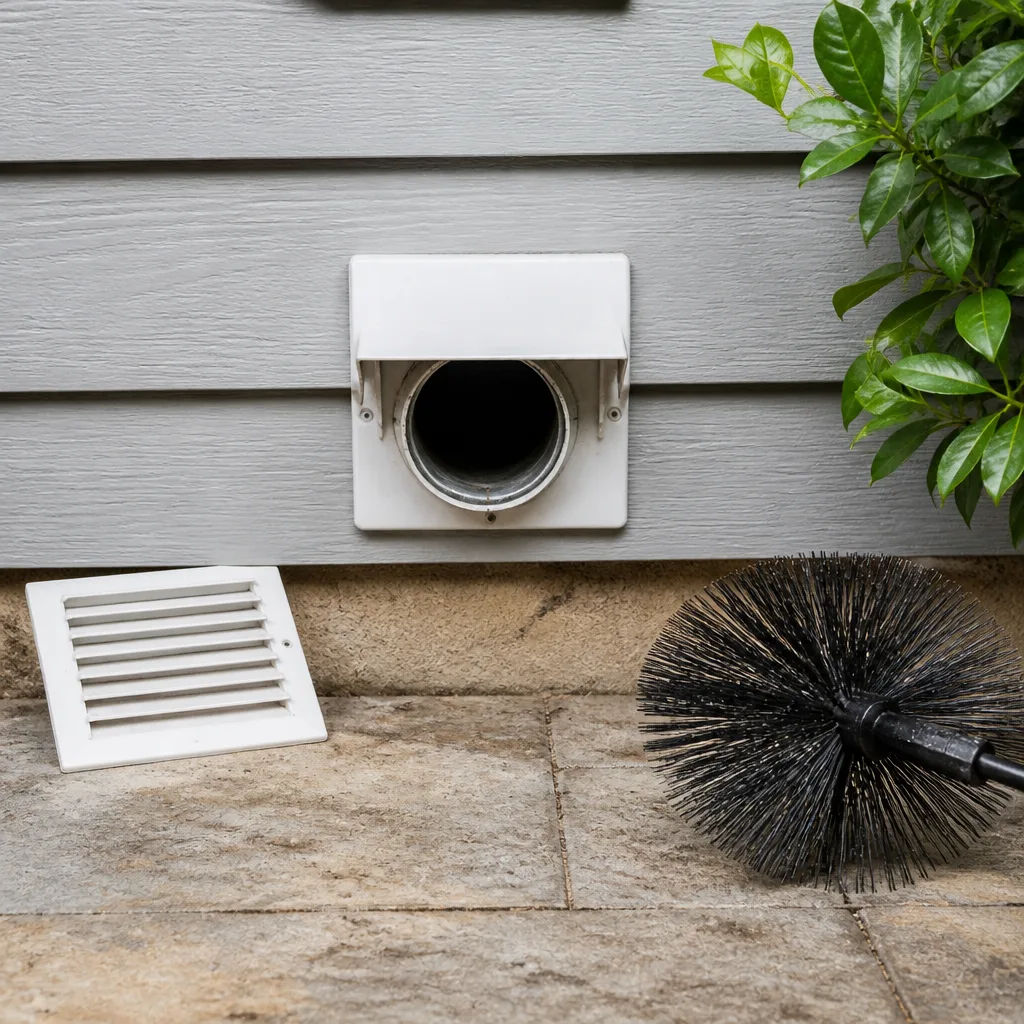 Dryer vent cleaning
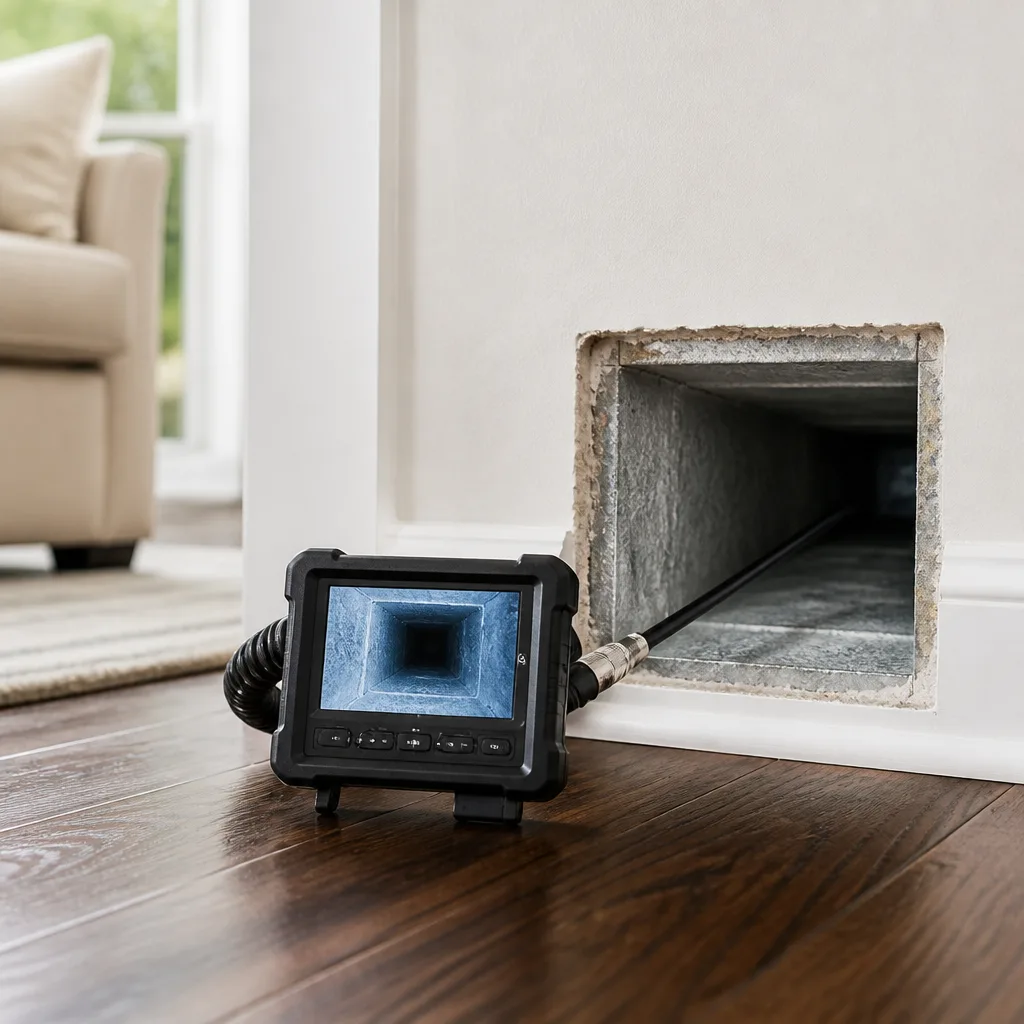 Camera inspection
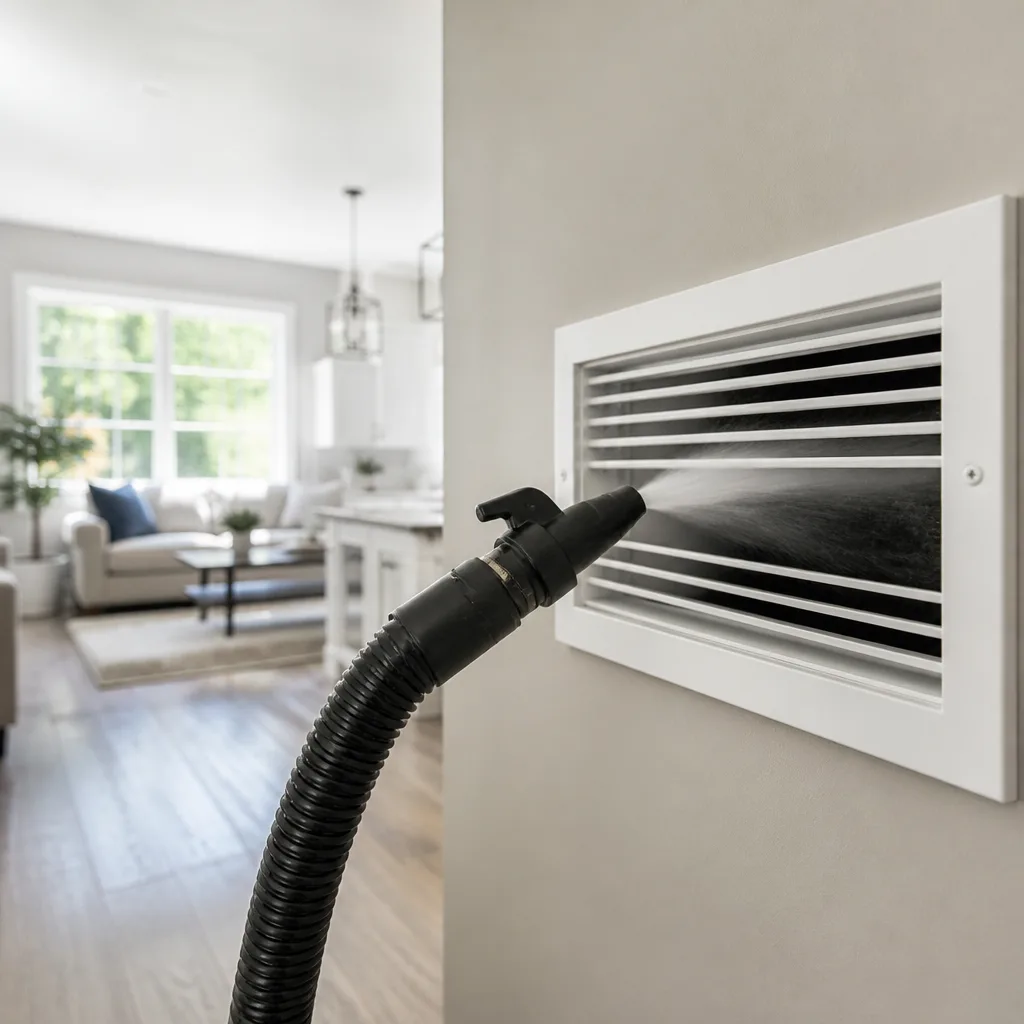 Sanitizing & deodorizing
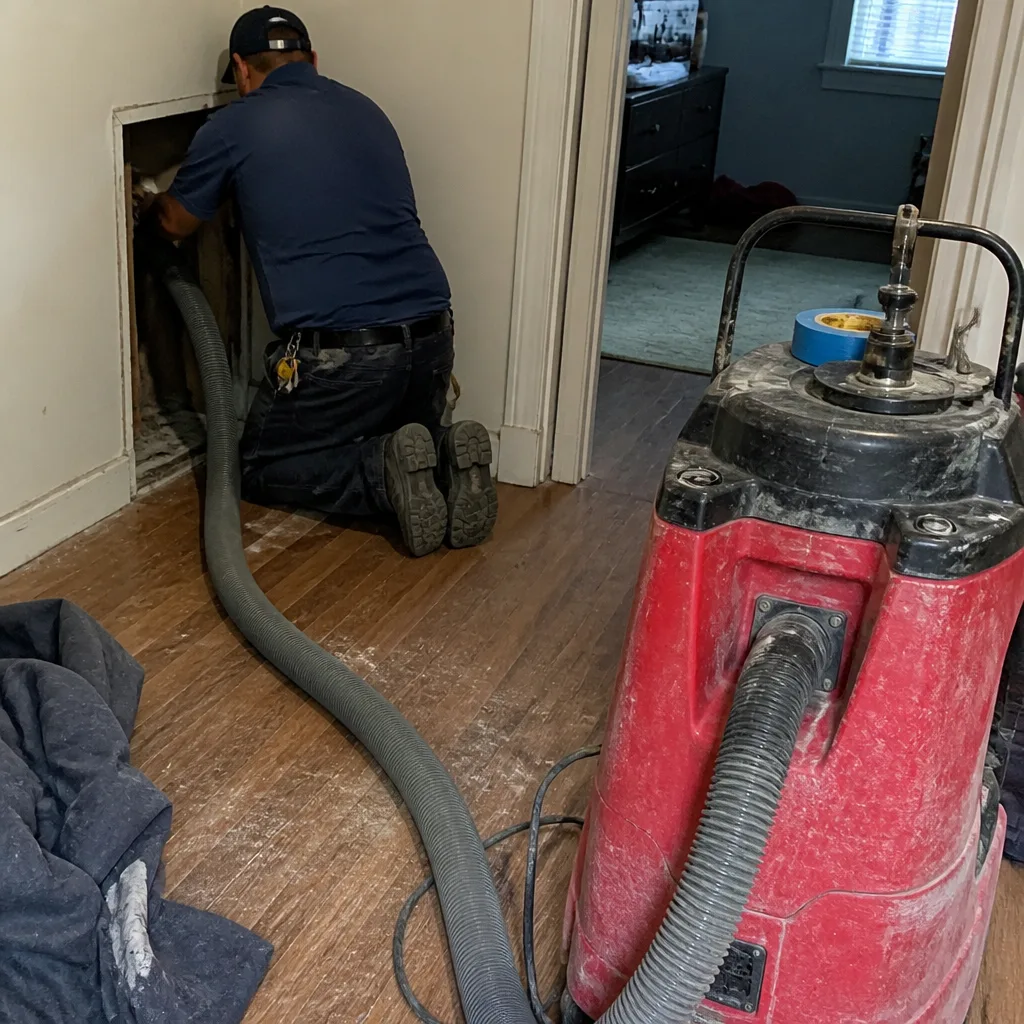
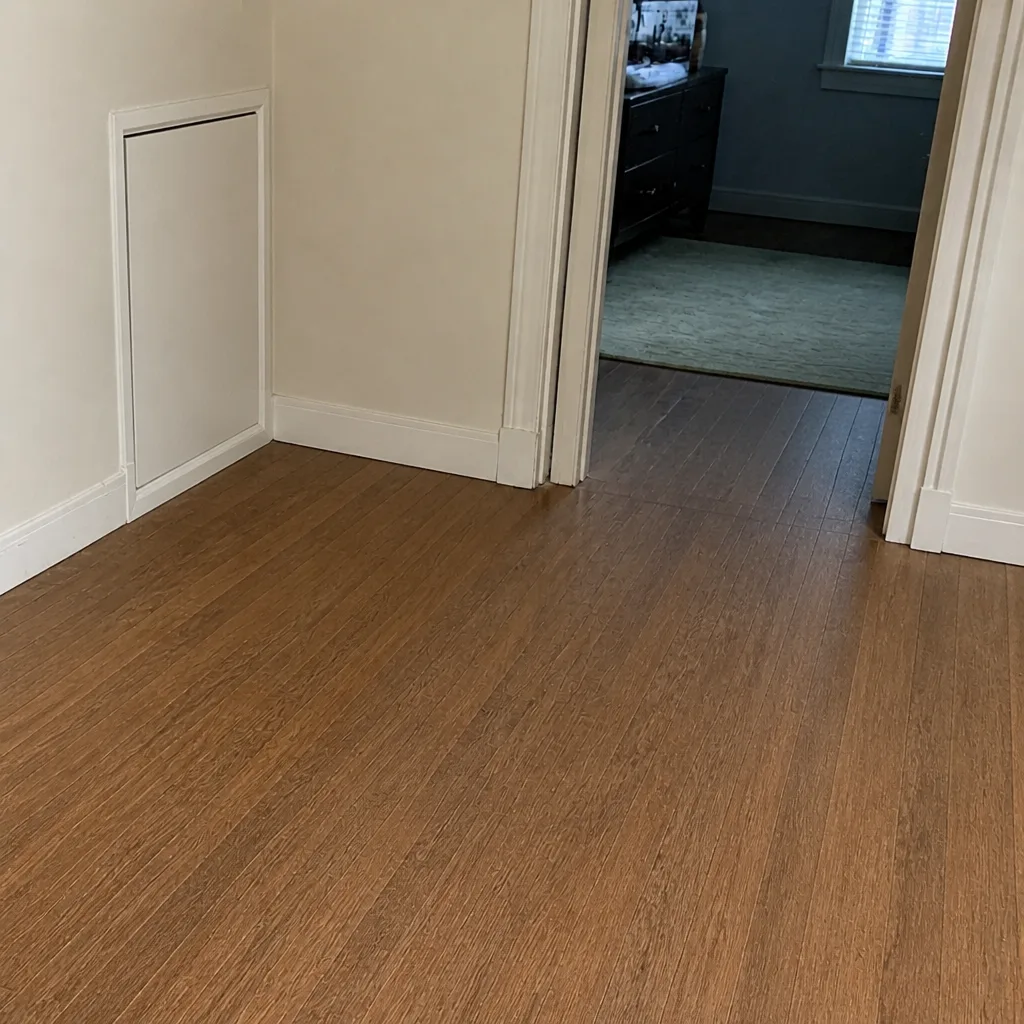
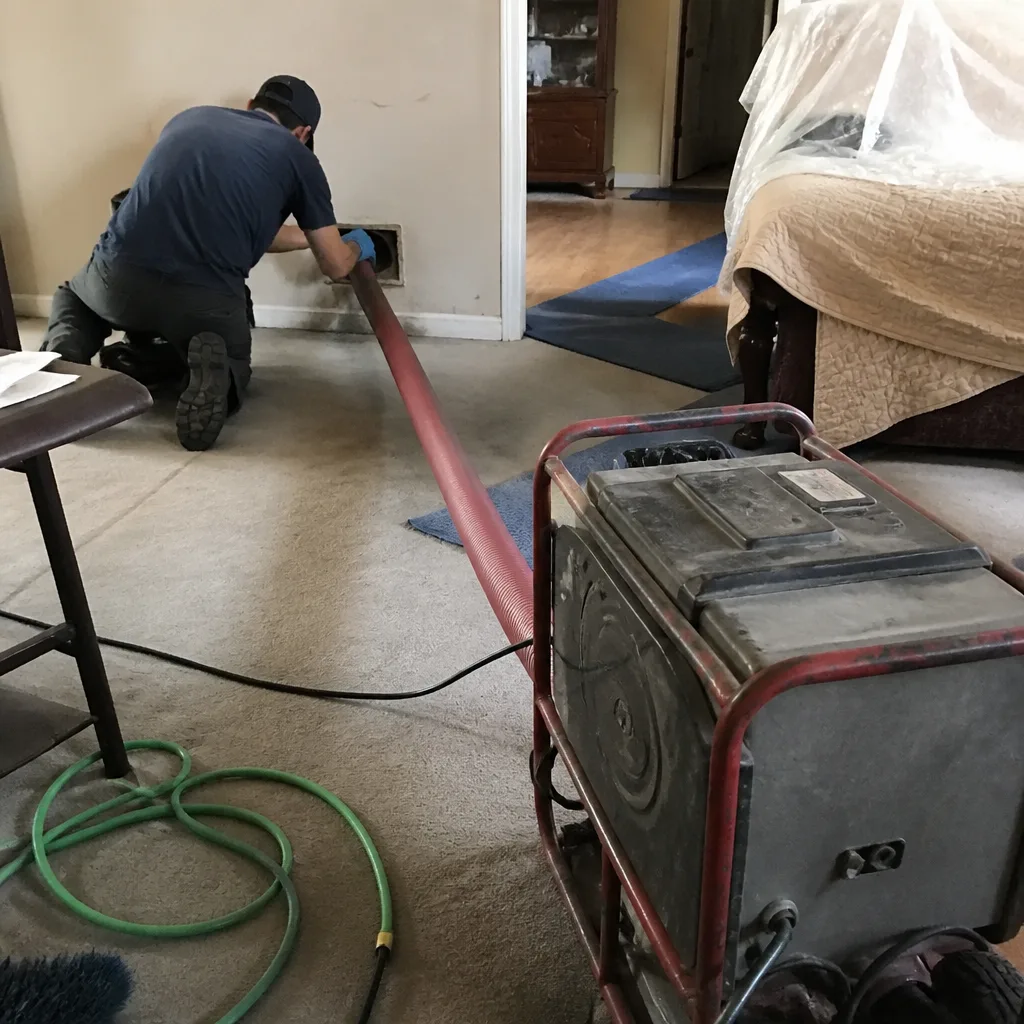
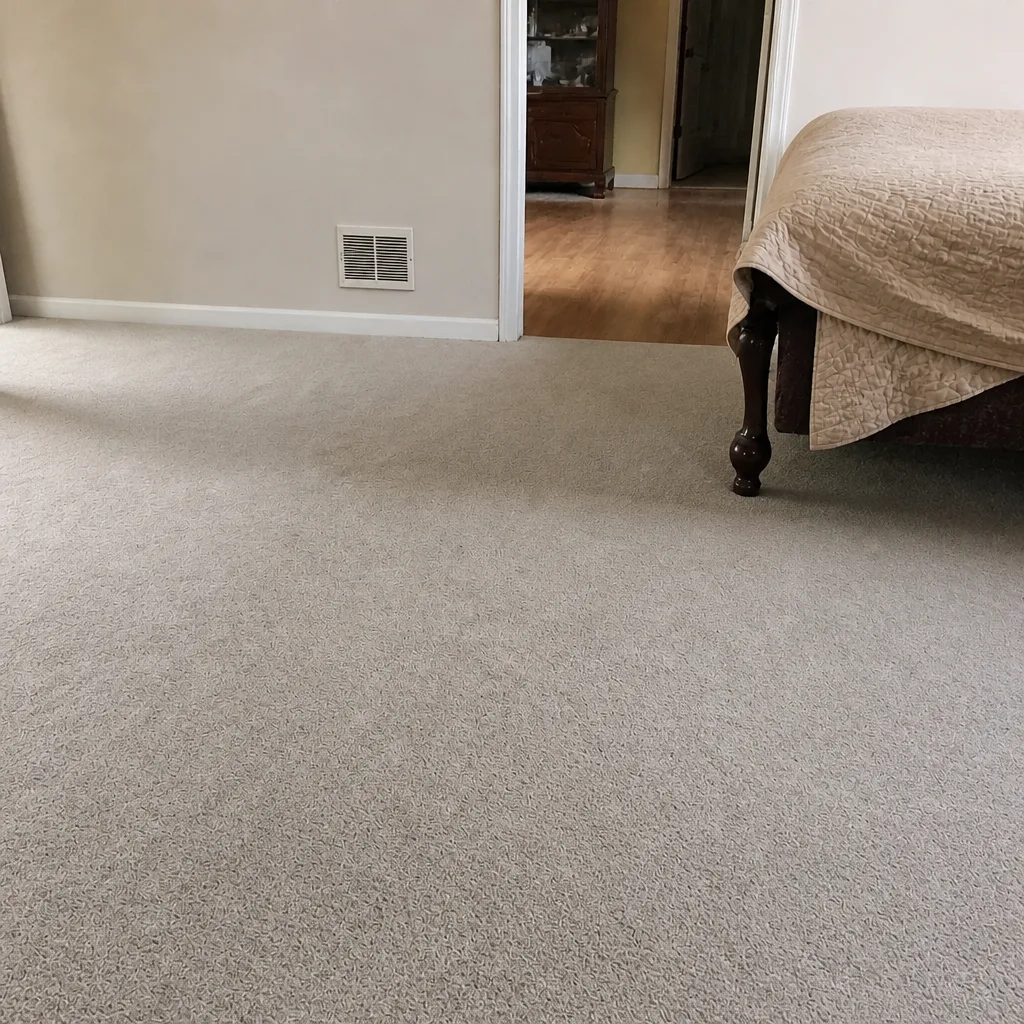
Whole-system duct and dryer vent check with before-and-after photos - you see exactly what came out of your vents
That "$99 whole-house special" is a bait ad - the real number appears once they are in your hallway, or the "clean" is a shop-vac at the register. We photograph the inside of your ducts before and after instead.
Choosing the Right Air Duct Cleaning Brand: A Buyer’s Guide for St. George
Most duct cleaning quotes look identical on paper. Two or three hundred dollars, a couple of hours, and a promise to “clean all the vents.” What separates one contractor from another is rarely on that quote – it’s the equipment sitting in the driveway. There are roughly four equipment manufacturers that serious duct cleaning contractors actually rely on, and if a company can’t tell you the brand of its vacuum collection unit or describe its airflow rating, that tells you something. This guide explains what professional equipment brands do, so you can ask informed questions in St. George and judge the answers for yourself.
Quick Answer
The right air duct cleaning brand is the one using genuine professional-grade equipment – contact cleaning systems like Rotobrush, HEPA vacuum technology like Nikro, and air filtration from Abatement Technologies – and that can explain which tool does what in your home. Ask about equipment brands, airflow ratings, and whether they clean or just vacuum. The answers reveal whether you’re getting system cleaning or surface cleaning.
Styles & brands we work with
- Whole-home duct cleaning
- Dryer vent cleaning
- Camera inspection
- Sanitizing & deodorizing
Table of Contents
- The Three Equipment Categories That Matter
- What the Major Equipment Brands Actually Do
- Truck-Mounted vs. Portable Units: Why It Matters in St. George
- How to Evaluate a Sanitizing Product Claim
- Questions to Ask Before You Book
- Why Cleaning Alone Doesn’t Fix Air Loss
- Dryer Vent Cleaning as a Fire-Safety Decision
- Red Flags in Duct Cleaning Marketing
The Three Equipment Categories That Matter
Professional duct cleaning runs on three pieces of equipment working together. When all three show up, the job is comprehensive. When only one shows up, someone is going to vacuum the visible debris near the register and call it done.
Collection units are the high-powered vacuums that pull debris out of the duct system and hold it in a sealed container. These are the backbone of the entire job. A serious unit moves hundreds to thousands of cubic feet per minute (CFM) and connects either to a truck-mounted system or a portable HEPA vacuum. Without adequate suction, agitation tools just stir dust around the house.
Agitation tools loosen debris that’s adhered to duct walls. Contact vacuuming with a rotary brush or air whip scrubs the interior surfaces, breaking material free so the collection unit can pull it away. Skip this step and you’re pulling dust off the floor of the duct but leaving the walls caked.
Inspection cameras let technicians see inside the duct before and after cleaning. This is the check that separates an honest crew from one that waves a flashlight at a register and charges you for the visit.
For a St. George home, all three are important because the region’s dust gets airborne during the windy spring months and settles into return-side ductwork. Without proper agitation and collection, that dust stays put through the cooling season.
What the Major Equipment Brands Actually Do
Equipment brand names mean nothing to a homeowner until you know what each manufacturer builds. Here’s the short version of what the names you’ll hear most often actually refer to.
Rotobrush
Rotobrush is best known for its contact cleaning systems – rotary brush heads on a flexible drive shaft that scrub the inside of the duct while a vacuum pulls debris back to the collection unit. These are the industry standard for residential duct cleaning because the brush physically contacts the duct wall, which is what “cleaning” actually means. If a company mentions Rotobrush, they’re telling you they use contact agitation, not just air.
Nikro
Nikro builds HEPA vacuum technology – high-efficiency particulate air filtration units that capture very fine particles. These show up in restoration work and in any situation where dust capture matters. When Nikro equipment is used in a home, the air leaving the vacuum is filtered to a much finer standard than a shop vac, which reduces the secondary dust cloud in your house during cleaning.
Abatement Technologies
Abatement Technologies makes air filtration and negative air machines widely used in the restoration and abatement trades. In duct cleaning, their air scrubbers provide post-cleaning filtration – running a scrubber in the room while ducts are being cleaned keeps airborne particulate down and pulls fine dust out of the ambient air afterward. If a company mentions Abatement Technologies, they’re likely running this filtration step on top of the vacuum collection.
HEPA-Aire and Other Names
HEPA-Aire is another name you’ll see floating around the commercial and restoration context – the equipment is aimed at real filtration, not the consumer-grade shop vacuum with a HEPA sticker. Ask a contractor to distinguish between a genuine HEPA-rated unit and a standard wet/dry vac, and listen for the airflow and filtration specifications. The ones who know will answer quickly.
When a technician references these names fluently – and can explain what each one does – the professional background shows. Brands get used in the trade because they work; they’re not marketing props.
Truck-Mounted vs. Portable Units: Why It Matters in St. George
Collection units come in two configurations, and the choice affects how your home is cleaned. Truck-mounted systems sit in a vehicle and reach into the house through a long hose connected to a main duct access point. Portable units roll into the home and connect to the system there.
Truck-mounted pros: higher airflow, larger debris capacity, and less equipment hauled through the house. On a long duct run, the truck pulls vacuum further into the system.
Portable pros: flexibility for homes without good outdoor access, easier for apartment-style setups, and can go room to room when needed.
In St. George, most residential neighborhoods support either setup, but older homes with tight side yards, shared driveways, or long setbacks can make a truck-mounted system harder to bring in. A company that shows up in a truck with the right hose length is prepared for a full run. A company that shows up with only a portable unit should be asked if it can maintain adequate airflow across the entire duct length.
The honest answer from a contractor: “We use truck-mount when access allows, portable when it doesn’t, and we match the setup to your home’s layout.” If a company only ever uses one configuration regardless of the home, that’s worth noting – either it doesn’t own the other equipment or it isn’t paying attention to the job.
You can also ask whether a HEPA-grade portable is used as backup for interior work. Rotobrush systems regularly combine with portable collection to keep the home’s air clean during the job.
How to Evaluate a Sanitizing Product Claim
“Antimicrobial treatment” and “sanitizing fogger” get thrown around loosely in this trade. The words mean very different things depending on which product is actually being used and whether it’s registered for the application.
EPA-registered disinfectants are the standard. An EPA registration number on the label means the product has been evaluated for its stated claims – it kills specific organisms on specific surfaces within a specified contact time. Without registration, a product can call itself “sanitizing” or “anti-microbial” but cannot legally claim it kills anything.
A generic fogger – the kind that mists the air and coats surfaces – isn’t the same as a proper application for duct liner sanitizing. Effective treatment requires:
- An EPA-registered product labeled for HVAC or duct surface use.
- Correct dilution per the label, applied at the right rate.
- Sufficient contact time on the duct liner before the system is turned back on.
- Removal of standing debris before application, since product can’t reach surfaces covered in dust.
Ask the contractor what specific product they use and whether it’s EPA-registered for duct surfaces. If they can’t name the product, that’s your answer. A technician who is authorized to work with Honeywell and Aprilaire whole-home air quality systems will typically be familiar with the sanitizing products that match those ecosystems, because the equipment and the treatment need to work together.
One honest point: sanitizing is not a substitute for physical cleaning. If the duct is still full of debris, the sanitizer is wasted money. Clean first, then treat, then run post-cleaning air filtration with an Abatement Technologies scrubber if the home has had significant buildup.
Questions to Ask Before You Book
These aren’t trick questions. They’re the questions a serious contractor expects and respects, and the answers tell you which kind of company you’re calling. In our experience, the strongest signal is not the answers themselves – it’s whether the person on the phone sounds confident or deflecting.
- What brand of collection unit do you use, and what’s its CFM rating? The airflow figure is the tell. A real unit will have one.
- Do you use contact agitation or air-only cleaning? Contact cleaning (rotary brush, contact vacuum) physically scrubs duct walls. Air-only just moves dust around.
- Do you use an inspection camera before and after? If they only inspect on the way out, that’s a red flag. Before-and-after photos of your own ducts should be standard.
- Is the vacuum HEPA-filtered? A true HEPA stage on the collection unit keeps fine particulate out of your room air. HEPA-Aire and Nikro units are aimed at this standard; shop vacs with a HEPA filter are not the same thing.
- How do you handle duct repair and sealing? If the answer is “we don’t,” that’s a significant limitation for st george homes with older flex duct that has developed leaks or collapsed runs.
- What sanitizing product do you use, and is it EPA-registered for duct surfaces? The registration matters; the label matters; the contact time matters.
- How do you price the job? One flat price per system is the honest structure. Per-vent pricing and teaser coupon prices are the setup for the classic bait-and-switch.
Ask for a written estimate that specifies each of the above. A company that won’t put its equipment and scope in writing is telling you something.
Why Cleaning Alone Doesn’t Fix Air Loss
Here’s what most duct cleaning companies don’t tell you: a duct system that’s cleaned and then left with disconnected joints, torn flex duct, or gaps at the plenum will pull dust back into the house within weeks. Cleaning removes what’s inside. Repair and sealing keep it from coming back.
In St. George, the ductwork layout in many homes runs through attics and crawl spaces where temperatures swing through the year. Flex duct can sag, kink, or pull free from a collar over time, and every gap along that run becomes a leak – blowing conditioned air into the attic and pulling attic dust into the supply. The cleaning crew that only vacuums and leaves is missing the structural cause.
A full-system approach includes:
- Inspecting joints, collars, and connections along the entire run.
- Sealing leaks with mastic or foil tape rated for HVAC use (not duct tape, which fails in heat).
- Replacing or reconnecting damaged flex duct sections.
- Verifying return-side sizing so the system isn’t straining against an under-sized return.
The difference in comfort and efficiency after repair and sealing can be noticeable, especially on St. George’s hot summer afternoons when the ductwork in an unconditioned attic is working hard to deliver cool air. If your duct cleaning quote doesn’t include a walk-through to check for leaks, ask for one. That’s part of the full air pathway, not an add-on.
Dryer Vent Cleaning as a Fire-Safety Decision
Dryer vents are a genuinely different service from air ducts, and that matters for how you hire for it. Lint buildup inside a dryer vent is one of the leading causes of residential fires. The problem isn’t a marketing hook – it’s the boring, factual reason dryer vent cleaning is a separate service and not an afterthought on a duct cleaning invoice.
What to look for in a dryer vent service:
- Dedicated rotary brush equipment designed for vent runs, not just a vacuum attachment.
- Inspection of the entire run from the dryer connection to the exterior termination point.
- Confirmation that the exterior flap opens freely and stays open when the dryer runs.
- Check for crushed or kinked flex behind the dryer, and rigid or semi-rigid pipe on longer runs where code typically requires it.
Ask when the vent was last cleaned and what equipment was used. A technician who can describe how they inspect and clean the full run (not just the first six inches) is doing the job correctly. The list is short and the checks are concrete. For St. George homes, some of the risk sits in the exterior termination – the flap can stick open or shut after a windy season, and lint accumulates in the housing behind it.
Red Flags in Duct Cleaning Marketing
Some marketing signals predict a lower-quality job. The patterns repeat across the trade.
- Coupon prices far below the labor cost of real cleaning. A crew of two doing contact agitation plus vacuuming plus camera verification takes hours. A price that doesn’t cover that labor is a bait-and-switch setup.
- Per-vent pricing. “Ten vents for X” encourages the crew to clean surfaces and leave. Flat pricing per system is honest because it lines up with the actual work.
- No equipment brand mentioned anywhere. A contractor who can’t say what vacuum they use, or won’t, isn’t operating professional gear.
- No before-and-after photos of your own ducts. “We cleaned it” isn’t proof. Photos of your system are.
- “Antimicrobial fogging” with no product named. If they can’t name the EPA-registered product, it’s not a real sanitizing step.
- Cleaning with no repair scope. A company that only cleans and never seals is telling you it addresses symptoms, not causes.
- Pressure to book “today or lose the price.” Real contractors have scheduled work. Urgency pricing usually signals a boiler-room call center.
None of these alone destroys credibility. Three or more, and it’s time to call someone else.
Common Mistakes to Avoid
- Choosing on lowest price alone. The dollar figure at the bottom of the quote doesn’t tell you what equipment shows up or how long the crew will actually be inside the ducts. Price matters, but equipment and scope matter more.
- Assuming “we clean all the vents” means system cleaning. A register-clean is not a duct-clean. Ask specifically about collection units and contact agitation – those are the tools that distinguish a system clean from a surface clean.
- Booking duct cleaning without a repair check. In St. George, older flex duct run through attics can develop serious leaks, especially after a hot summer. If no one walks the full run and checks for gaps, you’re paying for a clean that won’t last.
- Taking an antimicrobial claim at face value. “Antimicrobial fogging” without a named EPA-registered product is not sanitizing. Ask for the product and the label registration.
- Skipping dryer vent cleaning because the dryer “still works.” Dryer performance doesn’t reflect lint buildup inside the vent. A dryer can run fine right up until the vent catches fire. Clean it on its own schedule, not as a bundle.
- Believing there’s only one “big” equipment brand. Rotobrush, Nikro, Abatement Technologies, and HEPA-Aire each serve different roles. A company fluent in all four knows what each one is for and uses them where they add value.
- Trusting reviews alone without equipment context. Reviews describe the visit – not the equipment. Ask the same technical questions regardless of what the star rating says.
See the difference
 Before
 After
 Before
 After
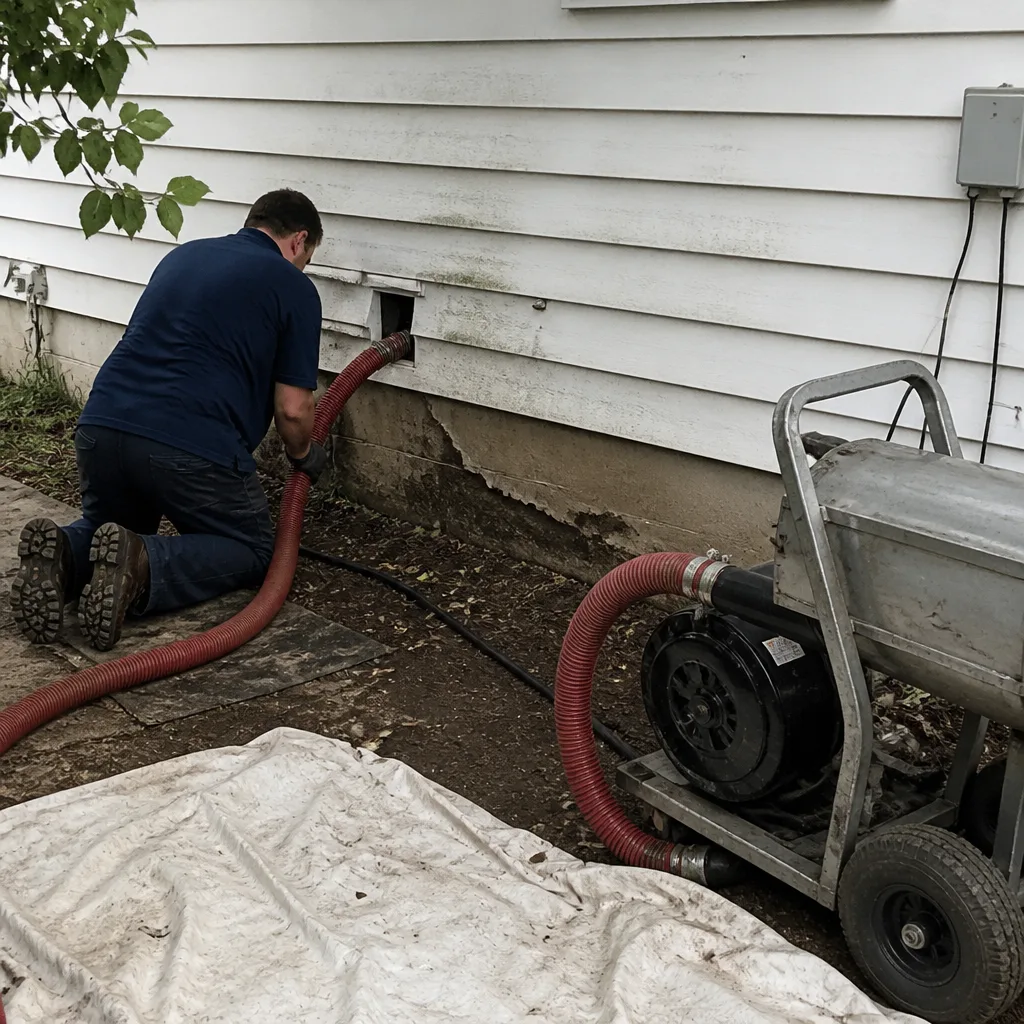 Before
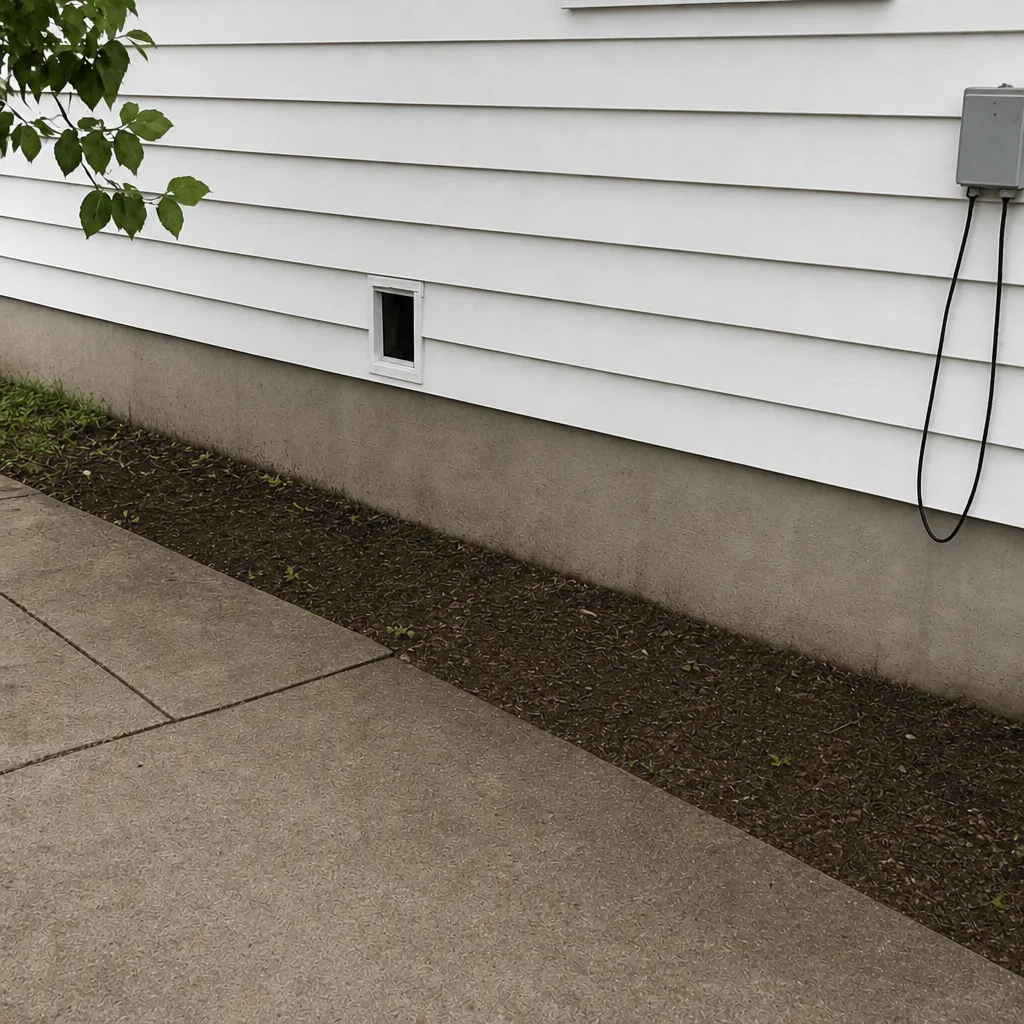 After
When to Call a Professional
Some signals point clearly to a professional visit rather than a do-it-yourself job. If you’ve moved into a home and don’t know the last time the ducts were cleaned, that’s a booking. If household members notice increased dust on furniture right after the HVAC kicks on, the supply side needs attention. Visible debris at registers, a persistent musty smell in a room that doesn’t match the rest of the house, and a dryer that takes noticeably longer to dry a load all point to systems that need professional cleaning. In St. George, homes with heavy summer cooling use and dusty spring wind exposure benefit from periodic checks – once every few years for most households, and sooner in a house with pets or occupants with respiratory sensitivities. Nobody should handle their own dryer vent cleaning beyond surface lint; the decking and lint together are a fire risk on anything but the shortest runs. St. George Air Duct Cleaning Pros offers free estimates in St. George – call (888) 848-7351. We answer 24/7. Fast dispatch from 7am to 7pm, Sunday through Friday.
Frequently Asked Questions
Professional duct cleaning contractors typically use Rotobrush contact-cleaning systems for agitation, Nikro or HEPA-Aire vacuum technology for collection, and Abatement Technologies air filtration for post-cleaning follow-up. Those names reflect an industry standard; a company that can’t name its equipment brand likely isn’t operating professional-grade gear. Call (888) 848-7351 for an exact quote – estimates are free.
Pricing varies by duct system size, but honest contractors quote one flat price per system agreed before work starts – never a per-vent rate and never a teaser coupon. Ask for a written estimate that lists the equipment used, the work scope, and whether repair and sealing are included. Call (888) 848-7351 for an exact quote – estimates are free.
A much cheaper quote usually means a smaller crew, no contact agitation, or no camera inspection – the consumer-grade vacuum-and-go job. Professional equipment and a full scope cost more because the labor and equipment actually cost more. A low teaser price is often the setup for a bigger bill once the technician is on-site. Call (888) 848-7351 for an exact quote – estimates are free.
Before-and-after photos of your own ductwork are the honest check. Camera inspection inside the system should be standard, and you should see the duct that was cleaned, not stock footage. Ask the company to show you the before-and-after images taken during the visit. Call (888) 848-7351 for an exact quote – estimates are free.
Every few years is a reasonable schedule for most households, and sooner for homes with pets, occupants with respiratory sensitivity, or a recent remodel. In St. George’s windy spring season, return-side dust accumulates faster than in many parts of the country. Call (888) 848-7351 for an exact quote – estimates are free.
Usually not, and that’s fine as long as you treat them as separate services. Dryer vent cleaning is a genuine fire-safety job and deserves its own dedicated equipment, not a quick pass with the duct vacuum. Book it on its own schedule. Call (888) 848-7351 for an exact quote – estimates are free.
No. Sanitizing treats surfaces after physical cleaning; it doesn’t remove debris. If a company offers sanitizing without a physical clean first, the product is being applied to dust and can’t work properly. Look for a named EPA-registered product applied with correct contact time.
Related Services
If you’re weighing a full-system approach, the services below cover the pieces covered in this guide. St. George Air Duct Cleaning Pros handles all five as separate scopes, which means one visit can address multiple air-pathway issues. To read up on the specific jobs, air duct cleaning covers the vacuum-and-contact-agitation process, dryer vent cleaning covers the fire-safety side, and HVAC cleaning covers the coil and blower work that keeps the whole system moving air cleanly.
What happens when you call
- 1
A real person answersNo phone trees – you reach a local pro.
- 2
You get an upfront price rangeHonest numbers before anyone is dispatched.
- 3
A background-checked tech heads outLicensed & insured, dispatched right away.
- 4
You approve before work beginsNothing starts until you say go.
The Bottom Line
Choosing the right air duct cleaning brand in St. George comes down to what shows up at your door. Ask about equipment brands – Rotobrush, Nikro, Abatement Technologies, HEPA-Aire – and listen for the fluency that only comes with real trade experience. Insist on one flat price per system in writing, contact agitation rather than air-only cleaning, before-and-after photos of your own ducts, and a repair-and-sealing walk-through as part of the scope. Dryer vents deserve their own dedicated service, and sanitizing is a genuine step only when the product is named and EPA-registered. Our technicians have up to 11 years of experience across the full air pathway, and we can pair cleaning with Honeywell and Aprilaire air quality systems when a home needs more than one visit can solve. Ask the questions. The right company will answer them straight.
Ready to book a walk-through? Call (888) 848-7351 for a free estimate. We answer 24/7. Fast dispatch from 7am to 7pm, Sunday through Friday.
Written by the team at St. George Air Duct Cleaning Pros.